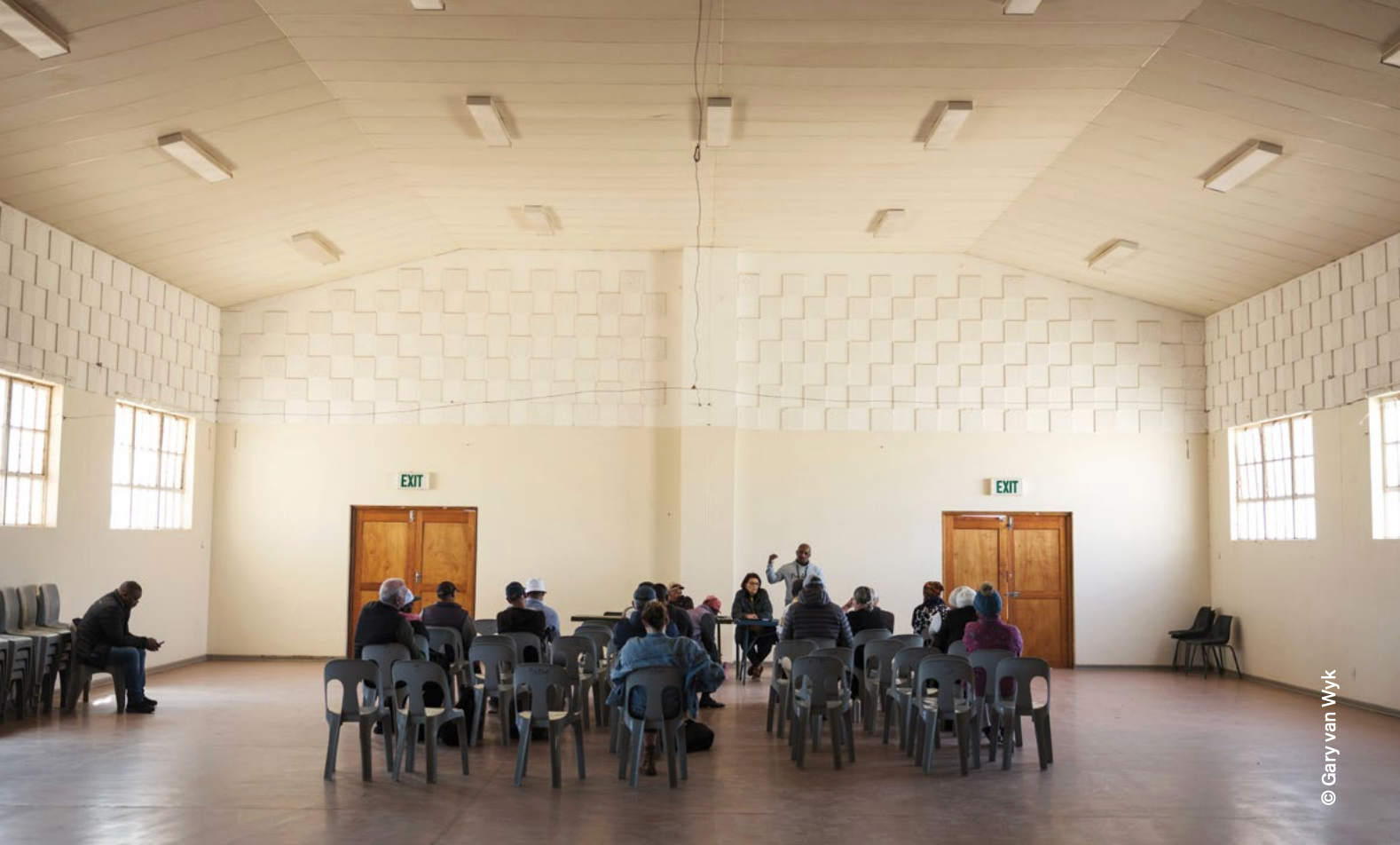
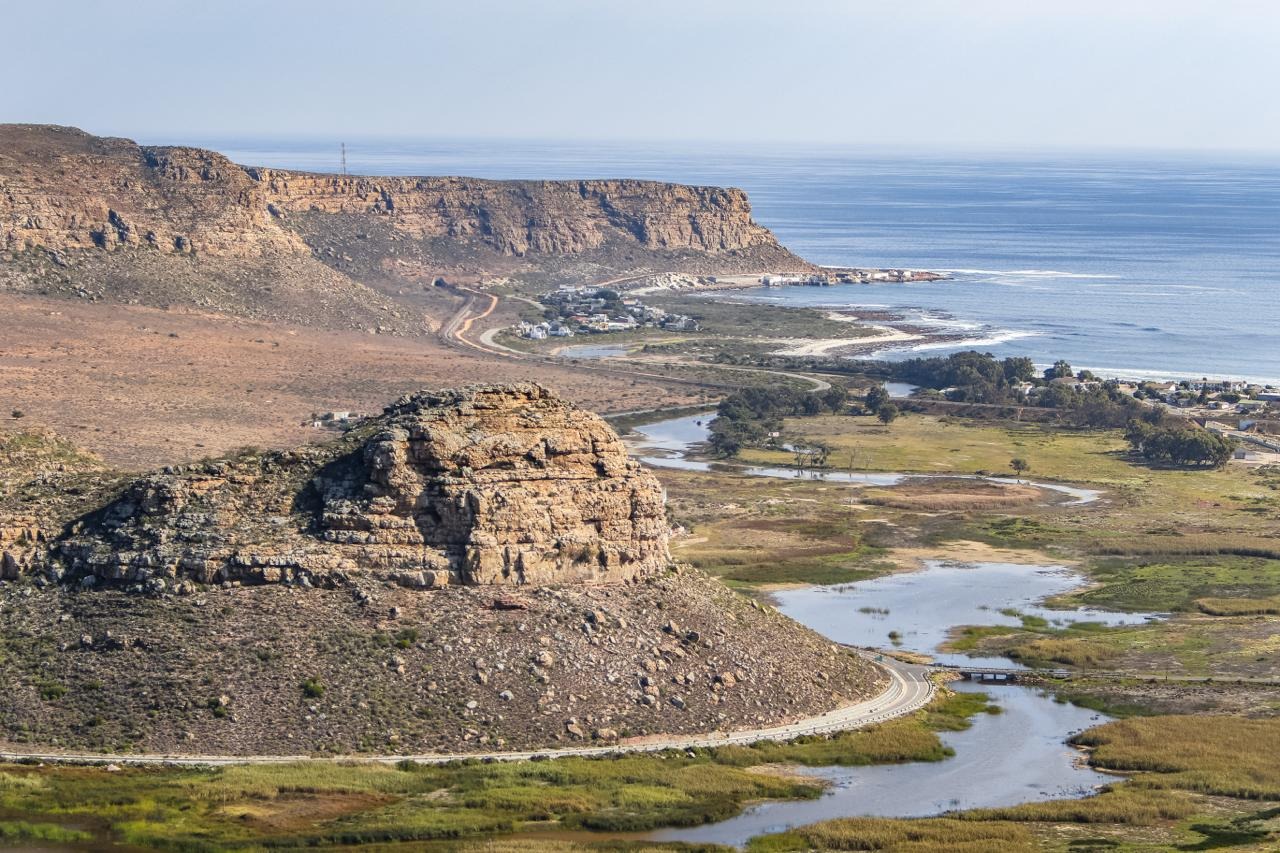
The application in question is 72km north of Vanrhynsdorp and about 80km from the coast in the Matzikama Local District (DMR Ref: WC 30/5/1/1/2/10466 PR). A public participation meeting will be held on August 20 in the nearby town of Kliprand and public comments are open until September 3 (see below).
According to the applicant’s Basic Assessment Report (BAR), the prospecting activities will take place over three years. 35 TNW (75 mm diameter) diamond core drill holes are planned to be drilled in the prospecting area, one hole drilled at a time and then rehabilitated, at an average drill depth of 110 metres (m). No excavations are required except for the sump (normally 1m2 and 0.5m deep).
On completion the holes will be rehabilitated by sealing them with a cement plug 1m below the surface. More diamond core drill holes might be drilled depending on results. Contractor yards and campsites will be rehabilitated once they are vacated.
Again, as with all prospecting, the impacts may not be significant, but could lead to full-blown mining. The immediate issue is that this prospecting would even be permitted in such a highly sensitive zone that might support floral and faunal Species of Conservation Concern (SCC).

Many Interested and Affected Parties (I&APs), who registered during the initial round of PPP – mostly local farmers, farmer organisations, community members, several academics and others – have voiced their concerns. In particular, they are worried about its effect on local livestock farming and the surrounding environment, especially as the site falls within the Succulent Karoo biome – the only arid-zone biodiversity hotspot in the world.
According to Unesco: “The Succulent Karoo biome is an internationally recognized biodiversity hotspot… The 116 000 km2 biome extends from the southwest through the northwestern areas of South Africa and into southern Namibia. The biome is home to 6 356 plant species, 40% of which are endemic and 936 (17%) of which are listed in the Red Data Book. In addition to its floral diversity, 27 amphibian species, 29% of which are endemic; 121 reptile species, 20% of which are endemic; 68 mammal species, 9% of which are endemic; and 431 bird species.”

The proposed prospecting site also contains an existing monazite mine in the same area, which has been closed, but is due to reopen soon – and has prompted concerns about the burden of mining in the region on groundwater resources, potential contamination to these resources and damage to underground aquifers by drilling.
Local opposition to this prospecting application is strong – but mining companies keep applying and the government keeps on giving them permission.
Once again, when is enough, enough?
PTWC urges you to join us in commenting on and objecting to this application.
Public comments on this application must be submitted by September 3.
Anyone may view and comment on these documents, available here.
Should you decide to comment on this prospecting application please provide a copy of your letter of comment to Zyntha Consulting via the electronic mail address, admin@zyntha.co.za and include the DMR reference number, WC 30/5/1/1/2/10466 PR in your correspondence.
Public Participation Meeting:
Date – 20/08/2024
Time – 10am
Venue – NG Church, Kliprand
Though the documentation contends you must RSVP by 16/08/2024 to admin@zyntha.co.za or call 087 149 1674, as PTWC understands it, these meetings are open to everyone, so be there if you can and add your voice.