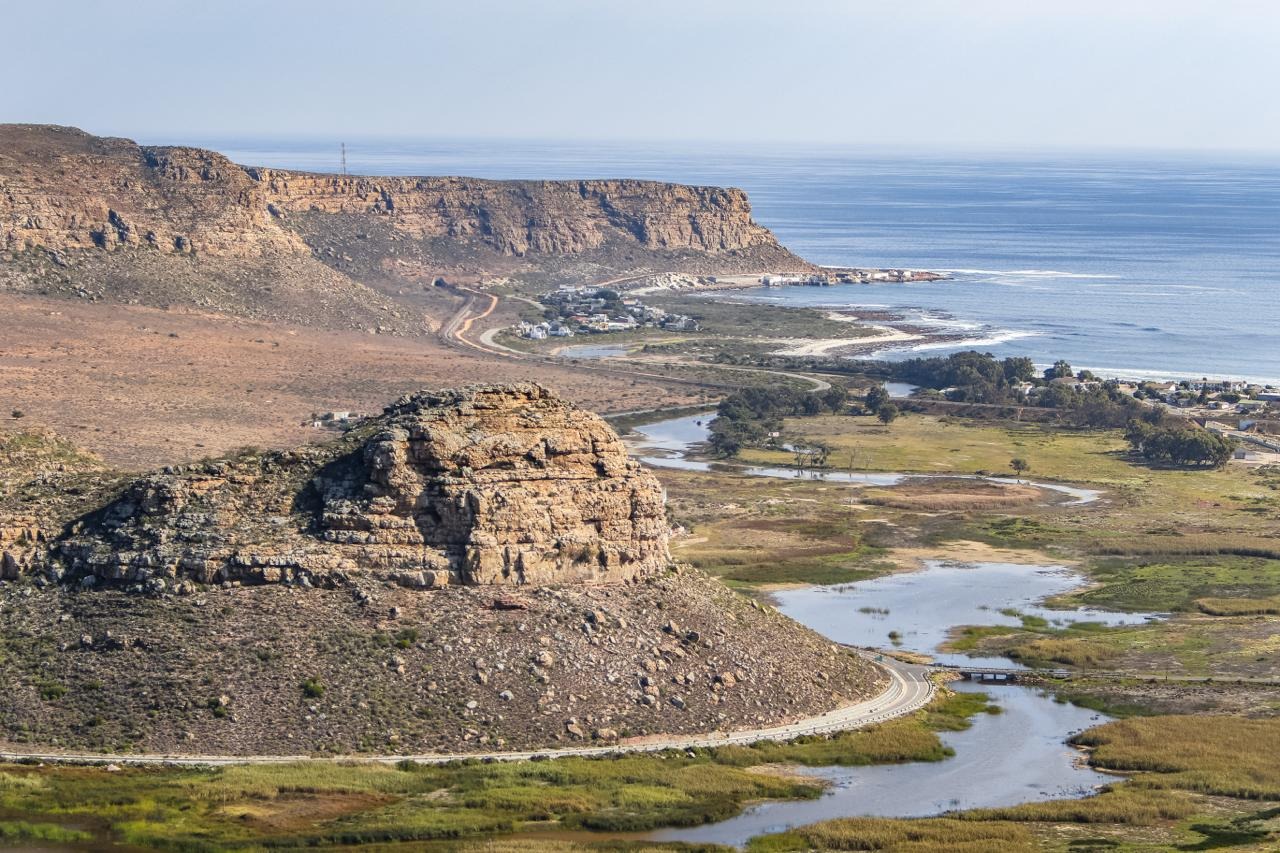
When Cape Town lensman Gary Van Wyk drove up the West Coast as part of the film crew shooting the documentary ‘Out of Mined’, he recoiled in shock at the mining devastation he saw.
“I don’t know how to describe it. The land looked like there had been explosions, like a bomb was dropped in that spot and the damage was left behind,” he said.
As one of South Africa’s foremost portrait photographers (see his website), Gary had been looking forward to connecting with indigenous culture in the Richtersveld as part of a two-year cinematic collaboration between PTWC and Arthur Neumeier of Eyeforce.
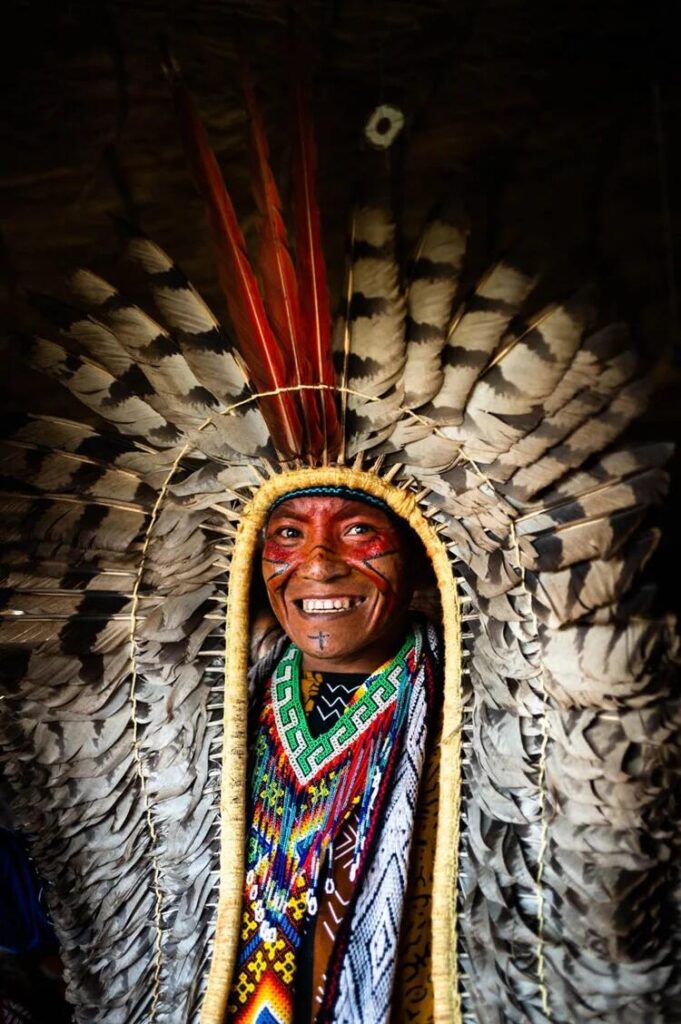
Known for his profound images of members of the Huni Kuin tribe of the Amazon jungle, who have adopted this former kid from the Cape Flats as their unofficial photographer, Gary was itching to capture the heart of the communities in a completely contrasting landscape – moving from the humid closeness of jungle green to the vast brownscape of an arid land.
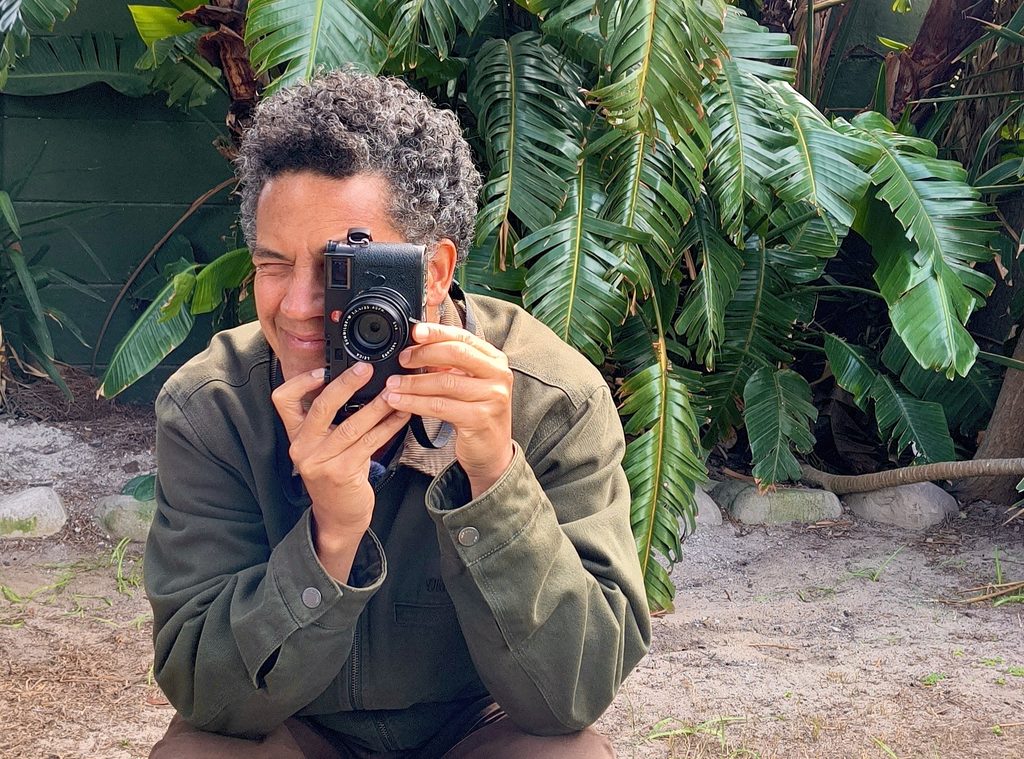
He brought a specific skill to the project – honed in the hurly burly of news photography at the Cape Argus newspaper. Nothing like that experience to teach you the harsh lessons of deadline pressure, and sensitivity to your subject.
As a young student in his early twenties, this five-year learning curve with journalists and other lensmen of the time threw him at events around the city, often dealing with the trauma of people subjected to natural disasters, crime, and conflict of varying degrees of intensity and stress.
Personal emotions, with their predilection for avoidance and deflection, have no place in such work: “You cannot think about yourself.” explained Gary “You need to get the picture, and you’re shooting with a roll of old school film. So on all levels, you have to be quick on your feet.”
But above all, he learned, it was the relationship between the photographer and subject that ultimately defined the quality of the result. An example he recounted was of a mother who had lost a child to kidnapping. There was only one way to learn how to enter that space – and it entailed a quiet, non-threatening approach.
“Fortunately, partly from a childhood brought up with a house full of uncles and aunts in Lansdowne, I’ve always loved people. I’m a people’s person – so that transition into care for your subject was complementary to my personality.”
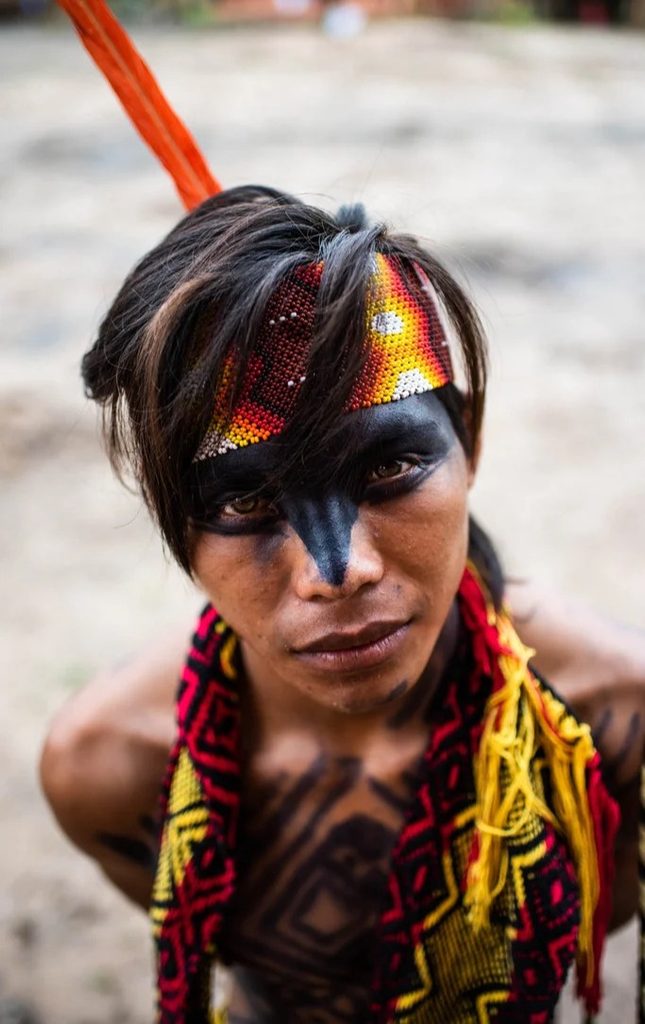

It was this skill, based on a composite of his experience, that enabled such richly rewarding images to come alive from a Joseph Conrad-esque river trip deep into the Amazon, and why he became an indispensable part of the Eyeforce team that made multiple trips up the West Coast to shoot ‘Out of Mined’.
Travelling with him on several of these trips, it was plain to see his uncanny ability at peeling back the indifference and distrust of people they came into contact with, and who ultimately acquiesced to requests for interviews for ‘Out of Mined’.
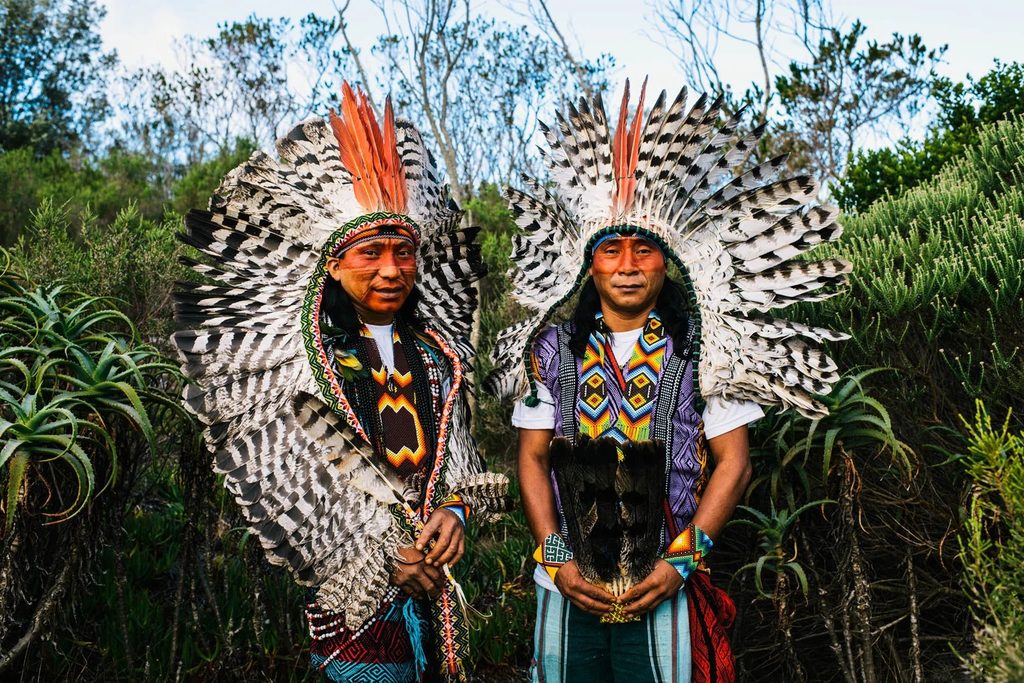
The ability to use empathetic intelligence to break invisible barriers has been honed over the lifespan of a project that started in 2018, when Gary was invited to photograph a group of visiting Amazon shamans, or pajés, from the Huni Kuin.
People of the Huni Kuin in Brazil dwell on the furthest boundary of the deep forest – a mysterious zone four days travel away along the Humaita River – the last place before tribes become “uncontactable”.
As you can see from his work with these spiritual leaders and healers, which grows at each arranged gathering from Tanzania to South Africa to the Amazon itself, Gary is well liked, if not revered. Like them, I imagine, perhaps his soul resonates with the requisite quietness needed to free solo in the spiritual realm, where the last guardians of ancient plant knowledge roam.
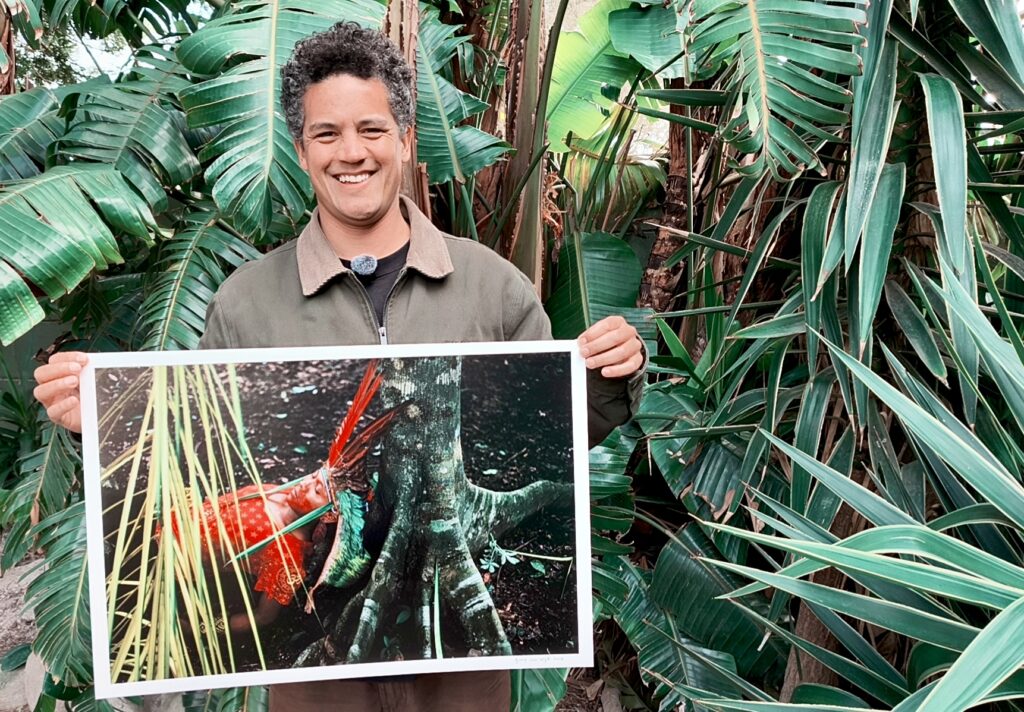
“I show my vulnerability to them and I allow them to decide whether they want to do the same. To be photographed is vulnerable. It’s a sensitive space. I never force anyone, but I share a bit about myself, and I let the person decide,” he said.
In Gary’s experience while working in the Amazon, when the rapport with the subject began to flow, the surroundings followed suit, and nature started to collaborate, literally.
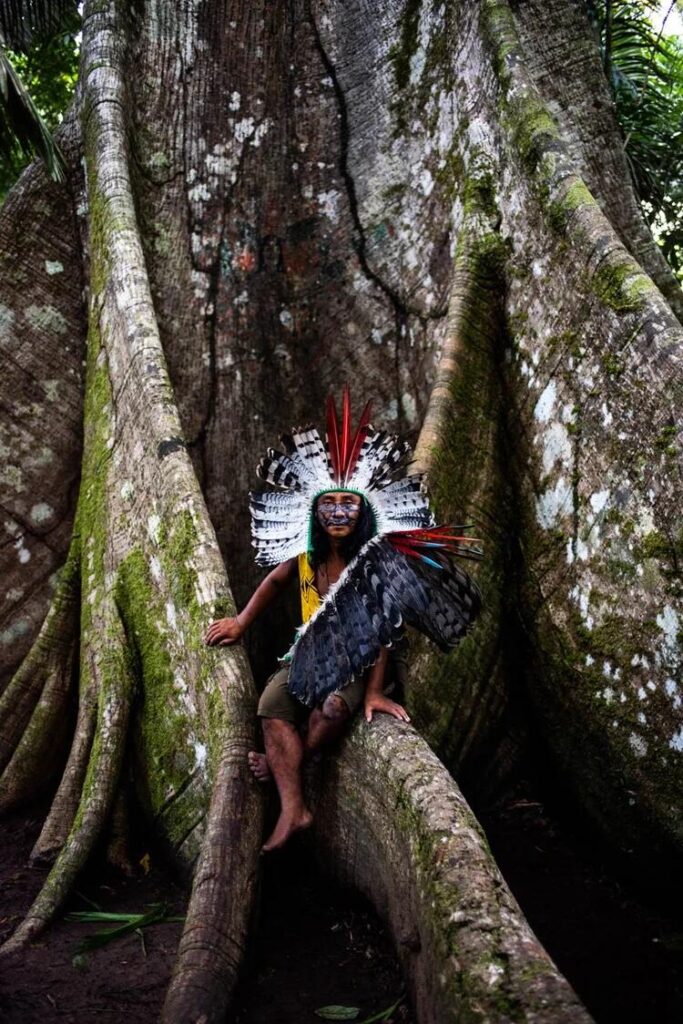
It helps to have the spiritual leader of an entire community sitting before you bedecked in myriad feathers and encased in a huge forest tree, but, he added: “When you’re photographing people like that, nature seems to work with you. The light falls in a certain way. The backdrop suddenly appears. I didn’t direct them much – they decided where to stand and everything just flowed.”
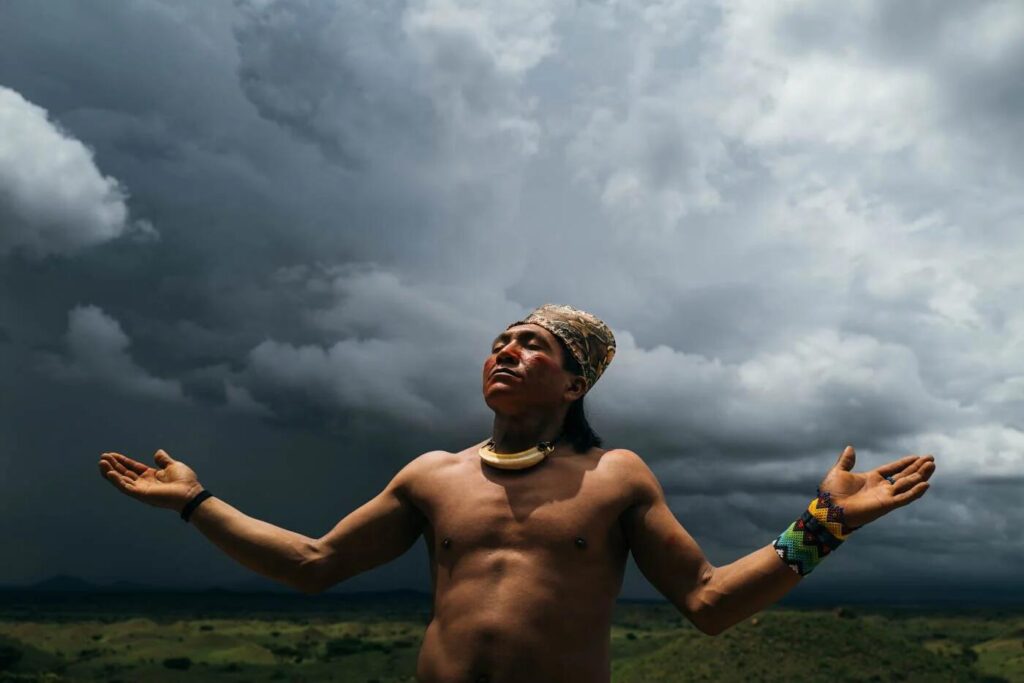
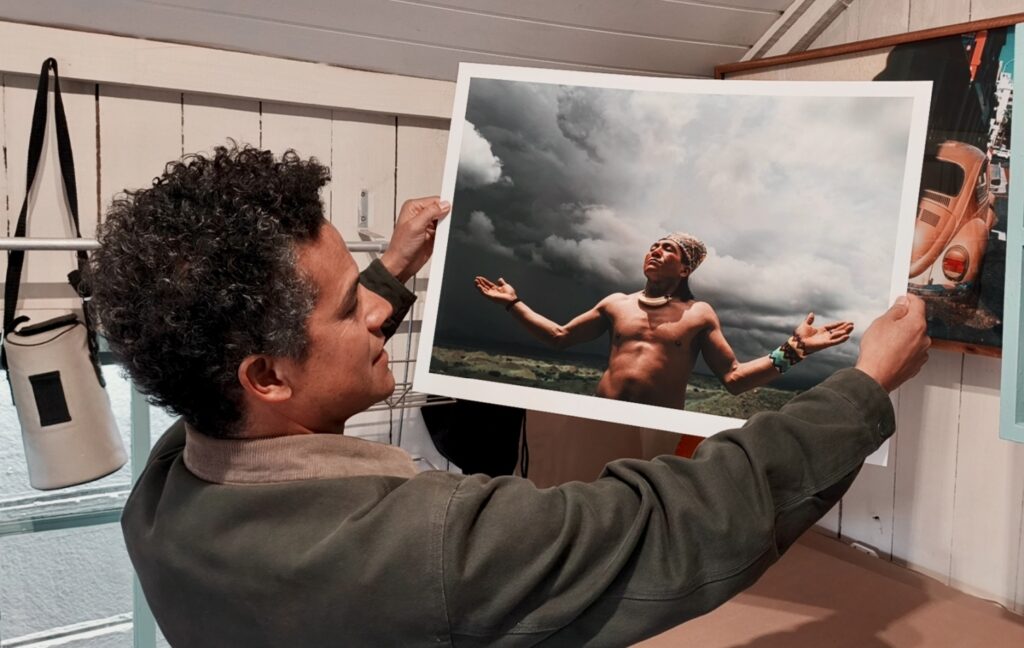
And so it was with Gary’s imagery from our trips to the Richtersveld – more pictorial evidence of a similar flow, but he had to get over the initial shock, and accept the pain endured by this community after many decades of degradation and lies. But like the rainforests, there are still places that are pristine, and there is hope of restoration.
“What shocked me at first was that the people with a connection to the land were blocked from it because it’s being used for diamond mining. You feel this rift between the people and the land that they are so rooted to.
“People lose a piece of the spiritual soul – and most importantly, a connection to the ancestors. So they have to find new ways to live, if not in the original way. However, the new way offers little to no support.
“The mines bring in outside people. The local people are not supported, not by work, nor by schools and hospitals and the infrastructure required to live a good life,” he said.
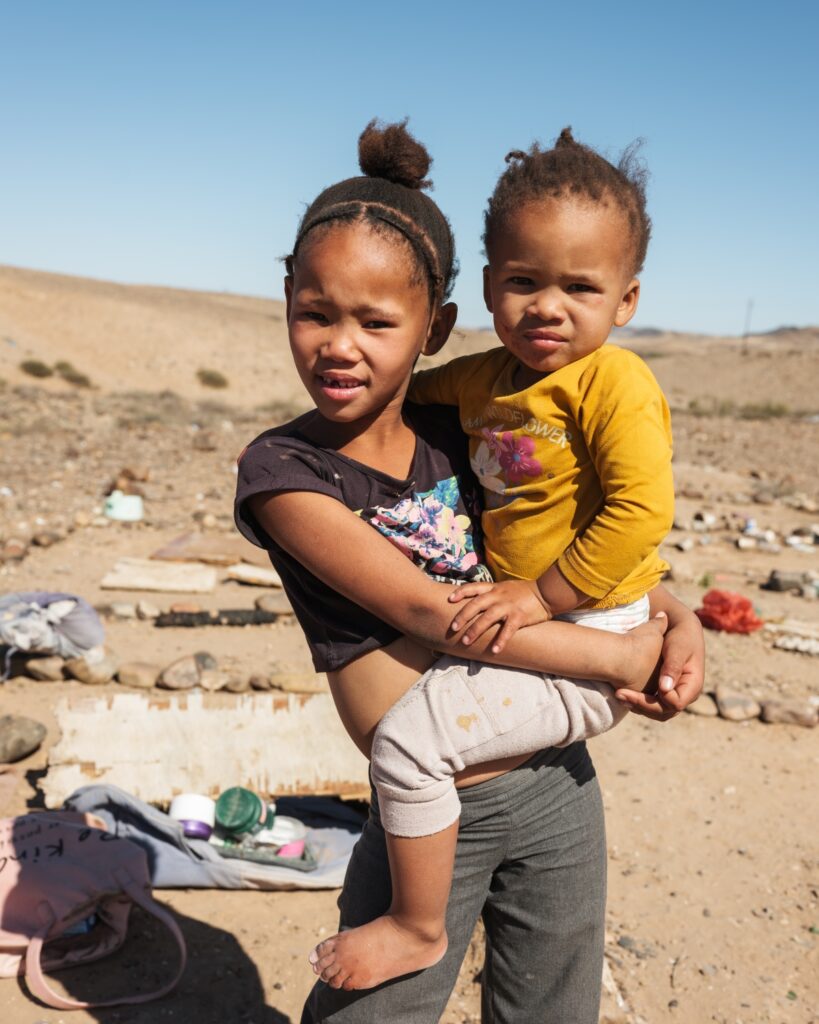
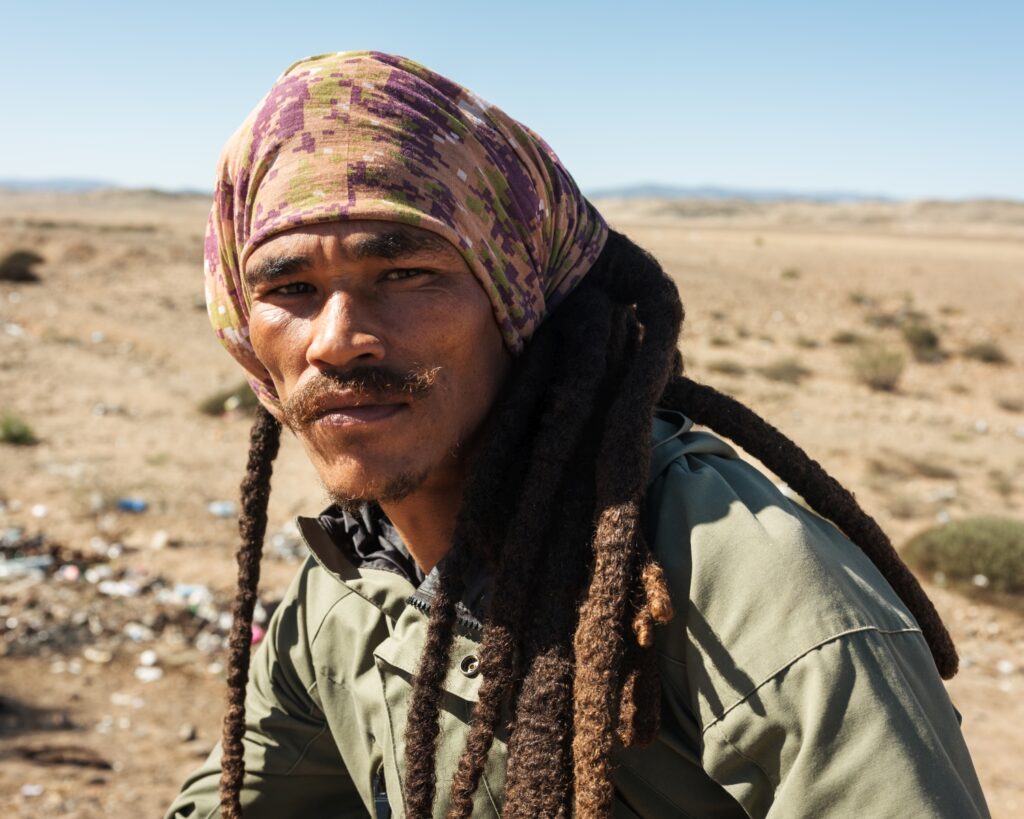
But the saving grace was that through the many people that Gary met, he found the Nama people to be “amazing, incredible people who have suffered such hardships” and yet possessed an ancient, indomitable spirit “even with all that hurt”.
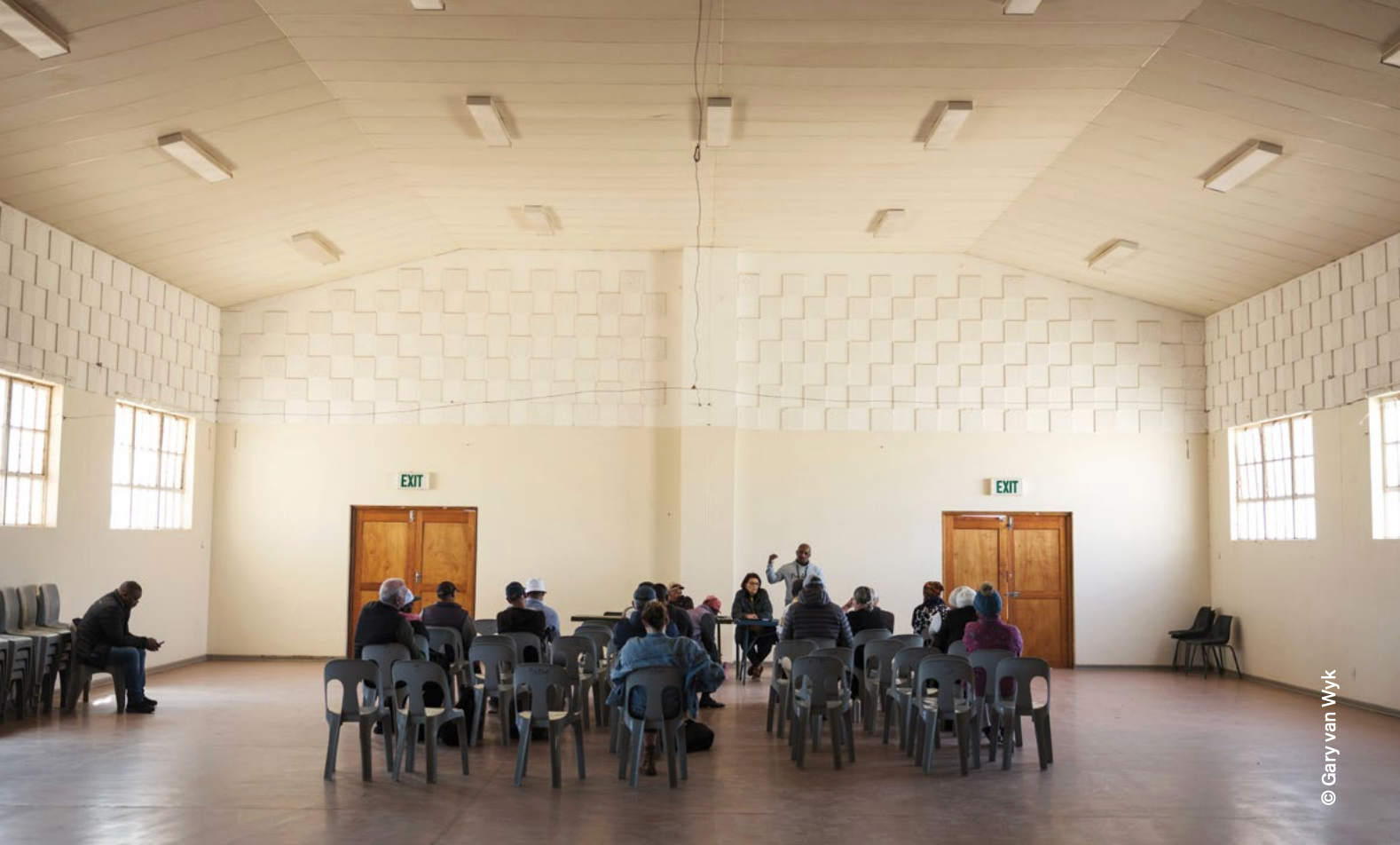
Because he speaks Afrikaans, and due to his friendly, gentle demeanour, Gary ran a couple of interviews with community members used in the film.
Apart from the behind the scenes influence that you do not obviously see in ‘Out of Mined’, there is ample pictorial evidence of his portraiture technique.
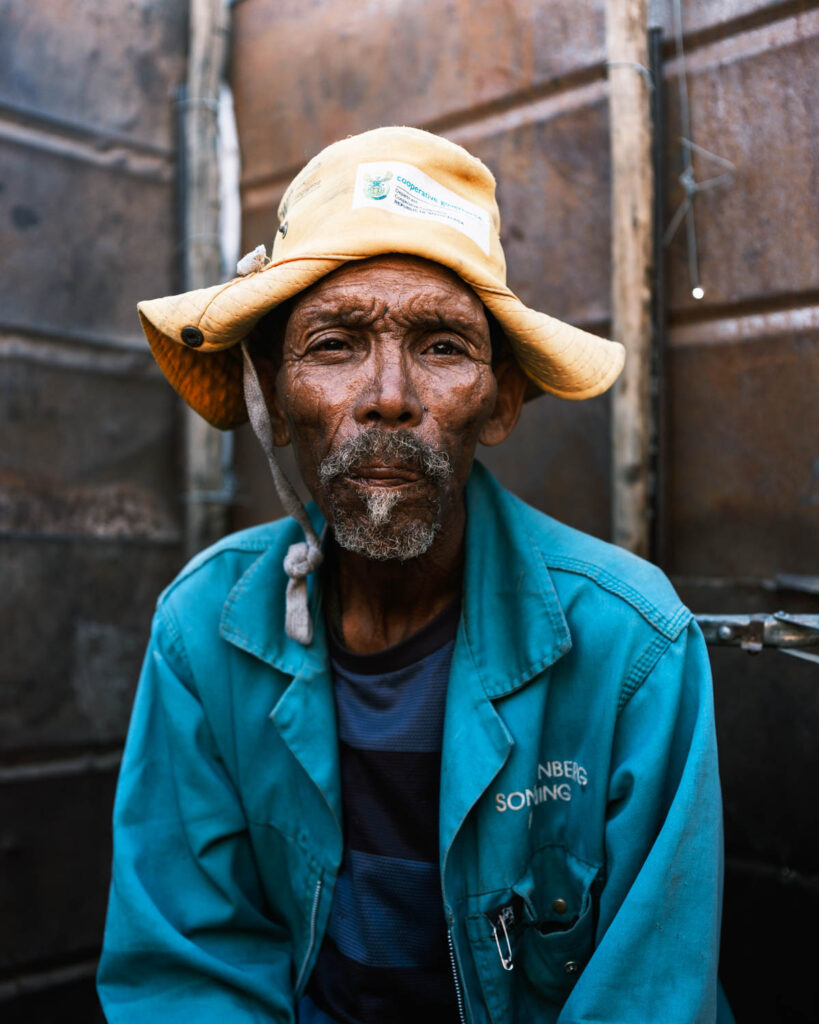
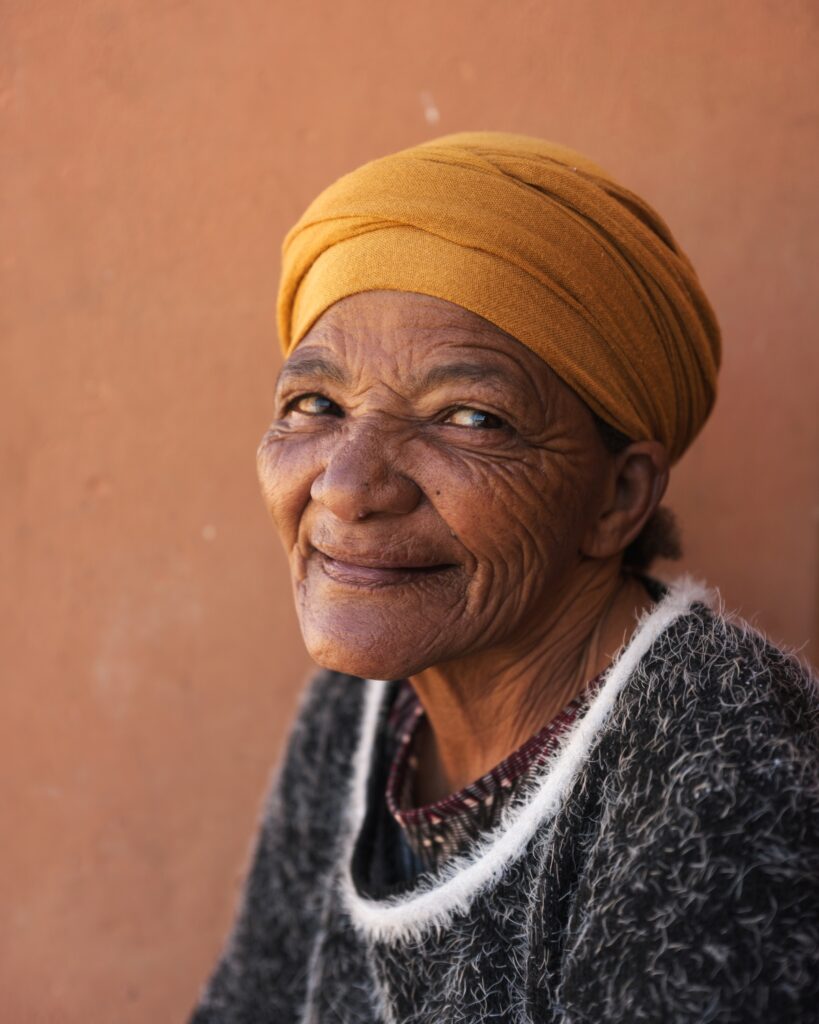
In these photographs, with hints of it in the film, you see the deep sorrow and pain they bear, and to which Gary speaks, which is why the film is such an important record of the mining catastrophe along the West Coast, and in particular the Richtersveld.
But those deep etched lines also depict a face that bears a certain ancestral pride. It looks like ancient stoicism transcending the mild brutality of this momentary burst of earthly life.

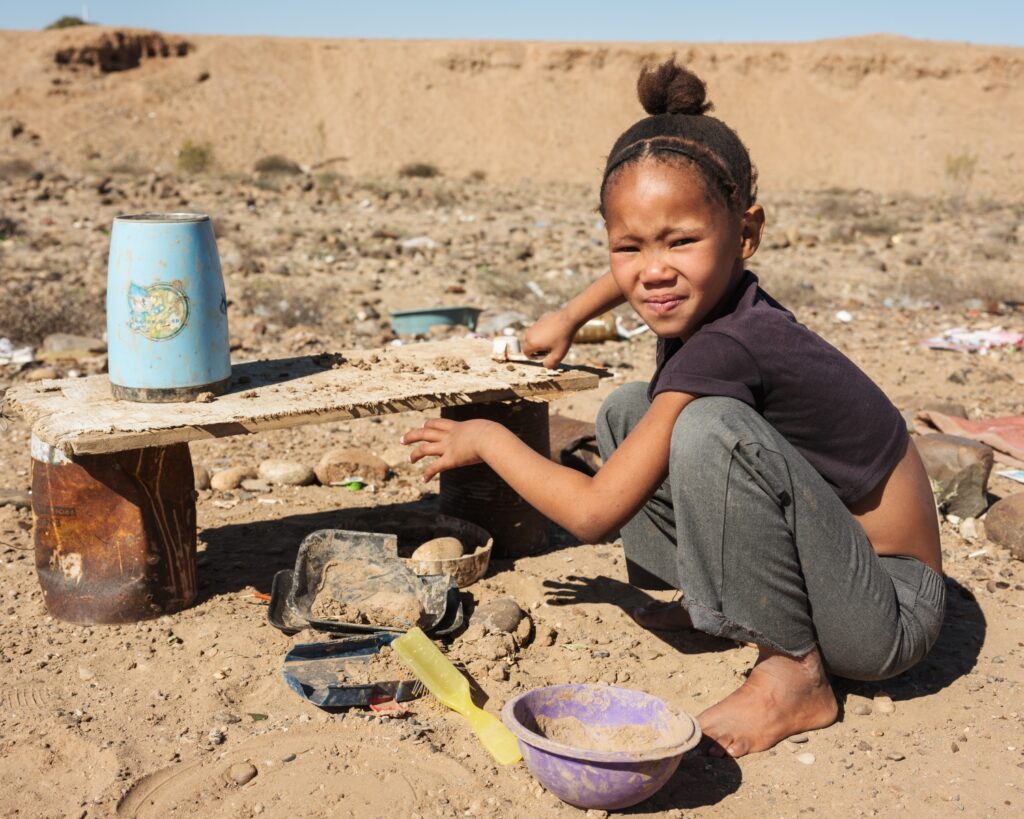
Follow Gary’s work via his website and social media channels.
Website: https://www.garyvanwykphotography.com/
Instagram: https://www.instagram.com/garyvanwykphotography/
If you would like to screen ‘Out of Mined’, PTWC’s award-winning documentary on mining on the West Coast in your community, please email outofmined@protectthewestcoast.org