By Rona Van Der Merwe.

Local activists and concerned residents have teamed up with PTWC to teach primary school learners about the wonders of the coastal environment.
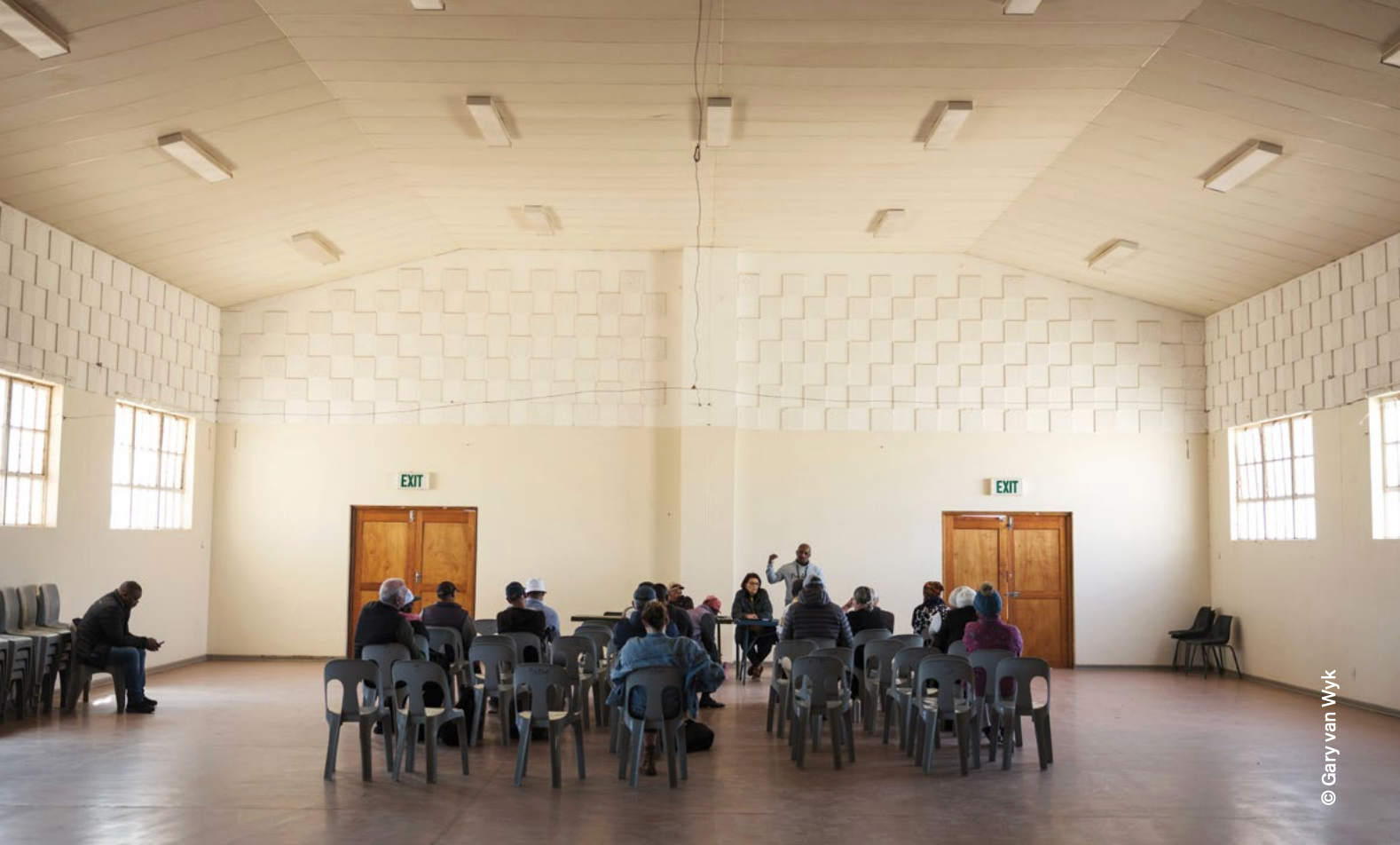
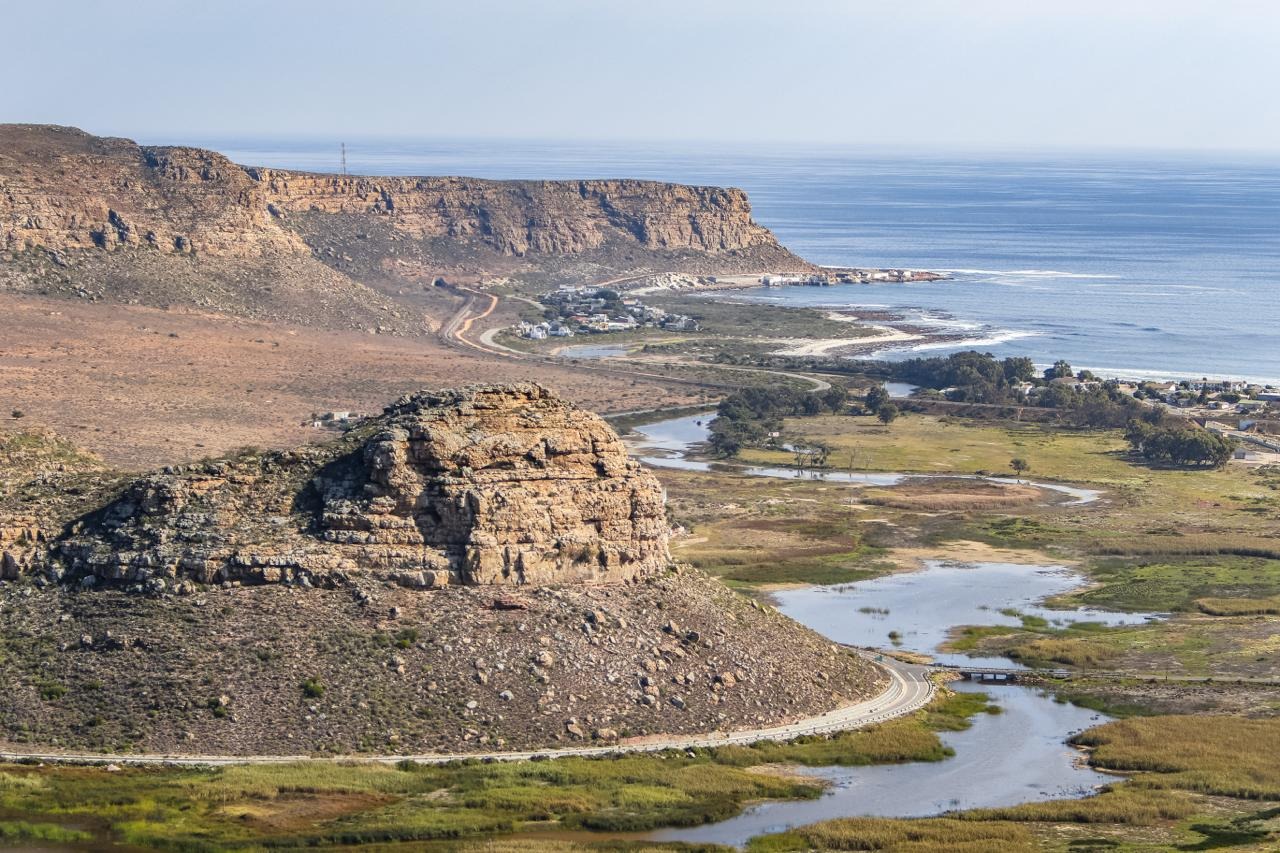
A year ago, the small fishing town of Doringbaai, about 300km up the West Coast from Cape Town, went into a panic when local diamond mining contractors for Moonstone Diamonds began to excavate a public beach adjacent to the town, destroying the landscape and denying locals access to a favourite walking and surfing area.
The community and municipality had received no warning, and had to scratch heads to determine what was going on. As our court battle continues a year later to prove this mining was illegal, the contractors and Moonstone Diamonds have packed up and moved north to less inhabited areas. What remains at Doringbaai is an unrehabilitated and mangled landscape with no benefit or compensation for the small community.

Moonstone’s mining site just outside of Doringbaai. Image – Sacha Specker.
This blatant disregard for the land and the community has led to a call by locals to actively protect and support what is theirs to lose. As a strategy to help under-resourced communities gain a more sustainable future, local activists identified Doringbaai Primary School as a valuable partner and possible driver for change.
With guidance from local partners PTWC has met with the principal, David Fredericks to learn more. A mere pebble’s throw from the ocean, the beautiful (and only) school in Doringbaai welcomes 160 pupils up to Grade 7. With a rugby field overlooking the ocean, the school seems to offer an idyllic rural lifestyle protected from the influences and dangers of city life. However, as with most public schools in South Africa, resources are short and opportunities few for learners to grow and evolve.
We believe that we can support the community and school through creating opportunities and a holding space that allow children to connect and reconnect with nature and the environment on a physical, emotional and spiritual level.
On Friday 5 May, we visited the Grade 6 and 7 class for a fun interactive chat and presentation – to think nature and ocean. We shared thoughts about the importance and wonders of our oceans, our biological relationship with water and how life began in the oceans as well as our interconnectedness with all life. We ended the school day with a short Planet Earth screening, highlighting our Atlantic coast and wonderful kelp forests.
To grow this project and make more of an impact, and if you share an interest in environmental education, please consider supporting this project. Contact us at getinvoved@protectthewestcoast.org. Your valuable funds will be used to facilitate excursions, enabling West Coast children to experience and immerse themselves in the natural wonders around their home. You can donate here: https://www.protectthewestcoast.org/donate
We are grateful to our local partners and Mr Fredericks, who all share our enthusiasm as we take on this project together, in sensitive and compassionate service to the community.