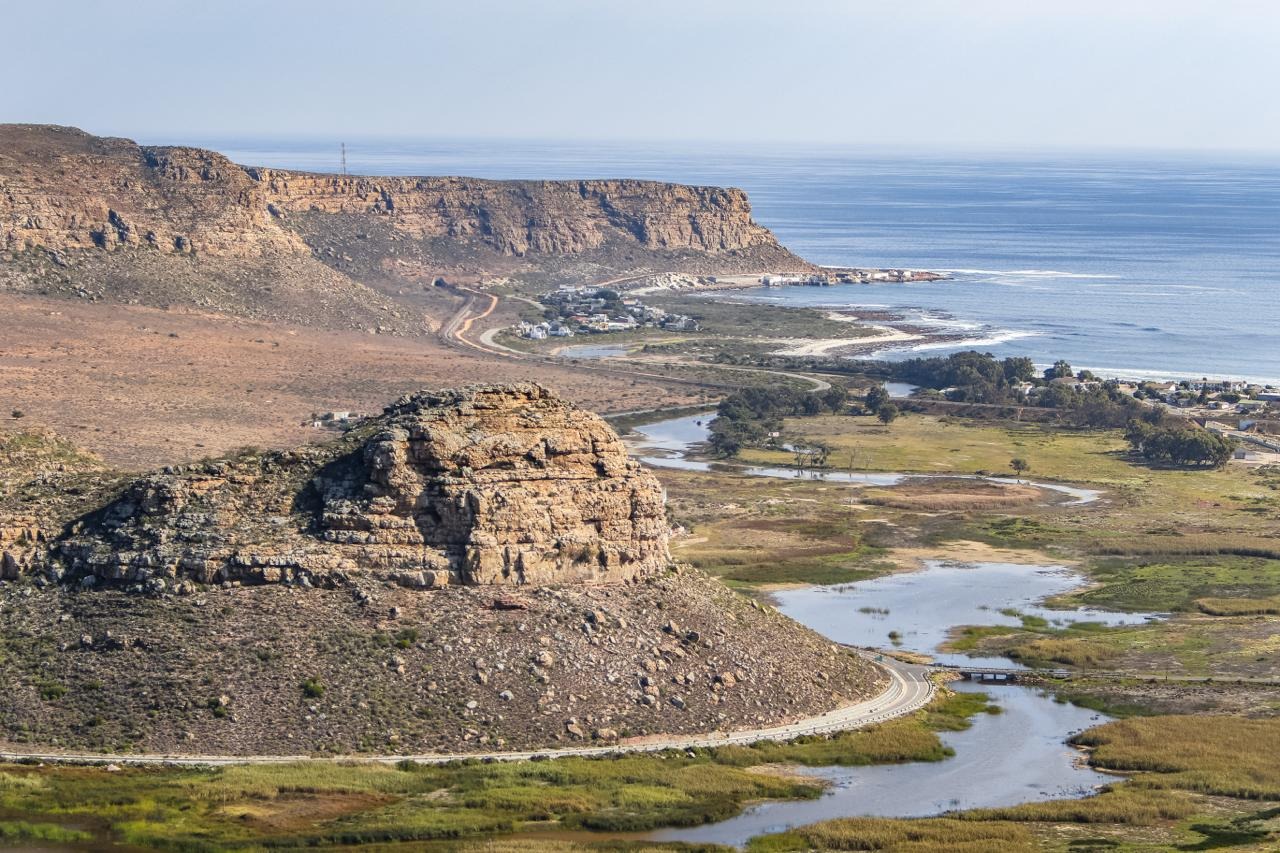
The West Coast of South Africa has a cool-temperate climate, where hot, dry summers contrast with mild, wet winters. The region is characterised by the Fynbos Biome, which gradually transitions into the more arid succulent Karoo Biome in the Northern Cape, where rainfall is lower and the region is more reliant on moisture from coastal fogs.
The region falls under the Benguela Marine Ecosystem – a productive, biodiverse system shaped by dynamic interaction between the terrestrial and marine environment. This biodiversity is largely sustained by the cold, north-flowing Benguela Current, one of five wind-driven upwelling systems on the planet.1
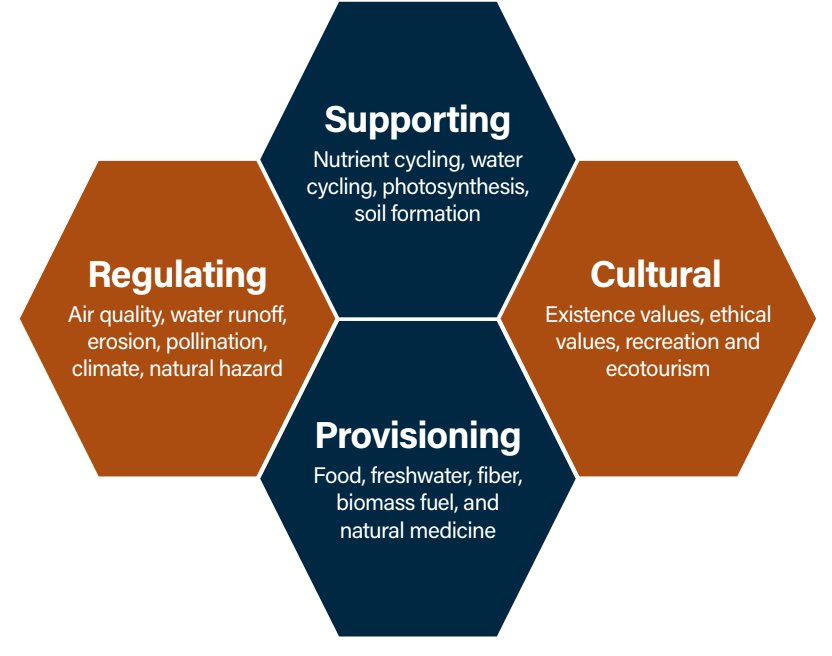
As a result, the region is world renowned for beautiful landscapes and unique species of fauna and flora, characterised by a high level of endemism. In the West Coast National Park and Namaqua National Park alone, there are almost 4,000 plant species, of which almost a third are endemic.
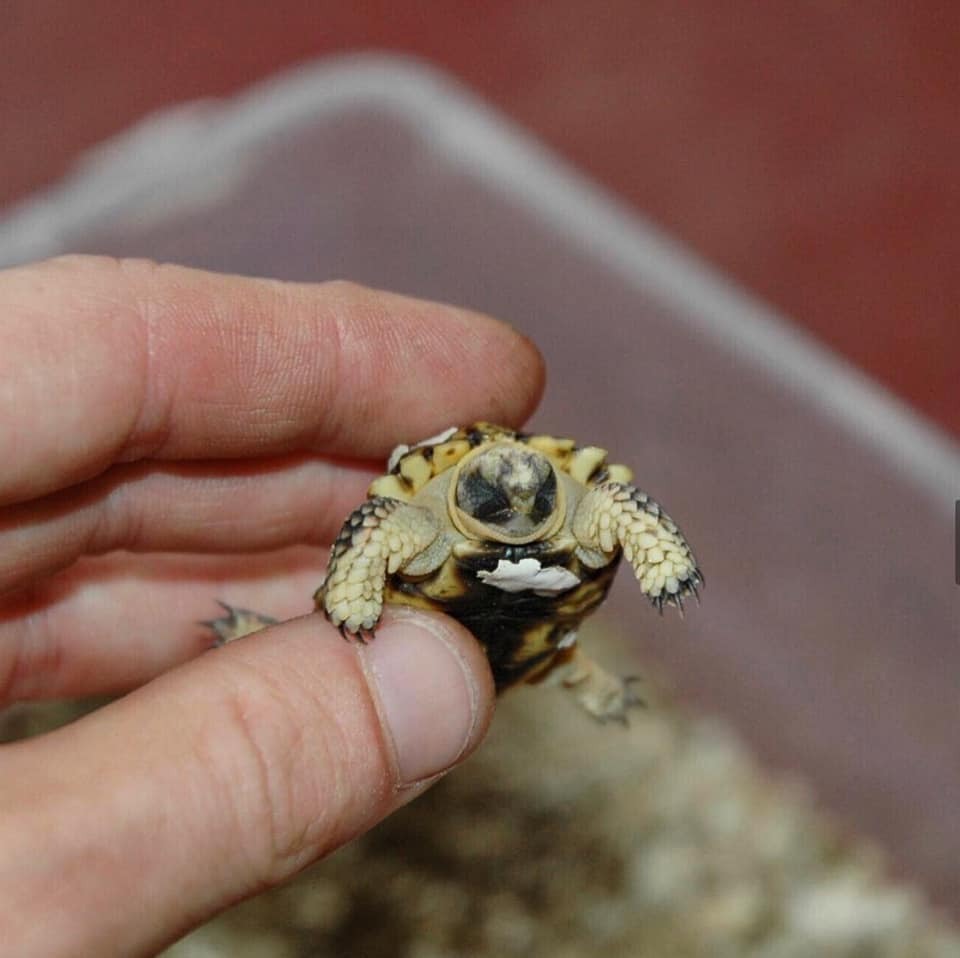
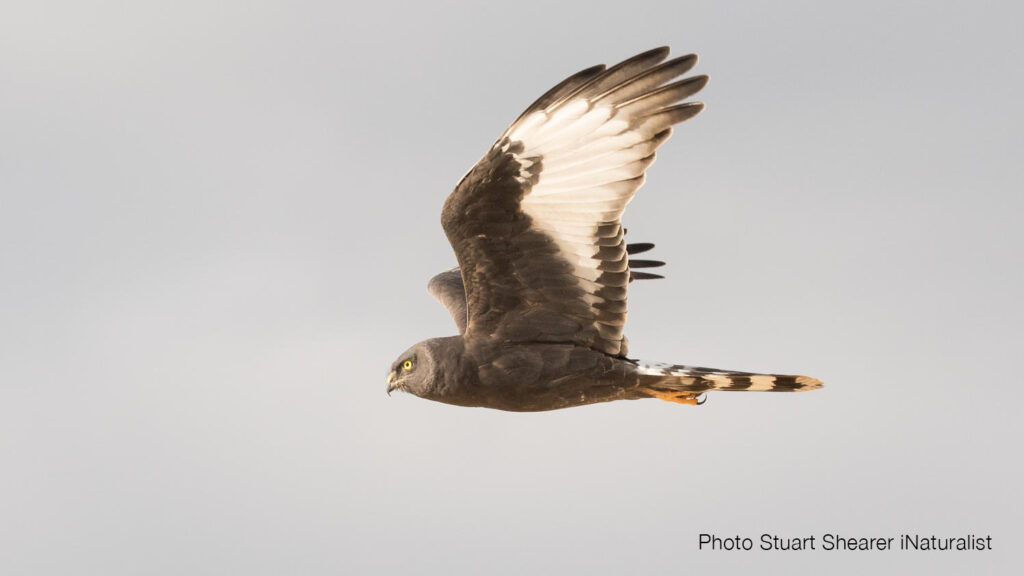
This remarkable flora supports a huge diversity of fauna. Some are extremely rare, such as the smallest tortoise in the world, the tiny, speckled dwarf tortoise (Chersobius signatus) or Van Zyl’s golden mole (Cryptochloris zyli). Others, such as the black harrier (Circus maurus), a rare endemic raptor, face severe threats from human encroachment. Habitat loss has led to significant population declines – fewer than 800 mature individuals remain.2
The Benguela Marine Ecosystem is recognised as one of the most biologically-rich ocean systems in the world. The upwelling of cold, nutrient-rich deep waters sustain exceptionally high rates of phytoplankton production. This marine biodiversity hotspot is 30 to 65 times more productive per unit area than the global average, and sustains small-scale and commercial fishers.1
Species such as sardines, pilchards, anchovies and horse mackerel support larger predatory pelagic fish, sea birds and marine mammals.
Species of Concern
Conophytum Genus – There are 190 plant species from the group Conophytums, a range of dwarf succulents endemic to the Succulent Karoo biome, Southern Africa, of which 85% are listed as endangered or critically endangered.3
Van Zyl’s Golden Mole – Critically endangered and endemic to South Africa, this tiny 80mm mole, which twitches in its sleep to regulate temperature, survives only at a location near Lambert’s Bay on the West Coast. Mining threatens its habitat.
Orange-tailed Sandveld Lizard – A reptile of conservation concern, this sandveld specialist occurs only in remnant coastal dune and sandveld. Its orange-tinged tail and secretive behaviour belie its ecological value as an indicator of intact sand ecosystems.
Speckled Dwarf Tortoise – The world’s smallest tortoise, endemic to South Africa’s arid West Coast and Succulent Karoo Biome, has unusually high water efficiency for its size, absorbing moisture from morning dew and fog through specialised behaviours and subtle postures.
Black Harrier – This rare raptor (Birdlife SA Bird of the Year 2026) is endemic to the fynbos and Karoo of the Western and Eastern Cape. It breeds in winter, laying more eggs in wetter years. Coastal individuals anchor its future as inland populations shrink due to habitat loss.
Zostera capensis (seagrass) – This vital seagrass – found exclusively in the Langebaan Lagoon, and Berg and Olifants River Estuaries – provides species habitat and supports estuarine health through water purification and ecosystem regulation.

African Penguin – The only penguin species that breed in Africa, charismatic ‘jackass penguins’ can roam up to 1,800 km at sea, yet return to fragile coastal colonies that are increasingly threatened.
Sanderling – This small, long-distance Arctic migrant is key to West Coast sandy shore ecosystems, foraging energetically in the intertidal zone. It reflects healthy invertebrate species and coastal processes.
Human Presence
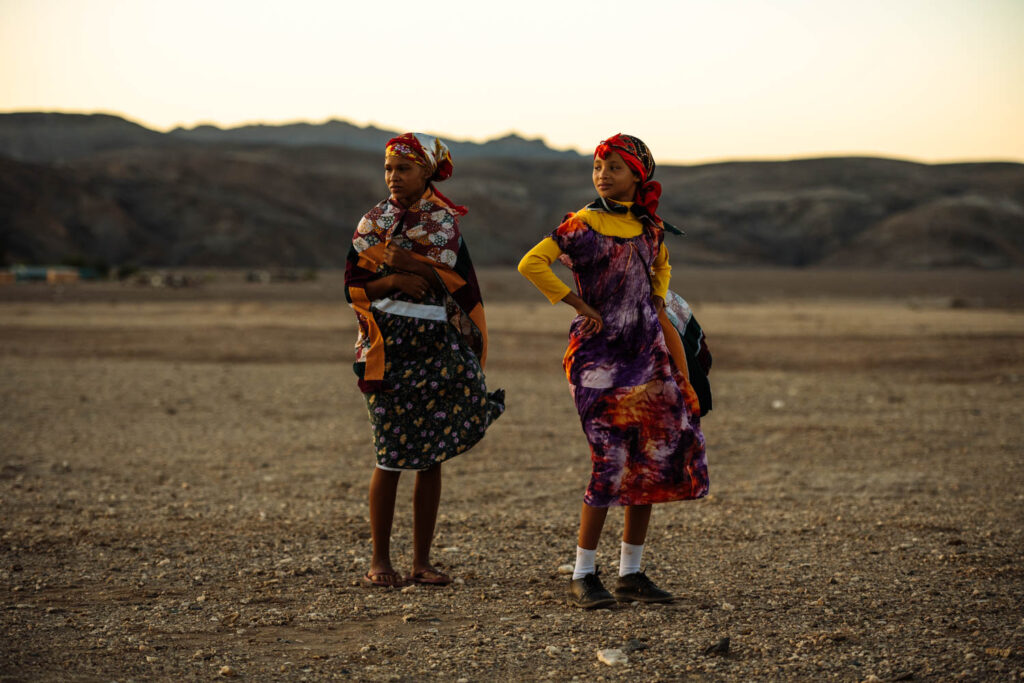
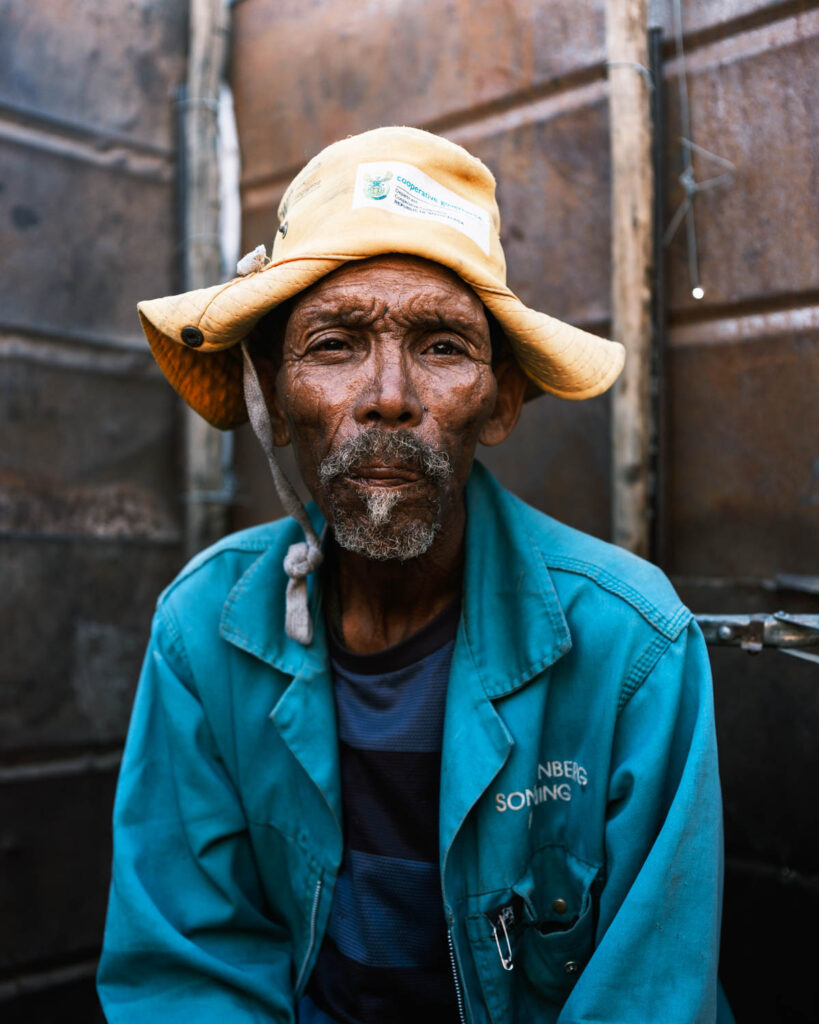
The Northern Cape is considered mostly ‘Karoo’ (from Khoekhoe ‘Karusa’ or ‘dry’), but has much to offer human survival. The First Nations people of the Khoekhoe and Nama have roamed this coast for millennia, leaving a rich cultural legacy. They have conquered the harsh terrain to sustain their livelihoods as subsistence farmers or fishers.
Population and migration from the south and from inland has led to larger coastal communities, particularly in the West Coast District in the Western Cape Province. Agriculture, fishing and tourism are some of the main economic drivers and providers of employment, as well as transport, retail manufacturing and services.4
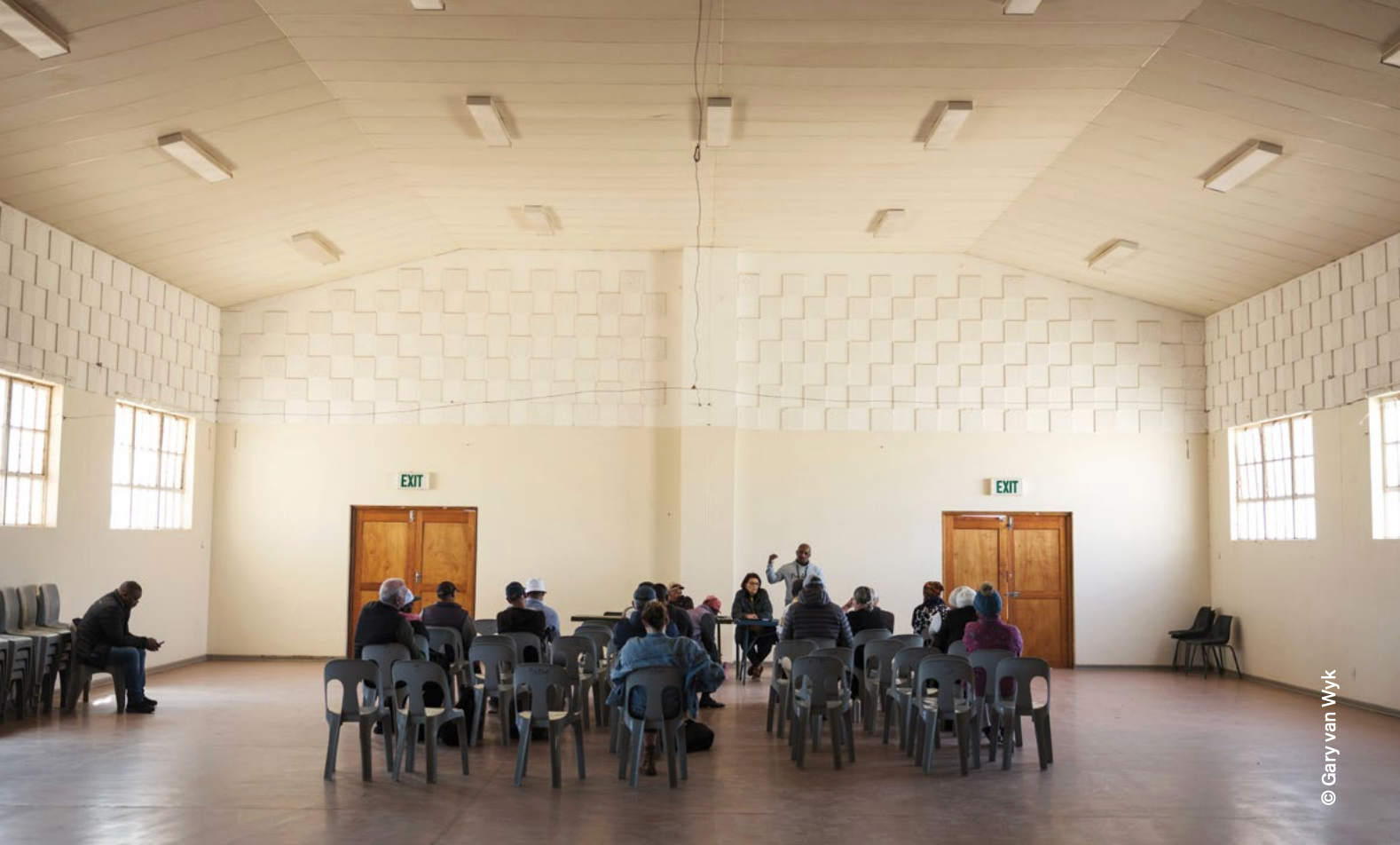
Despite improvements in basic service delivery, the region faces social challenges, with high unemployment, poverty, and crime, exacerbated by an inconsistency in public service delivery, including failures in clean water supply, electricity, sanitation, refuse removal, and housing.

The Northern Cape economy contributes up to 2.3 % of national gross domestic product (GDP), dominated by mining, which accounts for around one-fifth of output, alongside agriculture, manufacturing, and construction.5
But unemployment (up to 40%) remains high, especially among the youth, which exacerbates poverty, crime, skills deficits, and socioeconomic exclusion. Poor infrastructure, education and employment amplify these challenges, especially along the sparsely-populated Northern Cape coastline.
The Tipping Point
The above is an excerpt from the 2026 PTWC Special Report: The Tipping Point
The report brought our legal, science and media teams together to create a unique 56-page expose on the state of the West Coast. Filled with history, stats and other information, the report unpacks the damage from decades of heavy mineral and diamond mining, partly as a result of weak regulatory oversight. But all is not lost. We make the case for better enforcement of legislation, a moratorium on new mining applications while an assessment of cumulative impacts is conducted, with more investment in alternative economic solutions, such as nature-based industries, including ecotourism.
Read and download the full Special Report here:
Footnote References:
1 NASA Earth Observatory (2010) Phytoplankton Bloom off Namibia.
2 Cervantes H, Martins M, Simmons RE (2022) Population viability assessment of an endangered raptor using detection/non-detection data reveals susceptibility to anthropogenic impacts. Royal Society Open Science 9: 220043. https://doi.org/10.1098/rsos.220043.
3 Matimele H, Darbyshire I, Parbhoo S (2023) 2022 report of the Southern African Plant Specialist Group. In: Nassar JM, García L, Mendoza L, Andrade ND, Bezeng S, Birkhoff J, Bohm M, Canteiro C, Geschke J, Henriques S, Ivande S, Mileham K, Ramos M, Rodríguez A, Rodríguez JP, Street B, Yerena E (eds) 2022 report of the IUCN Species Survival Commission and Secretariat. International Union for Conservation of Nature, pp 1–6.
4 West Coast District Municipality (2022) Integrated development plan 2022–2027 (final amended). West Coast District Municipality, May 2022.
5 Statistics South Africa (2024) Provincial gross domestic product, 2024. Statistical release P0441.2. Statistics South Africa, Pretoria.