A recent book by prominent UCT botanist and environmental campaigner Doctor Peter Carrick provides a detailed outline of how to rehabilitate vast tracts of Namaqualand that have been destroyed by mining and farming.

“Ekologiese Restourasie in Namakwaland: ‘n Praktiese Gids” is a step-by-step manual that outlines how to restore landscapes dug up by heavy machinery, whether by miners or farmers, and left for dead. But the good news is that in time, using scientifically based methods painstakingly researched, these moonscaped wastelands can be returned to their former glory.
While the book provides a way for communities and stakeholders to be vigilant and vocal about returning damaged land to its former state, or at least to a sustainable state, it also provides a safeguard that provides a framework BEFORE mining is allowed into communities. It’s an excellent read.
The book integrates almost three decades of research and testing in Namaqualand by Carrick on ways to reintroduce biodiversity. It’s a critical guide for farmers, miners, biologists, consultants, civil servants and indigenous people.
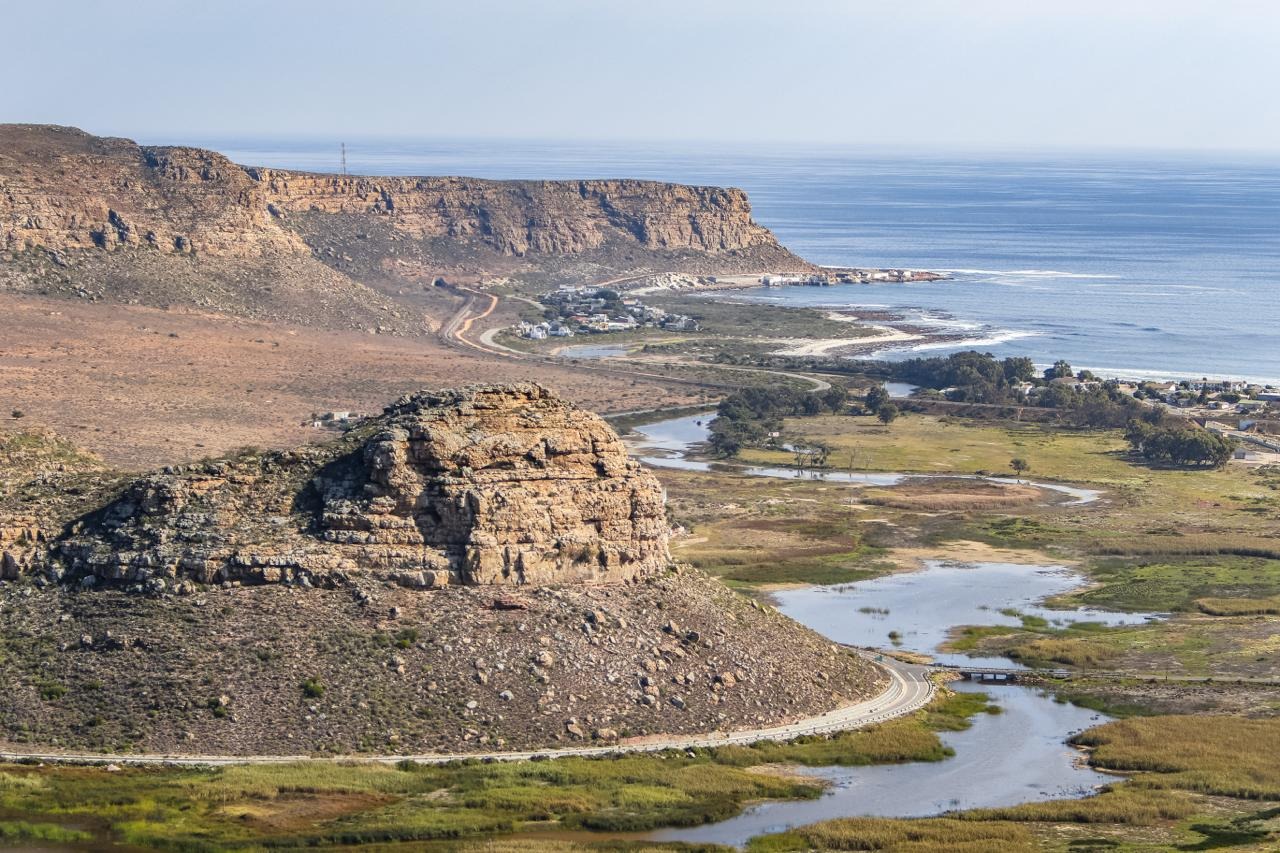
The book begins with a comprehensive introduction of the unique history of Namaqualand and the incredible botanical diversity of the region. It also details the impacts on its ecosystems of industrial scale heavy sand mineral mining and farming.
Emphasis is placed on one of the most important aspects of restoration: unique methods to stabilize top soil to make it suitable for the establishment of vegetation.
Methods to re-establish seeds and plants on degraded areas are included, such as seed collection and a variety of sowing methods. One such innovation is “restoration suits” – a unique approach that creates microhabitats for plant growth, direct transplanting and nursery methods and infrastructure to establish mature plants in the field.
The final chapter offers a user-friendly 100-point method of measuring restoration success.
Important concepts are illustrated with many colorful, impactful photos and illustrations. Although it focuses on the Namaqualand region of the Succulent Karoo, the methods also apply to ecosystems and ecosystem threats in more distant regions of the Karoo and other semi-desert areas where shrubs, herbs or succulents are common.
Peter will be conducting a tour with the book, and will attend a number of launches and conferences in October.
Dr Carrick will be at the FynbosLife Fair this Sunday 9 October (10am-4pm at the Zandvlei Lookout, 57 Promenade Rd, Muizenberg) for a launch of the book, which includes a screening of the PTWC film Ours, Not Mine, and a short talk. Link to the event: ,https://fb.me/e/22G2sjpDc or visit their website ,https://www.fynboslife.com

The book will be available for purchase at the ,Arid Zone Ecology Forum 2022 Conference at Die Keldery, Vredendal 11-13 October, where Dr Carrick will deliver the keynote address titled Ecological Restoration of Namaqualand and other Arid lands: Aims, Innovations and Breakthroughs. His talk takes place at 10.10am on Tuesday 11 October. The conference can be attended online. Download the programme ,here and register at ,http://www.azef.co.za
A gathering and launch of the book with Dr Carrick also takes place in Springbok at 14:00 on Friday 14 October at Namaqualand District Municipality, Hendrik J Visser Street.

Visit Dr Carrick’s website at ,www.NurtureRestoreInnovate.org