In a region as ecologically delicate and socially vulnerable as South Africa’s West Coast, rampant beach mining has become an overwhelming threat. With every new mining prospecting or permit application, the risk of transforming this beautiful and culturally rich landscape into one giant mining site grows by the day.
Most mining prospecting or permit applications are approved hastily by the Department of Mineral and Petroleum Resources (DMPR), with little to no oversight or consideration of their cumulative environmental impact. Until now, public engagement in this process has been severely restricted.
The legally mandated Public Participation Process (PPP) requires South Africans to register as Interested and Affected Parties (I&APs) to comment on or object to mining applications. But this system is outdated, difficult to navigate, and inaccessible for many, especially those in rural or less privileged areas. With mining applications often published with tight submission deadlines, there are significant barriers preventing communities from participating in time.
Enter Ripl.
PTWC, in partnership with the Cape Town-based agency iBay Digital has developed an innovative, accessible public participation platform that empowers South Africans to raise their voices against mining applications. This user-friendly tool is set to revolutionise public engagement in mining applications and appeals, particularly for the people who are directly impacted but have historically struggled to participate.
The current PPP requires access to email, computers, printers, and, most critically, a degree of digital literacy, which leaves large portions of the population unable to take part. Although postal services are technically an option, they are cumbersome and impractical for many, leaving them overlooked in the process. To make matters worse, in many cases affected parties often aren’t even notified about mining applications, public meetings or appeals until it’s too late.
Given the pressing nature of mining applications on the West Coast and the rapid rate at which they are being submitted, the public is often left in the dark or feeling powerless, with limited opportunities to protect their communities and environment from potentially devastating effects.
Ripl addresses these challenges by transforming how people can engage with and influence the mining application process. The platform allows anyone to easily find out about new mining applications, register as an I&AP, and submit comments or objections in just a few simple steps, using only a smartphone via SMS or email.
This platform is set to be a game-changer for timeously informing directly impacted community members, fishermen, academics, activists and concerned citizens about mining applications appeals and public meetings, enabling them to take action. Its straightforward interface ensures that those with access to a smartphone can participate in the PPP and make their voice heard.
The beauty of Ripl lies in its simplicity and accessibility. Once registered, users receive instant notifications about new mining applications. The platform condenses the traditionally complex and bureaucratic public participation process into an intuitive, user-friendly experience.
With Ripl, everything can be done online. The platform acts as a direct link between the user and the Environmental Assessment Practitioners (EAPs) who submit mining applications, or the relevant government departments in charge of appeals. All user submissions are logged and legally processed through the platform, ensuring a seamless and accountable public participation process.
What makes Ripl even more powerful is that it provides a comprehensive system to ensure that public voices are not only heard but legally recorded. PTWC’s Ripl team will also keep users informed of any updates and required next steps, further ensuring accountability.
Beyond empowering individuals, Ripl has the potential to create a wave of public participation that cannot be ignored. PTWC MD Mike Schlebach describes the platform as a potential tipping point in the fight against unchecked mining on the West Coast.
“With Ripl, we’re not just fighting one mining company at a time,” says Mike. “We’re mobilising a movement. Every comment and objection is a drop in the ocean, but together, we create a flood that the mining industry and government can no longer ignore.”
Ripl will also connect users to a broader community of concerned citizens, conservation experts, and environmental organisations, to build a collective voice against the dangers of unsustainable mining. Most importantly, it will provide academics and other subject matter experts with an easy way to access and scrutinise the quality of mining applications and provide their evidence-based objections.
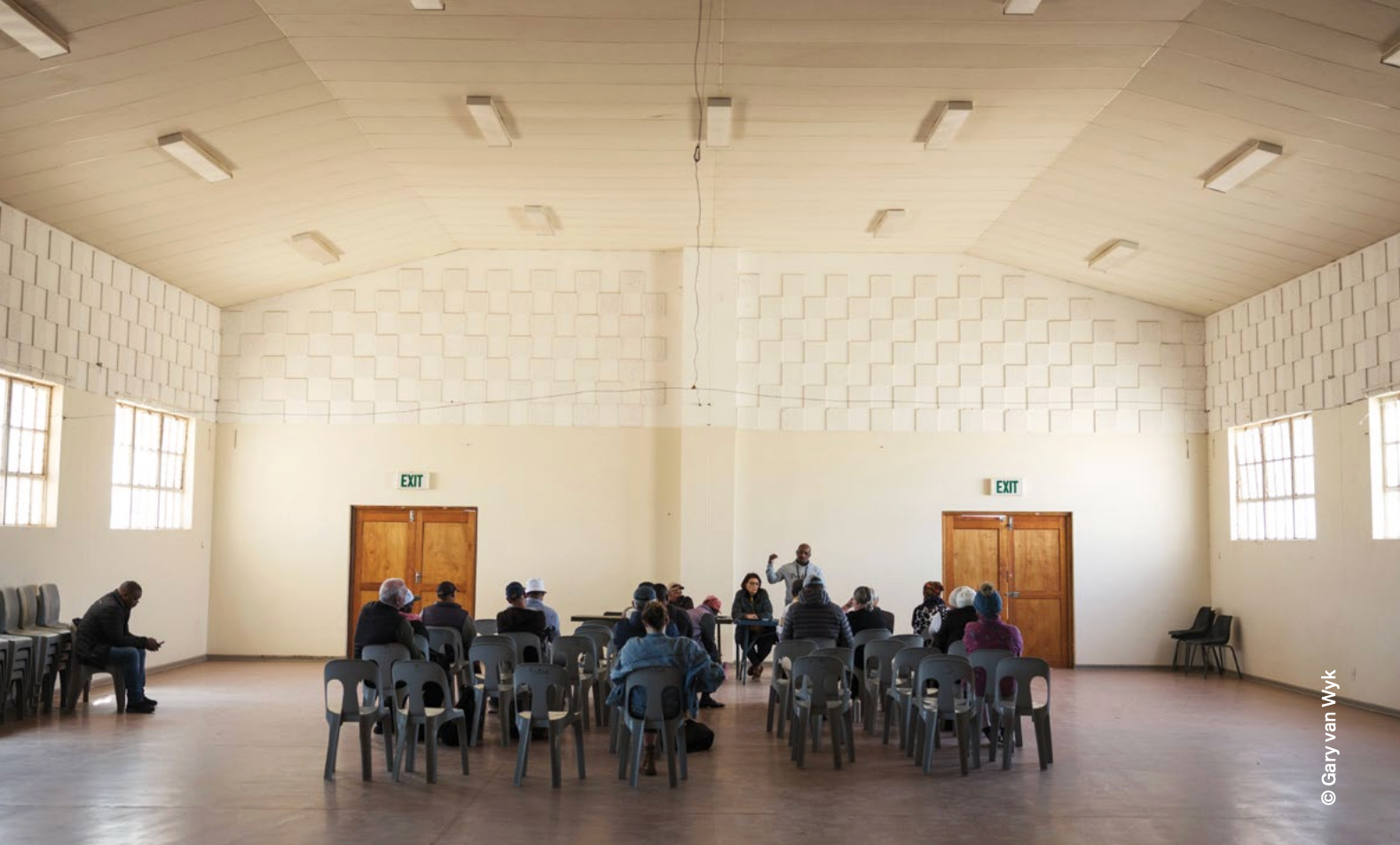
Ripl is designed to be inclusive, recognizing the linguistic diversity of the West Coast. The platform will initially launch in English, with an Afrikaans version to follow shortly after, ensuring that the majority of the population in the region can participate. PTWC also plans to conduct community outreach programmes to further increase awareness and drive participation.
Ripl will fundamentally change how mining applications are handled. No longer will these communities be excluded from decision-making processes that affect their lands and livelihoods.
“iBay Digital are incredibly proud to partner with PTWC in launching this new online platform,” says iBay CEO Ryan Wilder. “It has been an honour to work with such a passionate team, and we look forward to continuing this important journey together to ensure that the people affected by harmful mining activities can now raise objections more easily and effectively.”
At its core, Ripl is about giving power back to the people. It’s about ensuring that the future of South Africa’s West Coast is shaped not by corporate mining interests and an uncaring government, but by the citizens who cherish and depend on this fragile ecosystem.
As the region faces an alarming rate of mining applications, Ripl will help PTWC achieve its ultimate goal: to Protect the West Coast from the irreversible damage of unchecked exploitation. This platform represents a new era of transparency, accountability, and public empowerment in South Africa’s environmental governance.
We invite you to sign up for Ripl today. Add your voice to the chorus calling for responsible, sustainable development – and help protect the West Coast for generations to come.
To sign up for Ripl go to www.ripl.co.za
For more information go here.