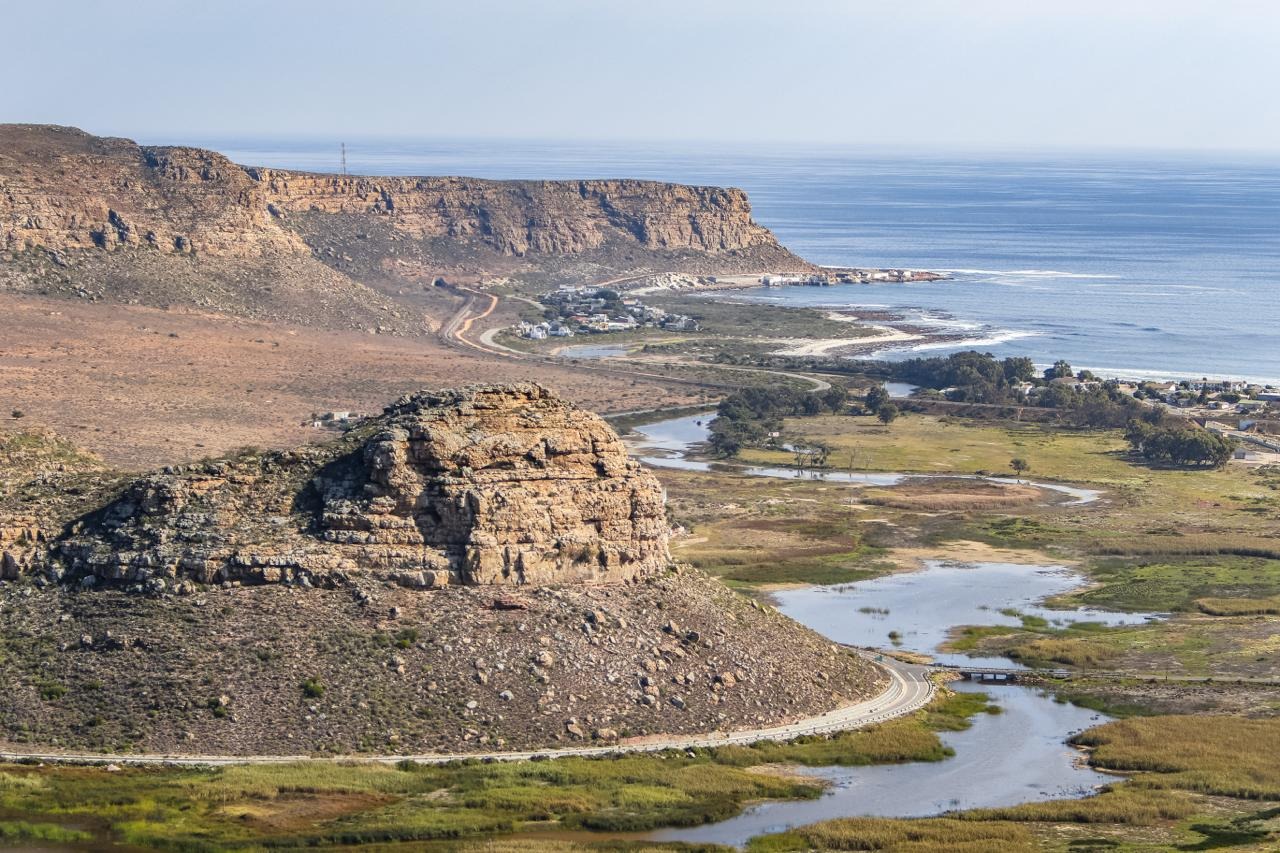
Mariama Mining has applied for a Mining Right and Environmental Authorisation (EA) to dig up and remove phosphates and associated minerals for 32 years on a 52 ha portion of Farm 1029, which is 16 km east of Vredenburg in the Saldanha Bay Local Municipality. The project, which is between Langebaan, Vredenburg, and Velddrif, lies 4 km from the West Coast Fossil Park.
PTWC highlights a major issue, specifically what appears to be a disregard for findings of the Terrestrial Biodiversity Assessment (TBA) prepared for the application, which highlights Critical Biodiverse and Ecological Support Areas (CBAs and ESAs) within the mining footprint.
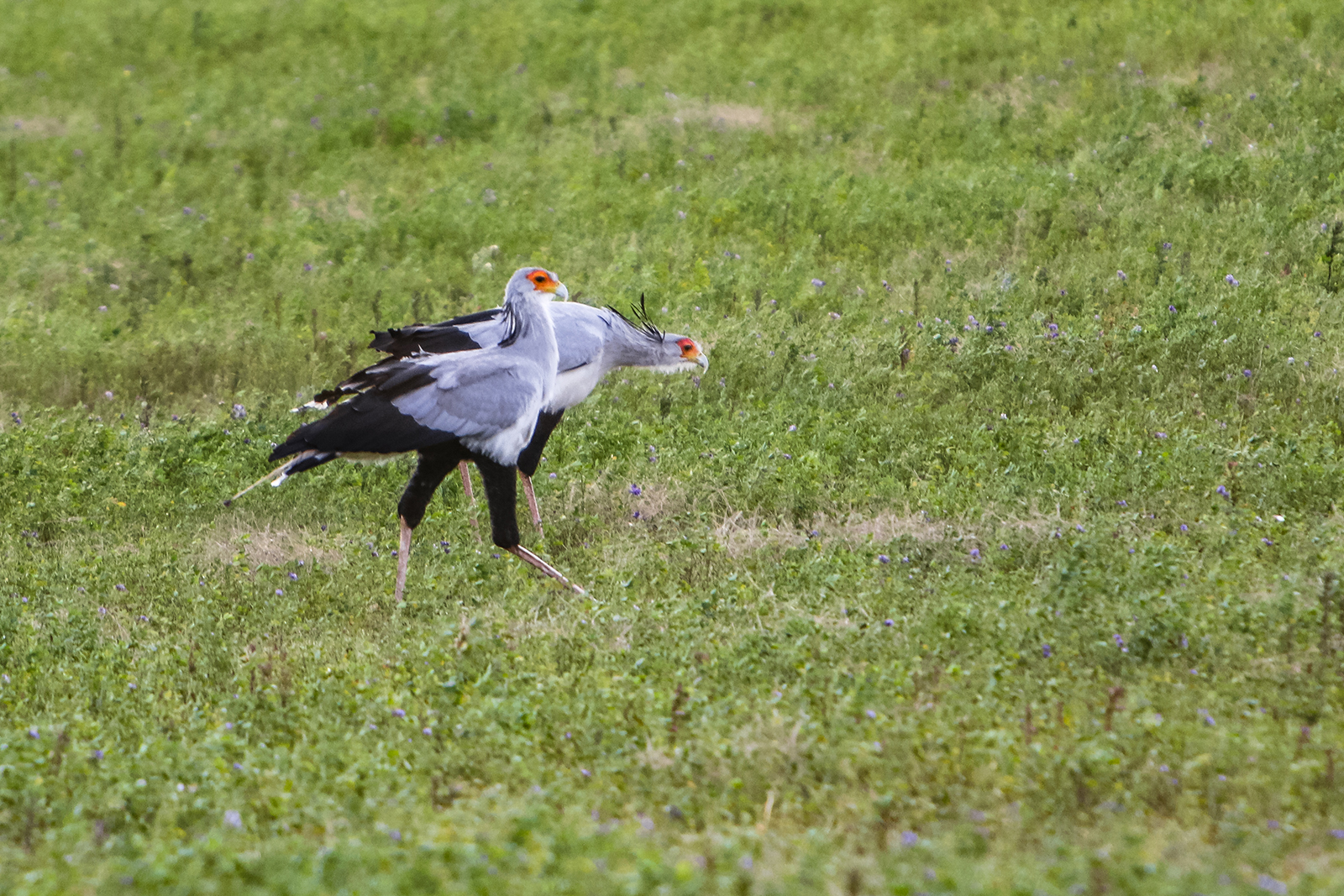
Mining activities threaten the endangered Saldanha Flats Strandveld, of which about 50% has already been transformed or modified, and which is home to Species of Conservation Concern (SCC) and Threatened or Protected Species (TOPS), including the Cape fox (TOPS), secretary bird (Vulnerable), Cape dwarf chameleon (Near Threatened), and Cape burrowing scorpion (TOPS). Despite the area being identified as critically biodiverse, Mariama Mining persists in seeking mining rights.
The company argues that negative impacts can be overcome by simply “avoiding the 12.5 ha of intact Saldanha Flats Strandveld, as far as possible, without compromising economic viability”. Phrases like “economic viability” and “as far as possible” are simply not good enough to rely upon when making applications like this. There is no emphasis on recovering the surrounding Secondary Strandveld, which will be destroyed during the mining operations, putting the above endangered species at further risk.
A Rescue and Relocation Plan for species of concern before site clearing, mentioned in their Environmental Management Programme (EMPr), raises concerns that relocation will cause severe stress, and reduce overall survival chances – not to mention the invasive nature when one captures and handles these plants and animals. Mining around a CBA will further fragment the Saldanha Flats Strandveld, reducing ecological connections, and further isolating these sensitive habitats.
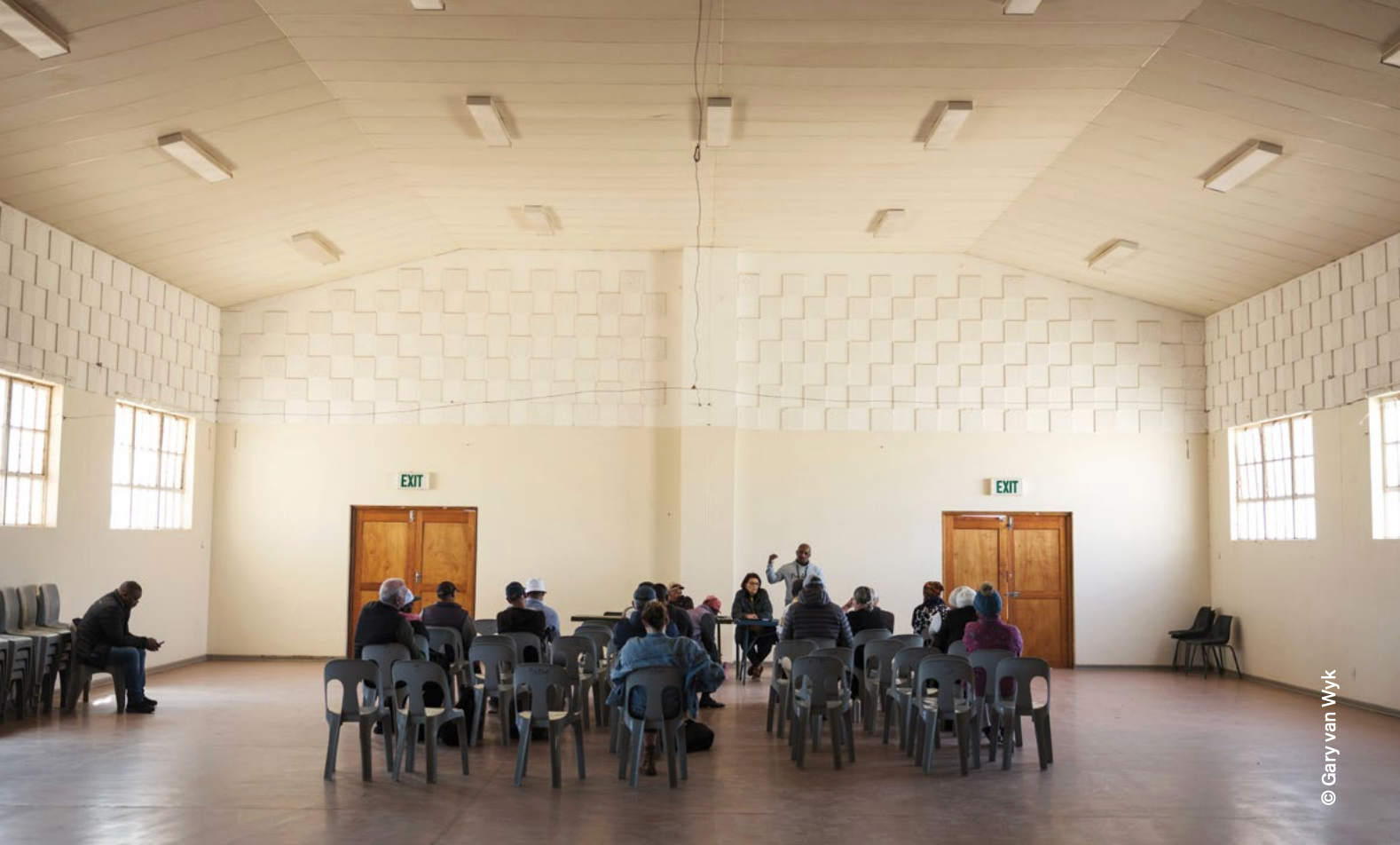
As part of the legal requirements of the authorisation process, please sign up as an Interested and Affected Party (I&AP) to review, comment on, object to and receive future information regarding the project by Wednesday, April 16.
Register as an I&AP on Ripl:
Strong Concerns
PTWC highlights the persistence by Mariama Mining to seek mining rights despite the presence of endangered species across the project area, with the intact Saldanha Strandveld providing ecological support to surrounding Secondary Strandveld, which facilitates species connection within the ecosystem. Mariama Mining proposes that the solution is to simply mine around these vulnerable areas.
Most concerning is the proposed Rescue and Relocation Plan mentioned in the EMPr, which is wholly inadequate. They fail to specify the relocation site, responsible parties, recovery of plants being removed and capturing and handling methods. Relocation will disrupt the ecosystem functioning in and around the project area, as well as the relocation site, especially because the duration of the mining operations is 32 years.

PTWC MD Mike Schlebach said that displacing species under the guise of “rescue” was nothing more than an invasive disruption to their lives.
“These plants and animals have adapted to this specific environment, and forcefully uprooting them does not equate to conservation – it is merely an attempt to justify irreversible habitat destruction, when there is so little of this Strandveld left,” he said.
This application would result in total habitat destruction, displacing resident species into already limited vegetated areas, and escalating competition for territory and breeding sites, adding to the cumulative impacts, he noted.
“We encourage you to sign up to our public participation platform Ripl to make your voice heard,” added Schlebach. “It is only through collective action and a unified front that we can dissuade the authorities from allowing such potentially damaging mining activities to continue unabated, or in the manner suggested in these applications, especially this close to a heavily populated area.”
View the EMPr, Environmental Impact Assessments, associated appendices, and register as an I&AP on Ripl: