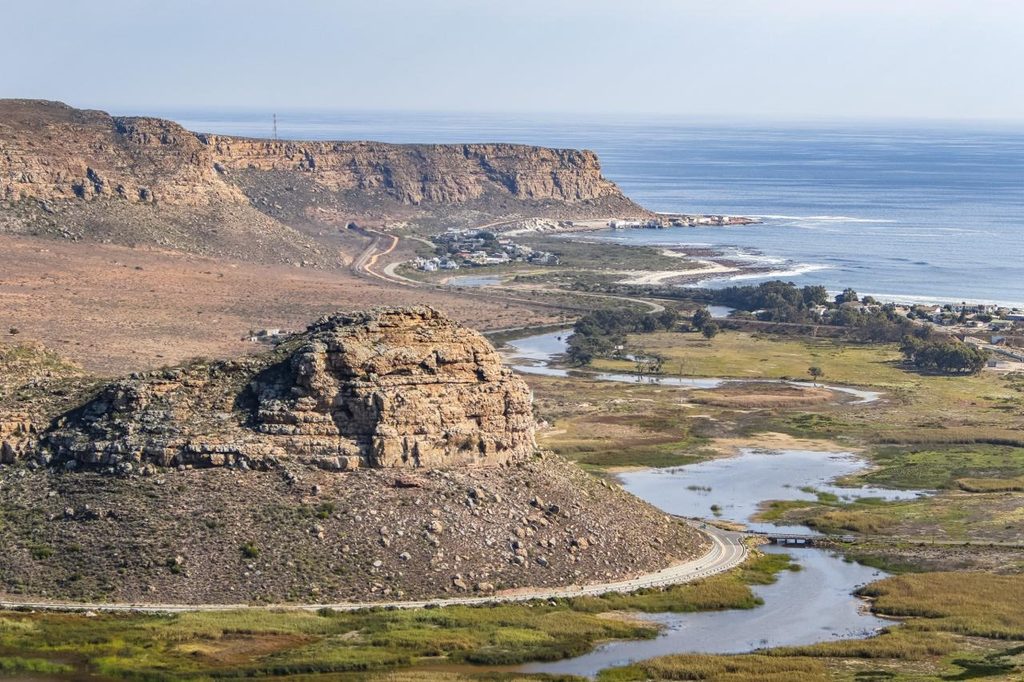
PTWC announced at the recent Save The Waves Film Festival in Cape Town that the community of Elands Bay – with support from PTWC – has applied to become a World Surfing Reserve in 2027, which would make it the first of its kind in Africa. One surf spot is chosen annually, with Puerto Escondido in Mexico becoming the 14th World Surfing Reserve earlier this year.
Founded more than two decades ago, working with local activists, communities and organisations, Save the Waves has been instrumental in establishing World Surfing Reserves at iconic but vulnerable surf breaks around the world, including in Australia, the United Kingdom, Mexico, Brazil, California, Peru, El Salvador, Costa Rica and Chile.
Similar to a World Heritage Site, a World Surfing Reserve is a powerful tool to safeguard surf spots and their surrounds.This protection, says Save The Waves Coalition CEO Nik Strong-Cvetich, covers what are now globally recognised in the scientific world as surf ecosystems – not just the breaking wave itself, but also the flora and fauna that form the biodiversity of the immediate coastline, and the people who depend on the wave for their wellbeing, culture and economy.
The announcement was made at the Labia Theatre in Cape Town at the first Save The Waves Film Festival, which was presented on September 23 by PTWC and Wavescape – part of a one-day tour of curated short films from around the world about surfing, adventure travel and ocean conservation.
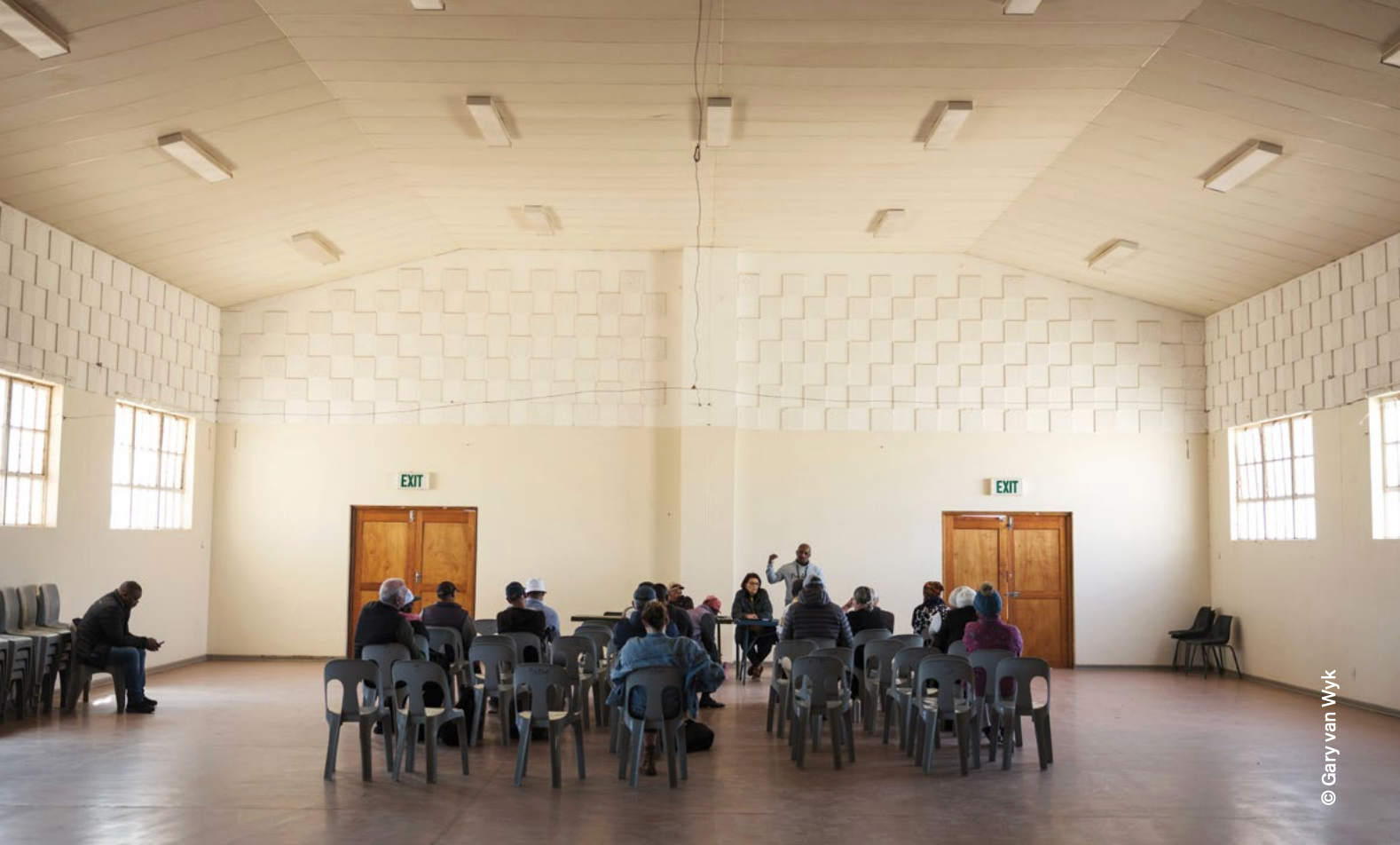
PTWC scientist Tiaan Engelbrecht, who led the application process, and Environmental and Geographical Science Honours student at the University of Cape Town, Maya Figl, announced the news to cheers from the capacity crowd that an application for Elands Bay had been made – with the consent and support of the local community.
After a public presentation that explained the concept, Elands Bay residents had embraced the idea because they could see the potential for significant economic improvement and environmental protection of, for instance, subsistence fishing practices.
Engelbrecht and Figl spent the better part of two months of research to determine whether Elands Bay had the credentials for a designated World Surfing Reserve. They conducted multiple interviews with stakeholders around a range of issues, including subsistence fishing, cultural heritage, business and tourism opportunities, and their willingness to assume responsibility for the project should the application succeed.
Engelbrecht also pointed out that beyond the initial application and research, PTWC would have no further hands-on involvement. PTWC has a strategy to assist and facilitate – but not directly manage – projects that protect coastal areas vulnerable to environmental harm. That would be the role of the ‘Local Stewardship Council’, who would manage and run the surfing reserve.

A list of criteria
World Surfing Reserve applicants must fulfil an extensive list of requirements, starting with a surf break that has waves of exceptional quality and consistency, with a rich, documented surfing heritage and a deep cultural connection to the sport. Other considerations are environmental, such as associated ecosystems and biodiversity, and natural oceanographic or geological features. A vital requisite is tangible threats from development or degradation that make conservation an urgent priority.
“While Elands Bay is a strong contender on its surfing reputation alone as a world-class lefthand point break with a rich surfing heritage and culture,” said Engelbrecht. “It also ticks all the boxes of the other conditions that Save The Waves requires. A critical element is proximity to important biodiversity areas, the Ramsar-listed Verlorenvlei Estuary, and the cultural heritage sites in the Baboon Point caves, both facing threats from development.”

He mentioned how fresh water abstraction from farms upriver and plans for open-cast tungsten mining put further pressure on the riverine environment and water resources in Elands Bay, including groundwater pollution. Intensive farming and upstream agricultural development had severely altered the natural channels, increased sedimentation, and affected wetland habitats.
Invasive alien plants like black wattle and port jackson consumed large amounts of water, while invasive fish – such as largemouth bass and banded tilapia – endangered indigenous species such as the Verlorenvlei Redfin, added Engelbrecht.There is also pressure from residential development, and unlawful dams that further fragmented the ecosystem – often with inadequate public participation.
“Repeated development proposals by an entity known as Midnight Storm for residential units on cultural heritage landmarks including the Hailstorm Middens adjacent to Baboon Point rock drawings, threatens the remarkable history that connects early humans with life by the sea. This remarkable site is evidence of how early modern humans adapted to coastal life by making sense of tidal patterns and using tools to catch their food,” Engelbrecht continued.
Another important aspect in the application was proof of sufficient community support, and governance and legal capacity to manage and protect the area, which included adequate financing. The application needed to indicate community cohesion, robust legal or policy frameworks, and capable community leaders and established institutions dedicated to ongoing World Surfing Reserve management and coordination under the leadership of a clearly identified ‘Reserve Ambassador’.
The application closes a nine month loop after PTWC MD Mike Schlebach and Communications Manager Miles Masterson attended the Save the Waves Coalition Summit in Santa Cruz, California on a fact-finding mission last October to learn more about how to the organisation can play a key role as a Save the Waves strategic partner in protecting key surf spots in South Africa and Africa, and the vulnerable surf ecosystems around them.
“Many of the challenges faced in these countries are very similar to those we are experiencing on both South African coasts from the onslaught of mining applications, oil and gas projects and more,” said Schlebach at the time. “It was sobering, but also motivating to see so many intelligent, motivated people coming together to share knowledge and ideas that we have brought home to apply in South Africa to create our own legally protected surf ecosystems.”
Save The Waves will announce the 2027 designated World Surfing Reserve shortly, so hold thumbs with us for Elands Bay.
Donate to support the work of Protect the West Coast