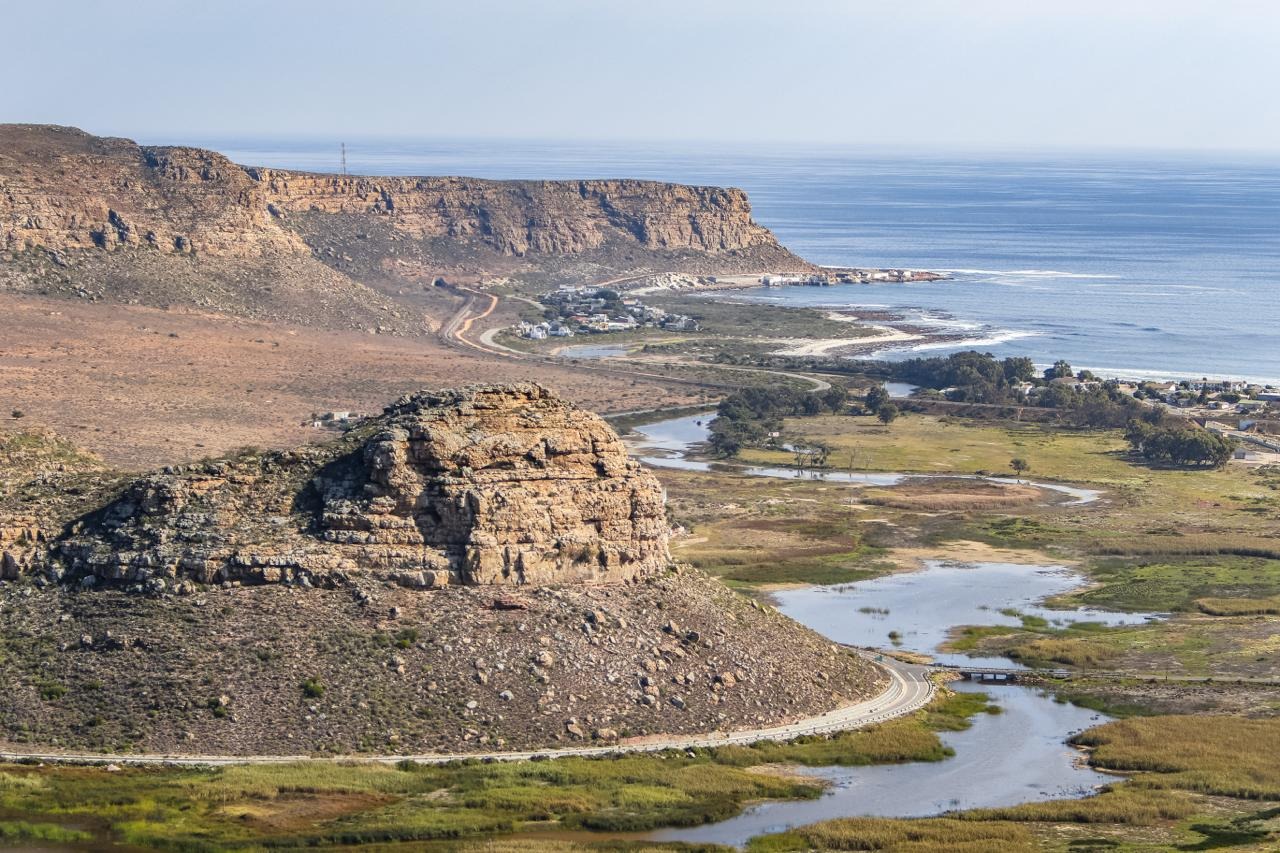
The indigenous people of the West Coast have known diamonds for thousands of years. Nama elders speak of learning to count with diamonds, a mythical stone that is woven into their mythology. However, these massive concentrations of diamonds and heavy mineral sands went undiscovered by Europeans for 200 years after the colonists arrived in the Cape in 1652.
Due to the remoteness of the Northern Cape and Richtersveld, and the pastoral, nomadic nature of the inhabitants, European settlers in the Cape to the south mostly ignored the area – until copper was discovered in 1837, although the Khoekhoe people had used copper for centuries.
By 1854, the Great Copper Rush was on. Alexander Bay, at the mouth of the Orange River, was the export point. This infrastructure would later be useful when the government and later state-owned Alexkor took control of diamond mining between Port Nolloth and Alexander Bay from 1992.
Long before the copper and diamond rushes, small clans of pastoral Khoisan and San people lived along the West Coast. The main group was the !ama, centered around Alexander Bay. The Khoekhoe and Nama were semi-nomadic herders of goat, cattle and sheep, but they had a deep spiritual connection to nature predicated on a profound and life-giving knowledge of ocean and terrestrial ecosystems that sustained them.
However, these First Nations people did not fare well when the colonists arrived. They were decimated by smallpox, dispossessed of land and enslaved. They watched while their ancestral land was systematically stripped, trenched and dredged for minerals.
It is notoriously difficult to gauge the total value of diamond extraction in Namaqualand compared to its cost due to illegal mining, opaque pricing structures, and increasing operational costs as resources become less accessible.
While the region was historically famous for rich, high-quality diamonds, the economic viability of large-scale operations has declined, making it hard to measure the true economic benefit against the environmental and social costs.
Based on historical mining data, De Beers in Namaqualand recovered an estimated 31 million carats between 1927 and 2005. The total value of this, excluding the costs of production and taxes, runs into tens of billions of rands.
With heavy mineral mining on the West Coast, the total value is potentially vast, although it is not easy to find comprehensive or accurate data. However, as an illustration, in 2021, Tronox, owner of the Namakwa Sands mine, generated USD478 million (about ZAR8.5 billion) in revenue from sales of zircon, accounting for 13% of its total revenue.
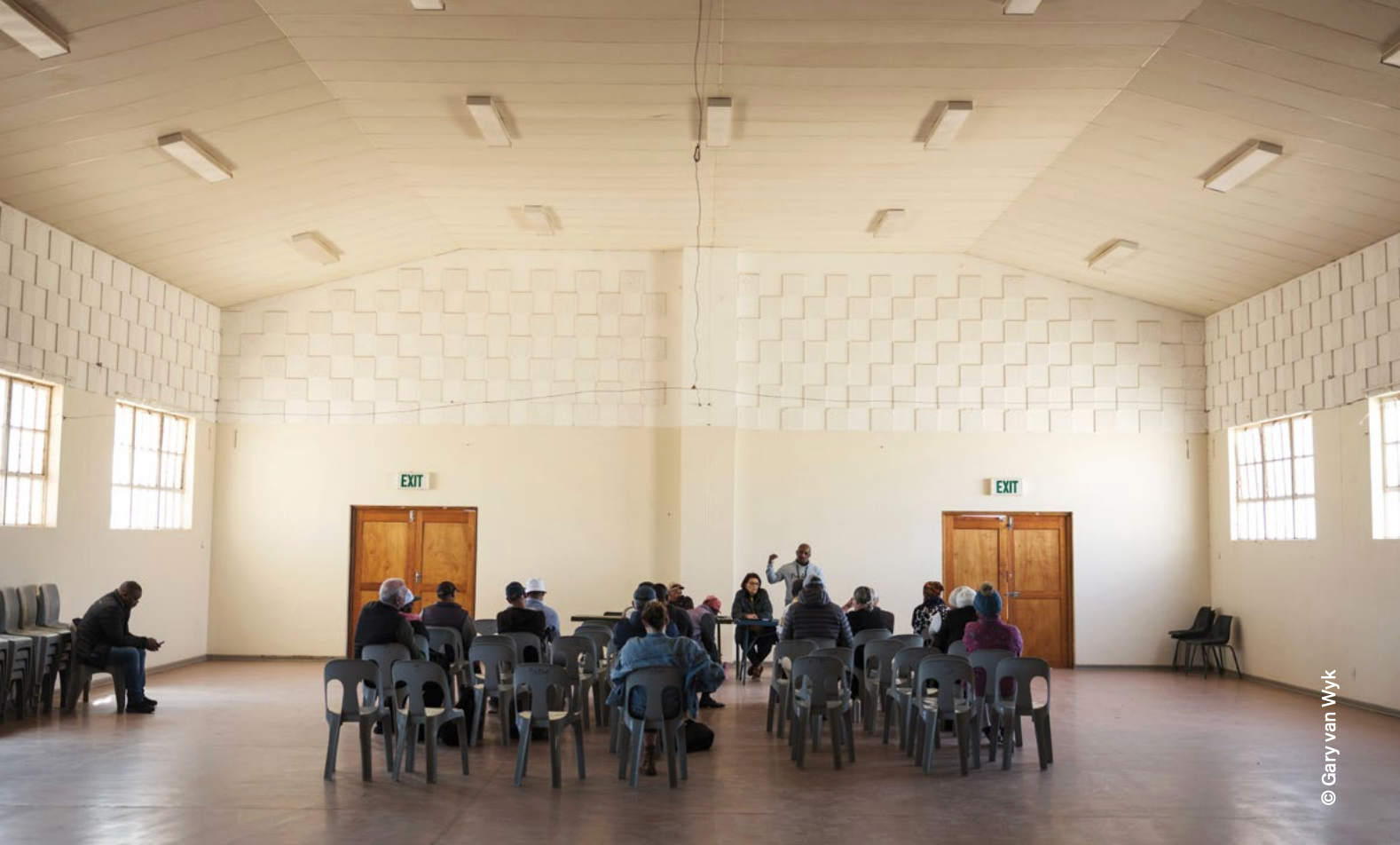
If one excludes the profits this mining may have had for shareholders and the national fiscus, few benefits have accrued to local communities from a century of mining. Not least after the debacle that ensued after the Richtersveld land claim, finalized in a 2007 settlement, when 85,000 hectares of diamond-rich land in the Northern Cape was meant to be given back to 4,000 members of the Nama community, along with compensation and rehabilitation funds from Alexkor.
The landmark case, initiated in 1998, was upheld by the Constitutional Court in 2003, recognizing indigenous, communal ownership rights over territory and a share of mineral rights.
However, a combination of state capture, mismanaged funds, dysfunctional governance, failed joint ventures, and rapidly declining mineral resources has led to widespread poverty after the community lost its majority share in the deal.
Three hundred years after Europeans arrived, all the indigenous people of the West Coast – the Nama, Cochoqua and other Khoisan tribes – must fight not only a harsh landscape, exacerbated by climate change, but their right to exist under the supposed protection and oversight of their government.
Increasing pressure from mining is a threat to their way of life, livelihood and natural surroundings, with which they share a deep spiritual connection. The West Coast is a stark illustration of extremes: immense geological wealth in the ground juxtaposed with extraordinary poverty among the people on the ground, a situation that is morally unjustifiable and economically unsustainable.
The Tipping Point
The above is an excerpt from the 2026 PTWC Special Report: The Tipping Point
The report brought our legal, science and media teams together to create a unique 56-page expose on the state of the West Coast. Filled with history, stats and other information, the report unpacks the damage from decades of heavy mineral and diamond mining, partly as a result of weak regulatory oversight. But all is not lost. We make the case for better enforcement of legislation, a moratorium on new mining applications while an assessment of cumulative impacts is conducted, with more investment in alternative economic solutions, such as nature-based industries, including ecotourism.
Read the full Special Report here: