The Bill proposes amendments to the Mineral and Petroleum Resources Development Act, 2002 (MPRDA) to ostensibly streamline and modernise South Africa’s mining sector. Proposed changes include regulations that manage small-scale mining, enable easier access to resource extraction, boost community consultation, and clarify corporate transaction rules.
Head of the PTWC legal team Patrick Forbes warned that in many cases, the proposed amendments could do the opposite, and represented a potentially disastrous erosion of democratic oversight in South Africa’s mining sector.
In a written submission to the Department of Mineral and Petroleum Resources (DMPR), PTWC reiterated a key concern that the Bill tilted the balance of power in favour of the government and mining companies at the expense of marginalised communities and vulnerable ecosystems.
Eroding Community Rights
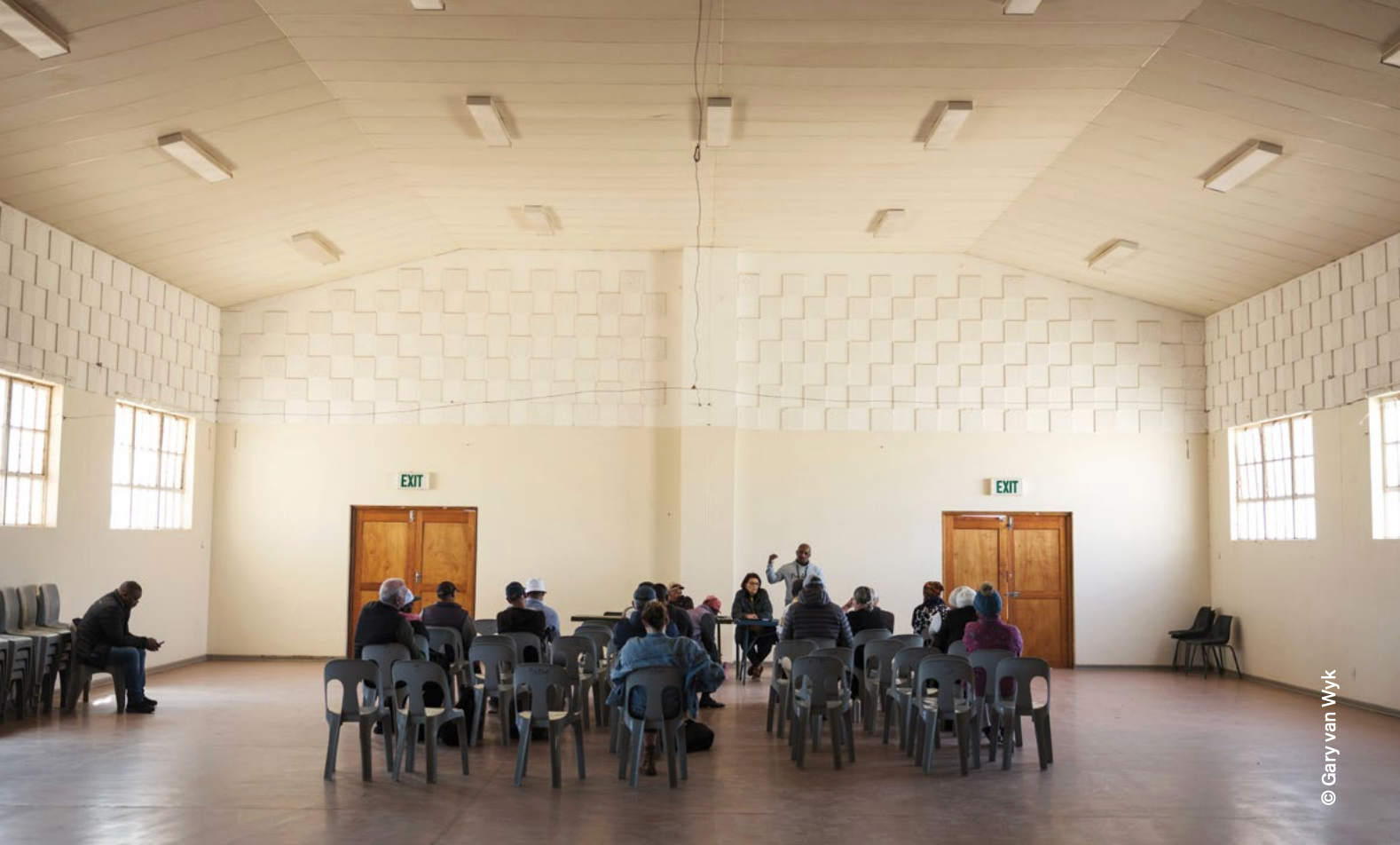
One of PTWC’s primary objections was how the Bill redefined the concepts of “community” and “interested and affected persons”, with potentially detrimental affects on the crucially important Public Participation Process.
PTWC’s objections echoed those of community-based advocacy organisation Mining Affected Communities United in Action (MACUA), who have criticized the Bill’s sections on Social Labour Plans (SLPs) and community rights, which PTWC unequivocally endorsed.
“These definitions will artificially limit who participates in decisions about mining projects,” said Forbes. “The proposed wording recognises only formally constituted communities within municipal boundaries, potentially excluding rural, mobile or coastal groups such as small-scale fishers whose rights are tied to environmental resources rather than fixed locations.
“This dangerously narrows the rights of people to participate in mining decisions,” added PTWC Managing Director (MD) Mike Schlebach. “This bureaucratic reshaping of reality will exclude the people who will bear the brunt of mining’s impacts.”
The Bill weakened the concept of “meaningful consultation” by taking away Free, Prior and Informed Consent (FPIC) from communities, which reduced public participation to a procedural “box-ticking” exercise.
Centralising Power and Weakening Oversight
In addition, PTWC warned that the Bill’s provision to give ministerial control over appointments to the Regional Mining Development and Environmental Committee (RMDEC) undermined the independence of what ought to be a critical oversight body.
The removal of Regional Managers from the application process and the centralisation of authority at the national level, PTWC argued, would remove decision-making from the actual reality of mining impacts.
“In a sector with a reputation of corruption and regulatory capture, concentrating this much power in one political office is a recipe for further entrenching this dangerous trend, whether real or perceived,” Schlebach noted.
Environmental Safeguards Under Threat
The Bill’s proposal to delay the application for environmental authorisations until after mining right applications had been accepted was another major concern. PTWC warned this could create “procedural momentum” in favour of approvals, which may put pressure on environmental authorities to greenlight projects that might otherwise fail on ecological grounds.
The organisation also objected to the removal of cross-departmental sign-offs on mine closure certificates, saying this would weaken cooperative governance and ran the risk of overlooking critical environmental and social impacts and leave it almost all in the hands of the DMPR whose oversight role has historicallybeen woeful with no sign of any immediate change.
Failure to Strengthen SLPs
In addition, PTWC criticised the Bill for failing to impose enforceable obligations on mining companies regarding Social and Labour Plans (SLPs). Without mandatory disclosure, independent monitoring, penalties for non-compliance or community approval mechanisms, SLPs would remain “administrative formalities rather than enforceable commitments”.
“This Bill reflects a broader bias – prioritising investor and industry interests over community rights and environmental protection,” said Schlebach. “It risks entrenching a legacy where mining-affected communities are left with unenforceable promises while carrying the social and environmental costs.”
Call for Genuine Reform
Forbes said that PTWC was calling for revisions to the Bill that would guarantee an inclusive, approach to the definition of “community” and “interested and affected persons”.
“We urge the DMPR to embed the Prior and Informed Consent as a legal requirement for mining on communal or environmentally sensitive land. How could anything less than this threshold ever be legally defendable?”
The changes threatened the independence of oversight bodies like the RMDEC, and should rather be promulgated in ways that protected and enhanced their mandate, Forbes urged.
“We also call on the DMPR to retain early-stage environmental scrutiny and multi-department closure approvals, as well as make Social and Labour Plans binding, transparent, and community-driven,” Forbes said.
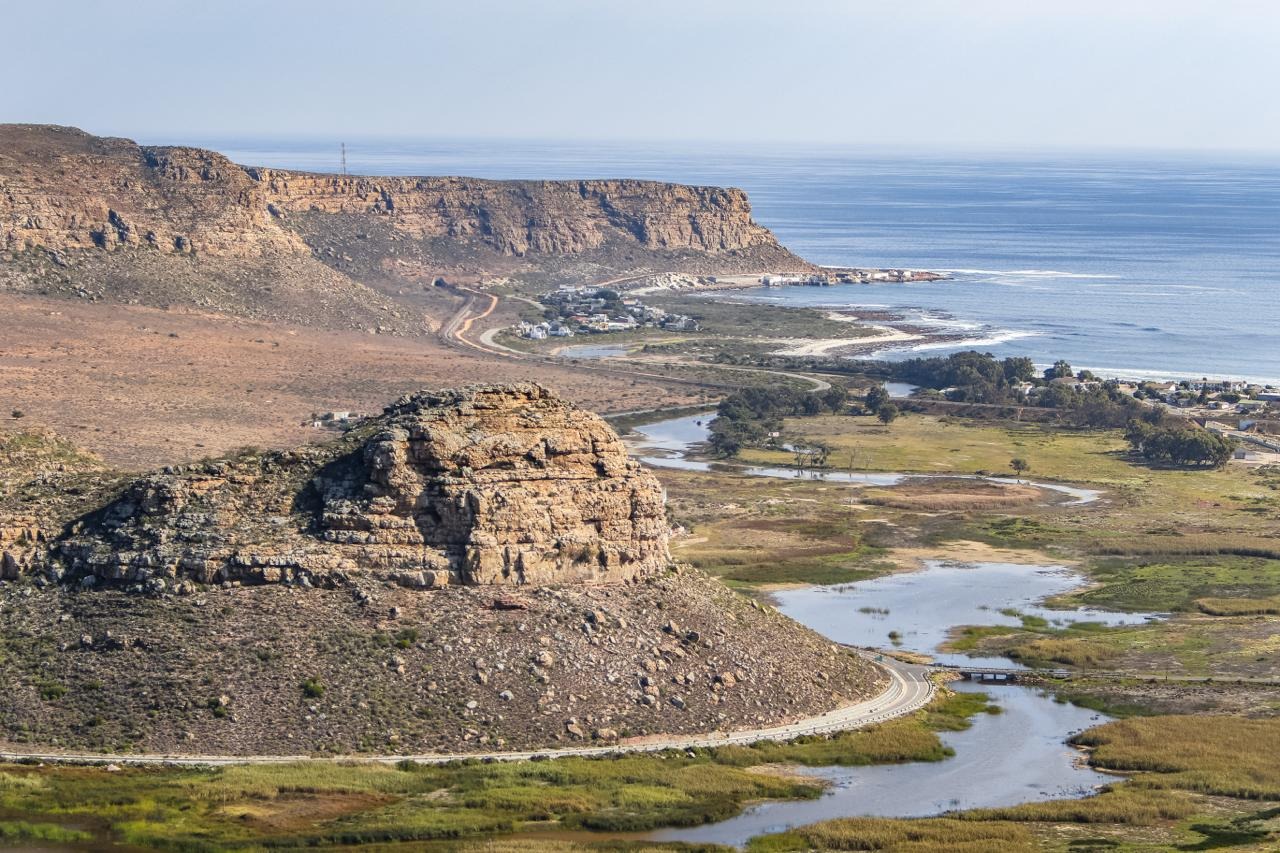
“The West Coast is already under severe pressure from extractive industries,” Schlebach concluded. “If passed in its current form, this Bill will make it even harder for communities to defend their land, livelihoods, and the environment. We need legislation that strengthens – not strips away – the rights of those on the front lines and protects the vulnerable fauna and flora of this cherished region.”
To read PTWC’s full submission, see below document.