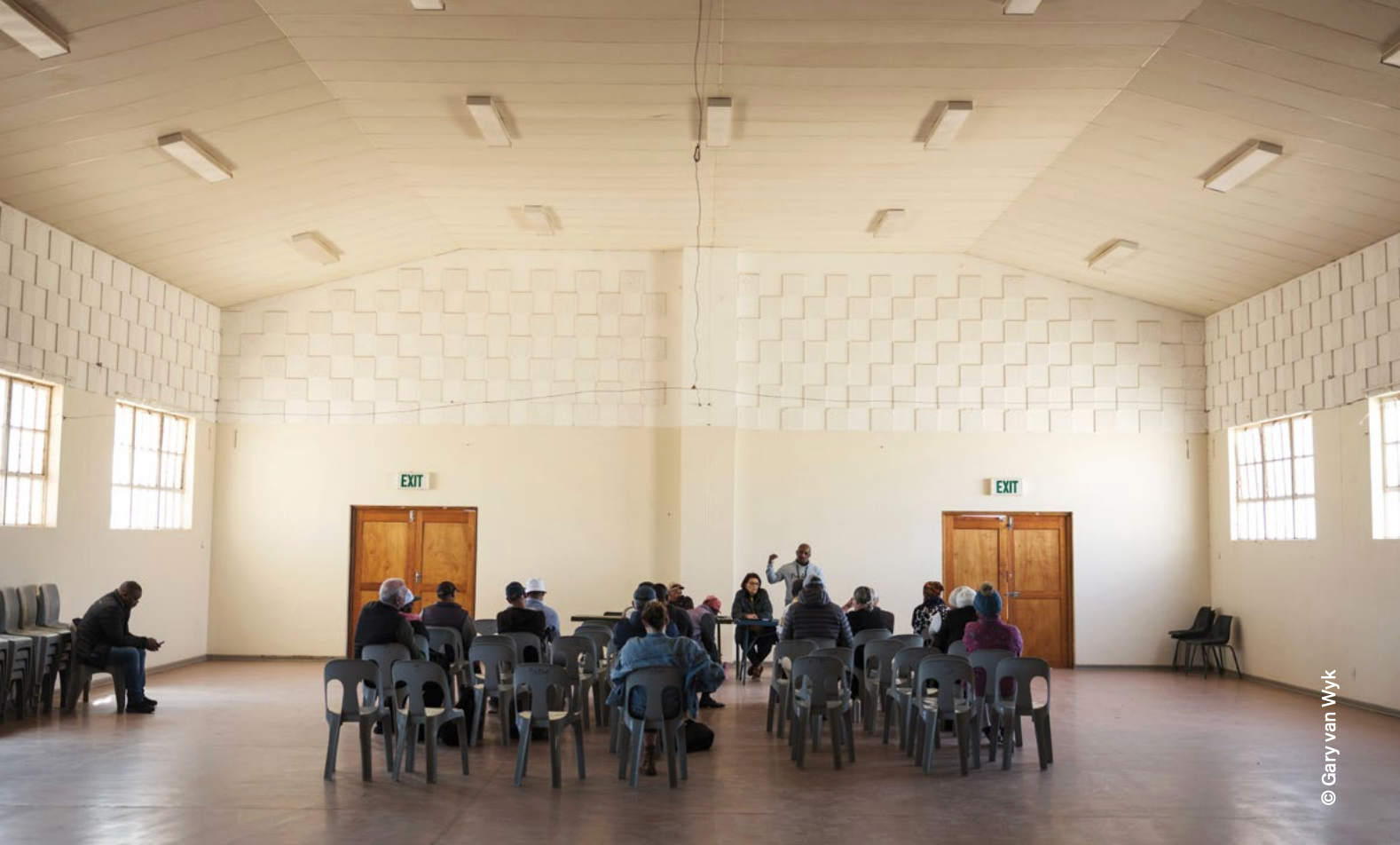
In the first of two Birdlife South Africa events, PTWC recently joined organisations such as SANParks, WWF South Africa and the Centre for Environmental Rights to speak at a special workshop, Mining and Other Threats to Protected Areas (MATPA).
The workshop brought together organisations from across the country to discuss mining-related threats to protected areas, policy frameworks, environmental challenges, and collaborative strategies for ongoing conservation to safeguard the environment. Also attending were Wilderness Foundation Africa, OUTA, and the Biodiversity Law Centre, to name a few.
MATPA focused on three key themes. Firstly, participants explored legal and policy frameworks for mining and conservation, reflecting on recent court cases and ongoing shifts in national legislation, including the updated Draft Mineral Resources Development Bill 2025, critical minerals and metals strategy, and the much promised but yet-to-manifest Mining Cadastre.
Secondly, discussions addressed the pressing environmental and land-use challenges posed by mining, including the legacy of abandoned mines, financial provisioning, the role of spatial planning in guiding responsible allocations, and the innovative “planned offset initiative” by SANParks to expand protected areas around national parks. Finally, the workshop focused on strategies for action and collaboration, highlighting the importance of multi-pronged approaches and empowering communities and organisations with tools to participate effectively in the Public Participation Process (PPP).

During this discussion, PTWC presented its digital PPP platform Ripl and emphasised the important role the platform has played in making mining applications accessible to communities on the West Coast, highlighting recent success stories, as well as challenges posed by the lack of specialist inputs to support comments on mining applications posted to Ripl.
The conversations underscored the urgent need for more coordinated action to safeguard South Africa’s protected areas from growing pressure by the mining sector, regarded as one of the most powerful yet intimidating business sectors in the country, according to participants.
“The highlight of the workshop for me was the open and meaningful dialogue with participants,” said PTWC paralegal Zarreen Khan. “The energy in the room and the shared commitment to accountability and good governance sparked conversations that challenged my own thinking.”
“It was also reassuring to hear positive feedback that the work that we are doing at PTWC is making a tangible difference, while recognising that there is still a lot of ground to cover. The workshop brought to light some of the broader challenges facing the NGO sector and moving forward, I think that working together will be key to addressing them.”
PTWC environmental scientist Tiaan Engelbrecht added: “It was exciting to see organisations from across the country come together with a shared interest to join forces and make sure the beauty, diversity and important ecosystem functioning on the West Coast and the broader South Africa is protected and conserved.”
Conservation Conversations
After our invitation to BirdLife South Africa’s biweekly webinar series, Conservation Conversations, PTWC seized another opportunity to discuss our history, legal developments, and broader mission, and to again promote Ripl to an audience of nearly 300 people.
Ripl was well received by the attendees with many comments by people who wanted to get involved and connect with the platform. Catch up on some of the conversations on YouTube.
“The interest and engagement shown by the audience on what are topical and important issues facing the West Coast was heartening and the public participation message was well received,” said Patrick Forbes, who is now referred to as the “legal fish eagle” of PTWC.

“As we reflect on these opportunities to collaborate with other organisations facing similar challenges and engage with the public, it becomes clear that PTWC plays a vital role as a watchdog over mining activities along the West Coast,” said MD Mike Schlebach.
“We thank BirdLife South Africa for these wonderful opportunities to share our story and promote further engagement with our organisation, and we hope that the Ripl effect will continue to radiate across the biosphere,” he added.
Sign up to Ripl at https://www.ripl.co.za/
Watch PTWC Conservation Conversations on YouTube