What did you know about the West Coast and mining before the film project?
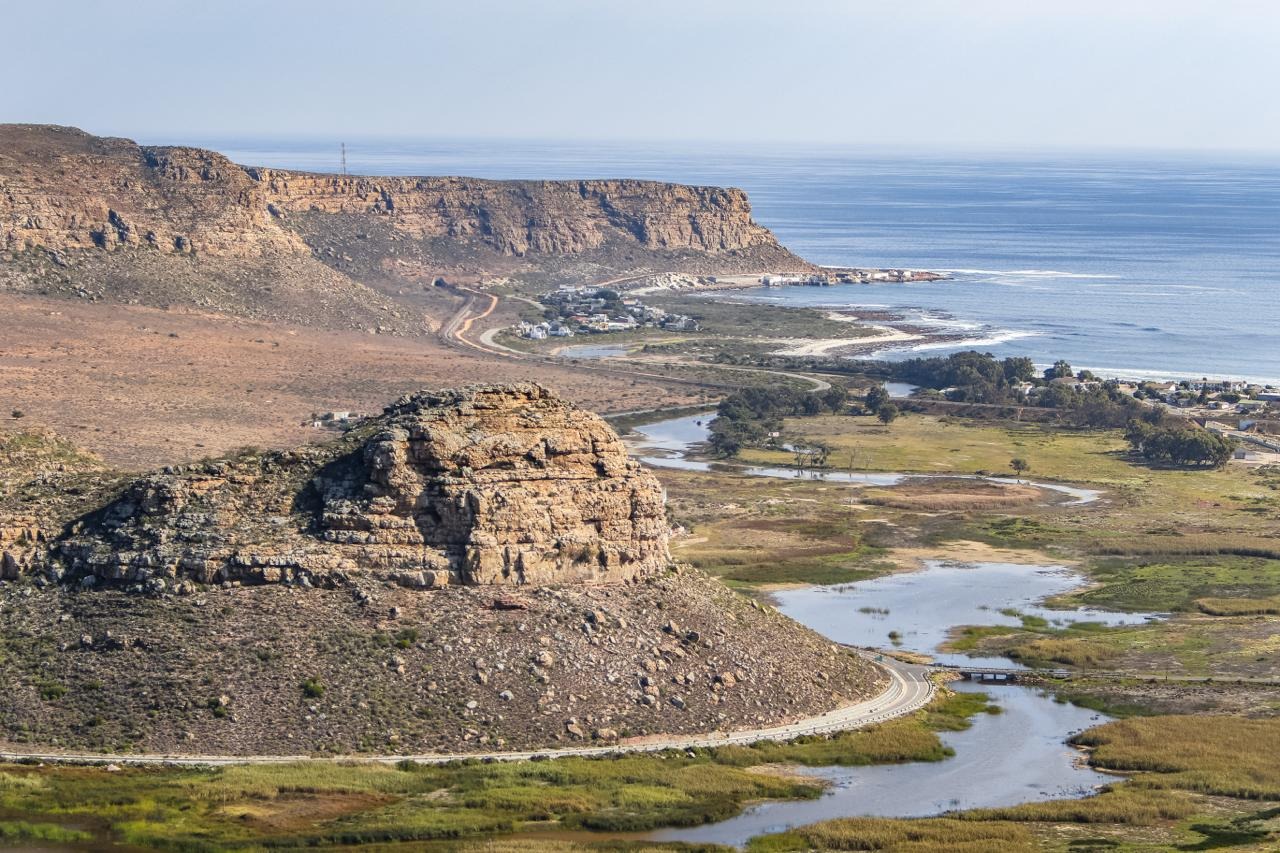
I’ve been coming to South Africa since 2001 and had travelled up the West Coast many times before making this film. I knew it was an incredibly beautiful part of the country, but I had very little idea about the scale of mining. That changed when I started following PTWC on Instagram. Suddenly I was seeing post after post about new mining applications. I realised that many of these pristine places I’d visited were under threat, and that made me want to learn more.
How did the ‘Out of Mined’ project come about?
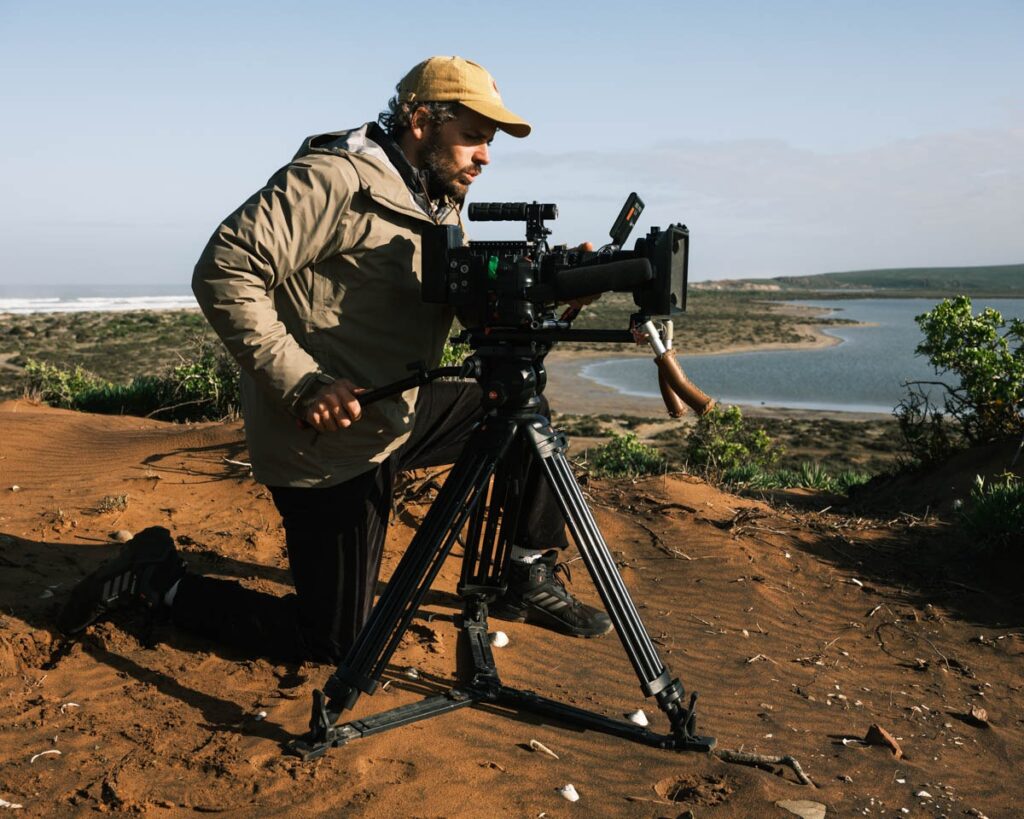
After following PTWC for a while, I started researching the topic, watched their previous documentary, and listened to a podcast with Dom de Jesus from Run West. Through (PTWC Chairperson) Camila, who lives in the same village as me, I was introduced to (MD) Mike Schlebach. Not long after meeting Mike, he invited me on a trip to the Alexander Bay area. That trip changed everything.
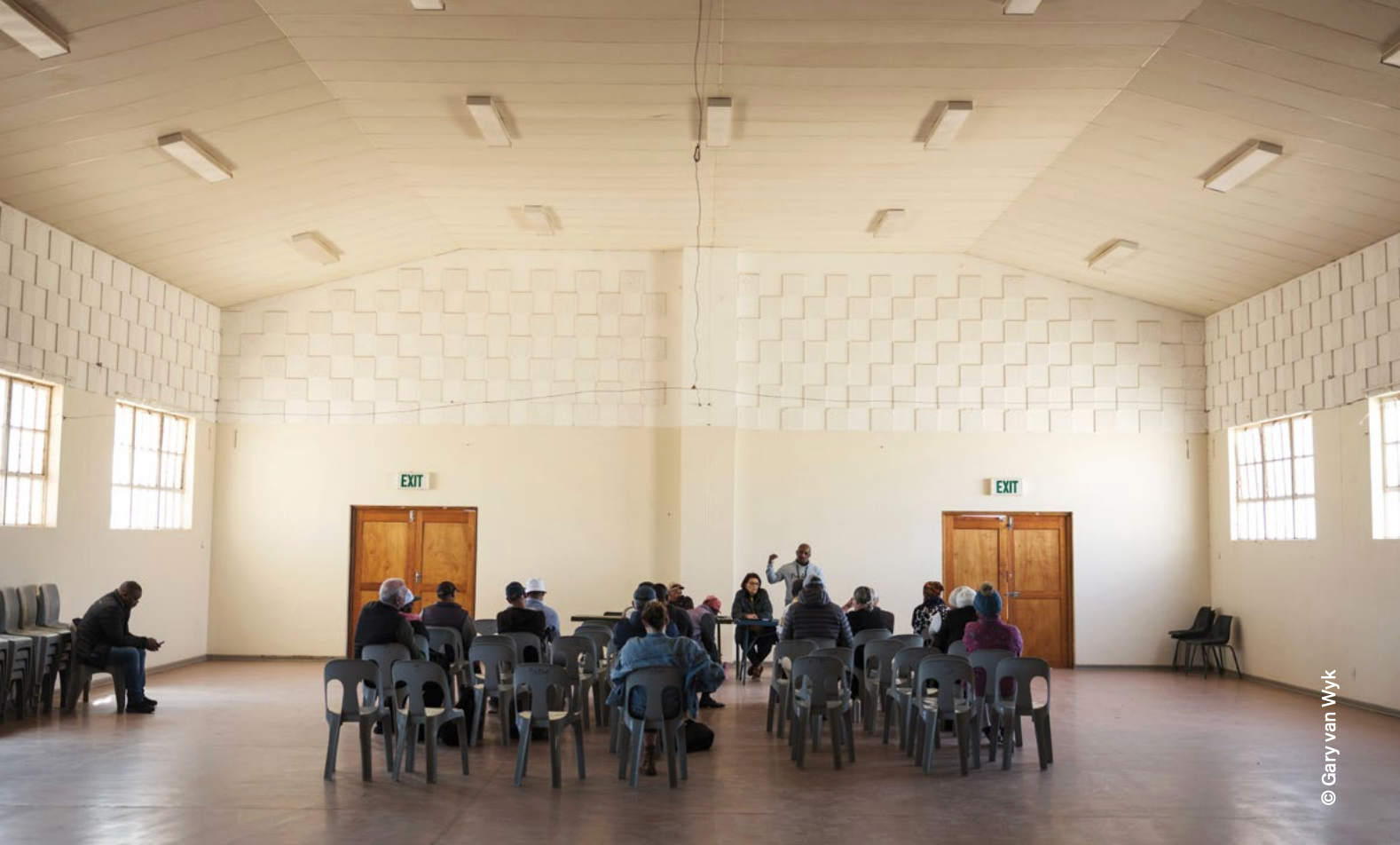
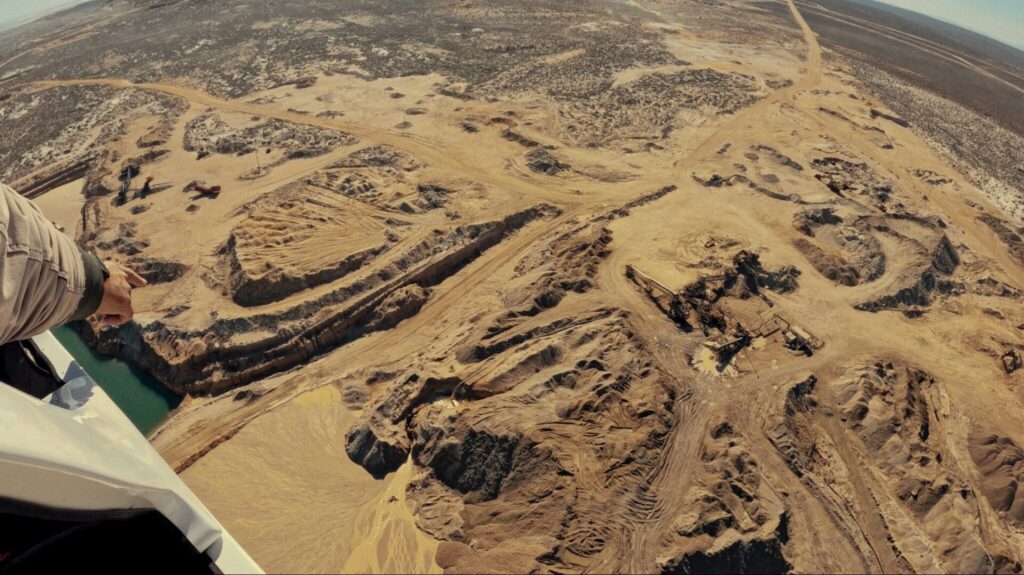
Seeing the destruction with my own eyes and meeting the local communities made me realise that this issue was far bigger than I had imagined. We drove through scarred landscapes that had once been beautiful coastal ecosystems. It was shocking. At that point I knew I wanted to use my filmmaking background to make a documentary to create awareness about what was happening on the West Coast.
On the many trips up the West Coast to film, what things did you not expect?
I’d never been to the Richtersveld and it completely blew me away. It is such a special place with landscapes I had never seen before. A highlight was Pieter van Wyk, an award-winning botanist who introduced us to this extraordinary landscape. He explained how the Richtersveld has a higher plant diversity than the Amazon when measured per square metre. Walking through the desert with him completely changed the way I looked at the landscape. Without someone like Pieter, you don’t realise how many unique plant species you’re walking past.
I also found it difficult to understand why mining was taking place inside a National Park. Later I learned that many of the mining rights existed before the park was formally established, which makes it a complex and sensitive issue.

Overall, what was the most memorable experience? You mentioned Pieter van Wyk, but there are some other great characters in the film.
There were so many. Filming with Lolly and Sergio from the Sanddrift community was incredibly special. They were so proud to share their culture with us. Watching the Nama Stap dancers perform in the desert with active mining sites in the background was one of the most powerful scenes of the film. They’re facing the loss of their language, culture and identity, yet there is so much pride and resilience.
Another unforgettable moment was when Lolly introduced us to his uncle, a traditional shepherd who is gradually being pushed out of his ancestral grazing grounds. Those were the moments I think have the most impact in the film. They weren’t planned. They simply unfolded in front of the camera. That’s the beauty of documentary filmmaking.
What were the most challenging parts of the filming process? Funding or building community trust to film interviews for example?
Funding was definitely one of the biggest challenges. Building trust was actually easier than we expected. There was one occasion where a community stopped one of our interviews because they weren’t sure who we were or why we were there, but apart from that we were welcomed almost everywhere.
I think working closely with PTWC made a huge difference. They introduced us to many incredible people, helped us understand the region, and supported us in raising the funding needed to make the film. We’re incredibly grateful for that partnership.
How did surfing fit into the film, both in terms of the origins and activism of PTWC as well as how surfers are often at the forefront of coastal environmental activism?
We wanted to tell this story through different communities, and the surf community is one of them. PTWC has strong roots in surfing, and surfers often have a deep connection with the coastline because they spend so much time in the ocean. But the film was never meant to be about surfing. Surfing became one perspective within a much bigger story about protecting a coastline that so many different communities care deeply about. Equally, if not more important, were the voices of the communities and individuals from the West Coast.
Was it a challenge to strike a balance between voices of the surfers and the other outside activists, and the local communities in the film?
Yes, very much so. The livelihoods of the surfers and runners in the film don’t depend on the West Coast in the same way that fishing communities, farmers or Indigenous communities do. We were very aware of that throughout the editing process. It was important to us that the people whose lives are directly affected by mining were given the strongest voice. Finding that balance took a lot of time and many discussions, but I think it was essential.
What about the interview with the Trans Hex CEO Marco Wentzel? Tell us how that came to be and why you included someone from the mining industry in the film?
I think it’s important to tell stories from multiple perspectives. That makes for a stronger and more balanced documentary. I emailed the CEO of Trans Hex and was pleasantly surprised when he invited me to their offices. He took the time to show us around before sitting down for the interview. Whether people agree with him or not, Trans Hex has played a major role in the history of mining on the West Coast, so it felt important that audiences heard directly from the company.
The film was in development for almost a year. What were the biggest challenges in distilling it all into 63 minutes?
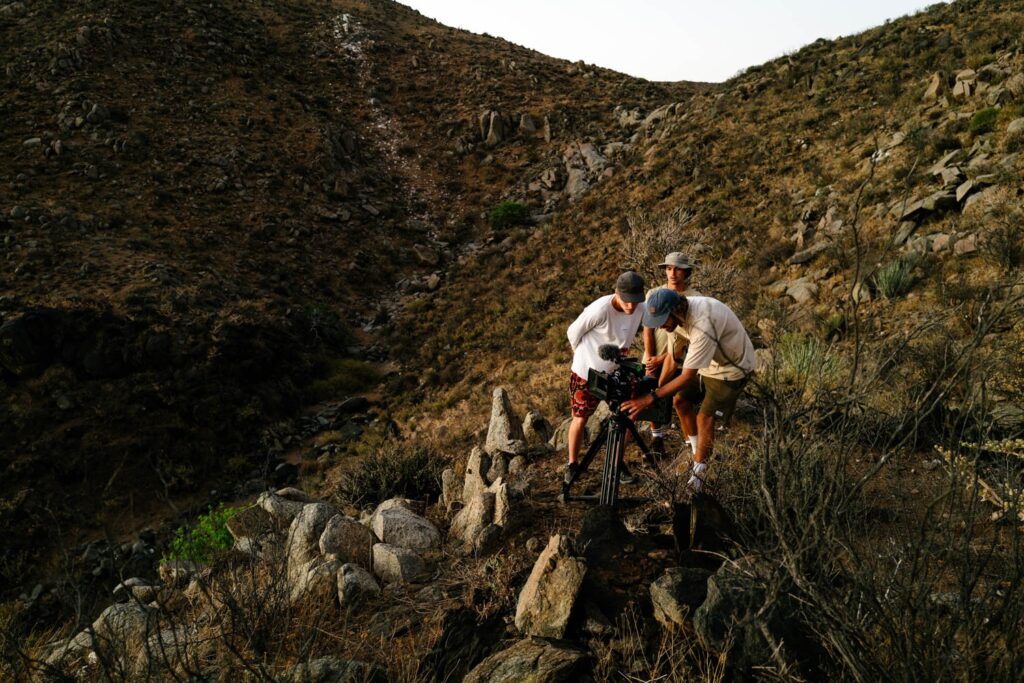
The biggest challenge was deciding what to leave out. We had over 20 terabytes of footage and interviews with so many incredible people from different communities.
After living with the project for so long, it becomes very difficult to be objective. Sometimes you simply need fresh eyes to help you decide what’s essential and what isn’t. The test screenings were incredibly valuable. Receiving feedback from so many different people wasn’t always easy, but it definitely helped us make a stronger film.
What do you hope to achieve with the film? It has been very-well received so far, and of course has won a Cannes Film award, and it’s only been a few weeks. Where do you hope to take ‘Out of Mined’ from here and what impact are you hoping it will have?
I hope the film continues to reach bigger audiences, both here in South Africa and internationally. Ultimately there are two things I’d love to achieve. On a local level, I hope the film helps influence the people who make decisions about mining and contributes to better policies that protect what remains of the West Coast.
On a global level, I hope people will stop buying diamonds for their loved ones. Or at least buy lab grown diamonds. Today, lab-grown diamonds are chemically and visually identical to mined diamonds.
The film has had several sellout shows at the Labia, with demand from many others to screen it locally and internationally, and has obviously really captured people’s imagination. Why do you think this is?
I think many people simply didn’t realise how serious the situation on the West Coast has become. It’s literally out of sight, out of mind for most South Africans. I also think people connect with the human stories. The film isn’t just about mining. It’s about people, culture, identity and our relationship with nature. That’s what seems to resonate emotionally.
What do you think people who have watched the movie and are motivated to help PTWC’s cause can and should do?
I’d love for people to join the movement. Whether that’s through supporting PTWC, making a donation, taking part in public participation through their digital platform Ripl, sharing the film with friends, or simply talking about what’s happening on the West Coast. The more awareness we create, the stronger the movement becomes.
What is next for you? Do you hope to continue your involvement in the West Coast and in helping PTWC personally?
I’d love to continue telling stories from the West Coast. Maybe not another feature documentary, but shorter portrait films about the incredible people doing inspiring work there. There are still so many untold stories that celebrate the beauty of the region and the people who are protecting it.
Any last words?
If you’ve never been, plan a trip to the West Coast. Go for a run with Run West. Camp in Namaqualand. Visit during flower season. Spend a few days in the Richtersveld National Park. It’s one of the most extraordinary places I’ve ever visited, and I think once you’ve experienced it for yourself, you’ll understand why so many people are working so hard to protect it.
If you would like to screen ‘Out of Mined’ in your community, please contact: outofmined@protectthewestcoast.org
See the trailer of Out of Mined here:
PTWC’s digital platform Ripl simplifies the public participation process so that ordinary people can easily monitor and comment on mining applications.
Sign up to ensure your voice is heard.