Richwill Diamonds is the same company against which a case of trespassing was filed in late November 2024 by Braam and Therese Nieuwoudt, the owners of a nearby farm ‘Waterval’ (Strandfontein 559) just across the provincial border in the Northern Cape, for allegedly prospecting for diamonds on their property without their consent.
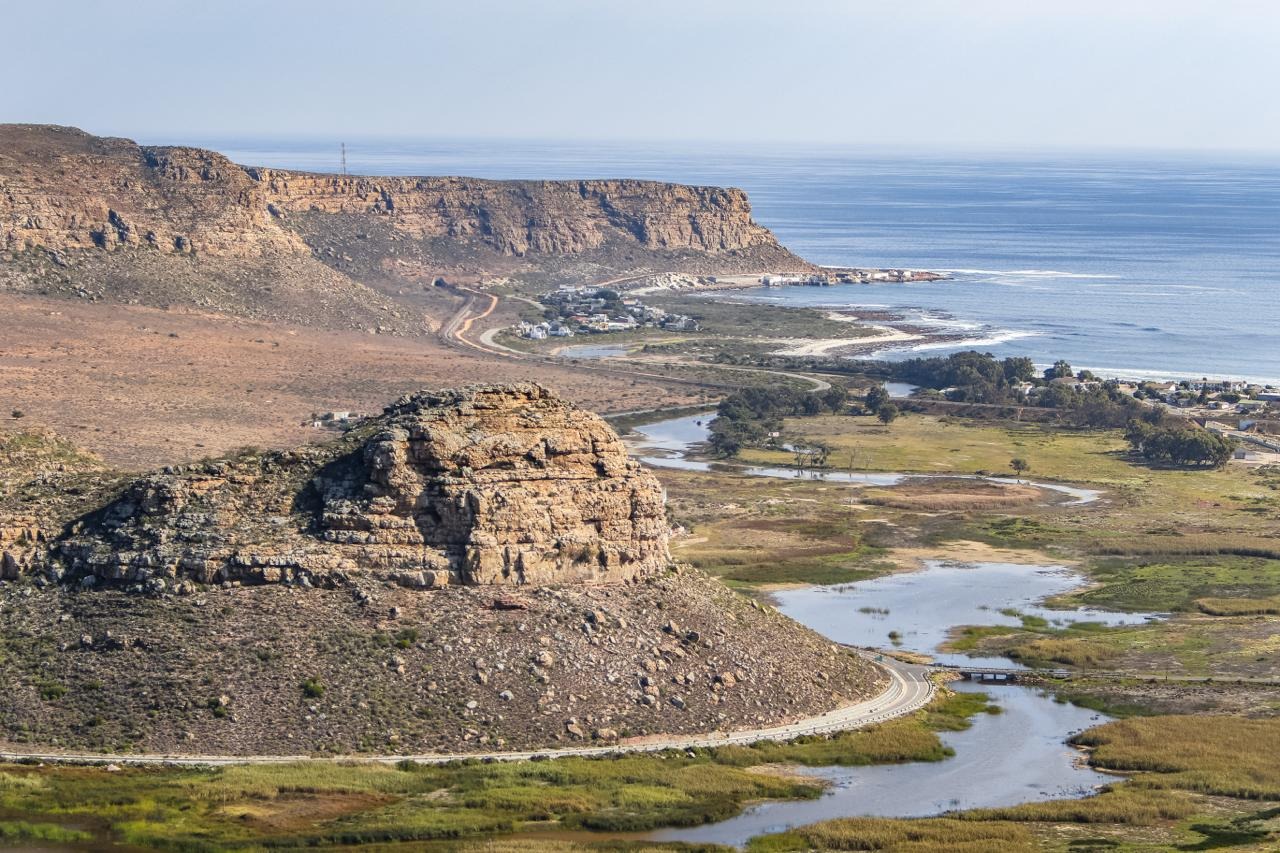
Richwill has also submitted a Prospecting Application (NC 30/5/1/1/2/13464 PR) to prospect for diamonds on Waterval and a neighbouring farm Tities Baai 560 in the Northern Cape, the outcome of which is still pending. The reopened application (WC 30/5/1/1/2/10430 PR) covers the Western Cape segment of their pursuit for diamonds across the coastal zone of both provinces, an environmentally sensitive area increasingly being targeted by mining companies.
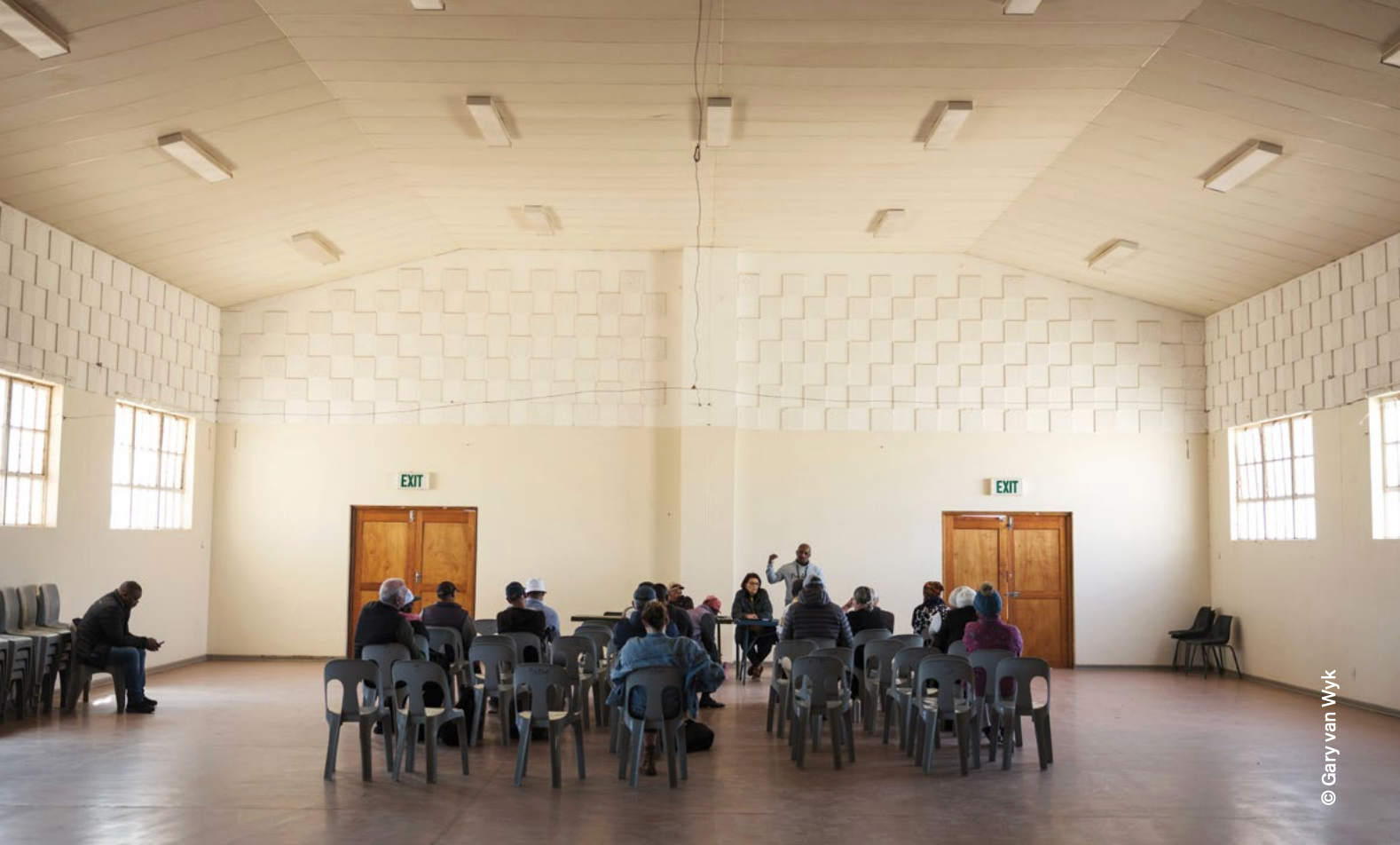
The initial application process for an Environmental Authorisation (EA) submitted in 2022 was appealed due to fundamental flaws in the initial Public Participation Process (PPP), among other environmental concerns. The Minister of Fisheries, Forestry and the Environment (DFFE), Dion George, ordered that the Basic Assessment Report (BAR) be resubmitted for approval and that the PPP be conducted according to the Environmental Impact Assessment (EIA) regulation requirements.
Moreover, when the PPP reopened, PTWC requested to be registered as an Interested and Affected Party (I&AP), but was informed by Richwill’s Environmental Application Practitioner (EAP) that the follow-up PPP was only intended for the Afrikaans-speaking individuals, who had been excluded from the original process due to language and literary constraints.
This approach is neither lawful nor justifiable and completely misinterprets the directive issued by the Department of Mineral Resources and Energy (DMRE) and runs counter to the purpose of the PPP. This point was raised with the EAP and PTWC was then registered.
The invasive prospecting activities proposed by Richwill entails the construction of up to 20 prospecting pits in the Surf Zone, over 8 kilometres adjacent to an area classified as Critically Endangered Namaqualand Seashore. PTWC was pleased to note that although the DMRE granted Environmental Authorisation they have only permitted non-invasive activities, at this stage, due to the lack of Marine Ecology and Terrestrial Biodiversity specialist studies.
With the area listed as a Critical Biodiverse Area, housing numerous Species of Conservation Concern (SCC), PTWC remains concerned about the ecological impacts should the invasive prospecting phase be approved in this new round of decision-making and the ongoing cumulative impacts of yet another prospecting application, and ultimately mining application, being granted in this area.
“Since the public is being invited to offer comments on the BAR again, it is imperative that the public raise their concerns regarding the proposals in the BAR as it stands,” urged PTWC MD Mike Schlebach.
As part of the legal requirements of the authorisation process, please sign up as an Interested and Affected Party (I&AP) to review, comment on, object to and receive future information regarding the application by Monday, May 19.

Schematic illustration showing parameters of proposed prospecting pits
Strong Concerns
Upon detailed review, PTWC discovered this application is rife with apparent inconsistencies and irregularities that we believe should result in the Environmental Authorisation being denied.
Firstly, the application was reopened following the appeal regarding the lack of a public meeting and translated documents in Afrikaans, and having missed the first opportunity to register as an Interested and Affected Party (I&AP), PTWC used this opportunity to submit our request. What followed raised serious concerns about transparency and legality of this application.
PTWC was told that the follow-up PPP process was only intended for the Afrikaans-speaking individuals and not open to new I&APs. This stance is deeply problematic — especially considering that the DMRE had acknowledged that the original PPP was fundamentally flawed due to its failure to accommodate language accessibility and proper engagement.
Following a strongly worded email from our legal team and a warning that PTWC is willing to take all the necessary steps to enforce its rights, we were sent all the relevant documentation as requested. This prompted the re-opening of the PPP to all members of the public, thanks to PTWC taking action and highlighting the shortcomings of this application.
Furthermore, PTWC is pleased to see that in the first round, the DMRE has refused EA for invasive prospecting activities due to the lack of specialist studies in this Critical Biodiverse Area. The initial claims made in the BAR that: “A risk decision may be made to skip phases of the process for example the project may proceed to feasibility and mining directly from the preliminary evaluation stage,” are no longer the case as Marine Ecology and Terrestrial Biodiversity specialist studies are required before any prospecting pits can be constructed or pre-bulk sampling can be conducted. We trust that DMRE will issue a similar decision in this second round of application.
Despite only non-invasive prospecting activities currently being allowed, PTWC experts remain concerned about the ecological and cumulative impacts of invasive prospecting activities that are proposed in this application should invasive methods follow.
Digging up the Surf Zone will destroy important feeding grounds of shorebirds, such as the Cape cormorant (Endangered) and African Black Oystercatcher (SCC). Available habitat for the Southern black korhaan (Vulnerable), another SCC, is also under threat. Accessing prospecting sites with vehicles above the highwater mark will disrupt these birds and threaten their nests.
It is important to note that this bird in particular is frequently listed by the Department of Environmental Affairs (DEA) Screening Tool as highly sensitive, and ongoing mining applications along the West Coast further fragment their available habitat, adding to the cumulative impacts of mining on the West Coast.

The application BAR also indicates that sandy beaches are highly dynamic, less sensitive to disturbance, and recovers quickly from mining operations, citing a paper published in 2014 by Pulfrich and Branch. This paper however, highlights that the intertidal faunal community drastically changed at mined beaches in Namibia, showing lower diversity, abundance, and biomass, compared to beaches that weren’t mined.
The lack of monitoring the lasting impacts of prospecting and mining activities on West Coast sandy beaches and near shore environments is a matter of grave concern to PTWC.
“Intensive, site-specific research is required to assess whether sandy beaches recover fully from mining – and not simply assume that the dynamic nature of the intertidal zone alone is responsible for such recovery,” said PTWC MD Mike Schlebach. “We encourage you to sign up to our public participation platform Ripl and comment on this application to make your voice heard.”
View the BAR, EMPr and associated appendices and register as an I&AP on Ripl: