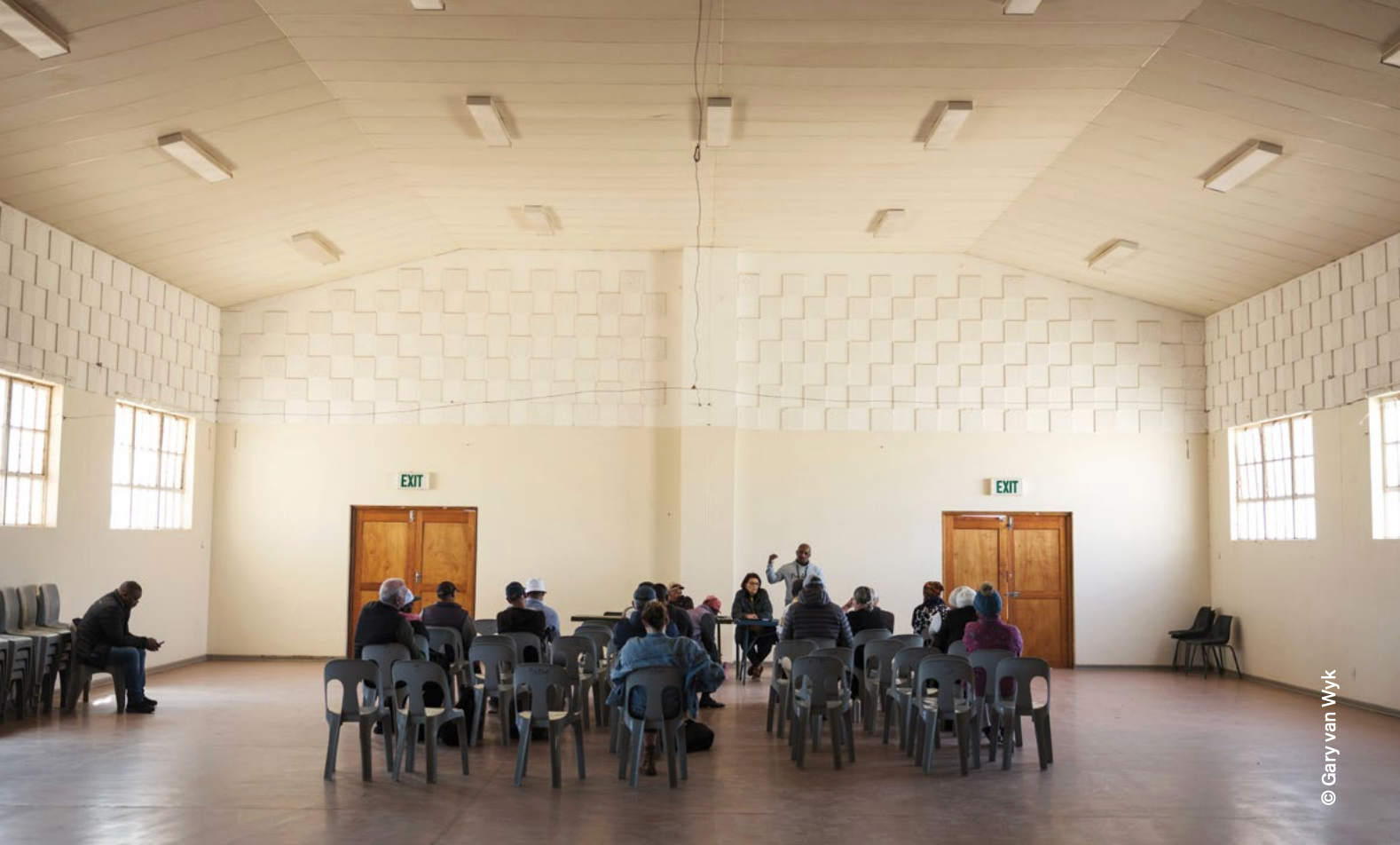
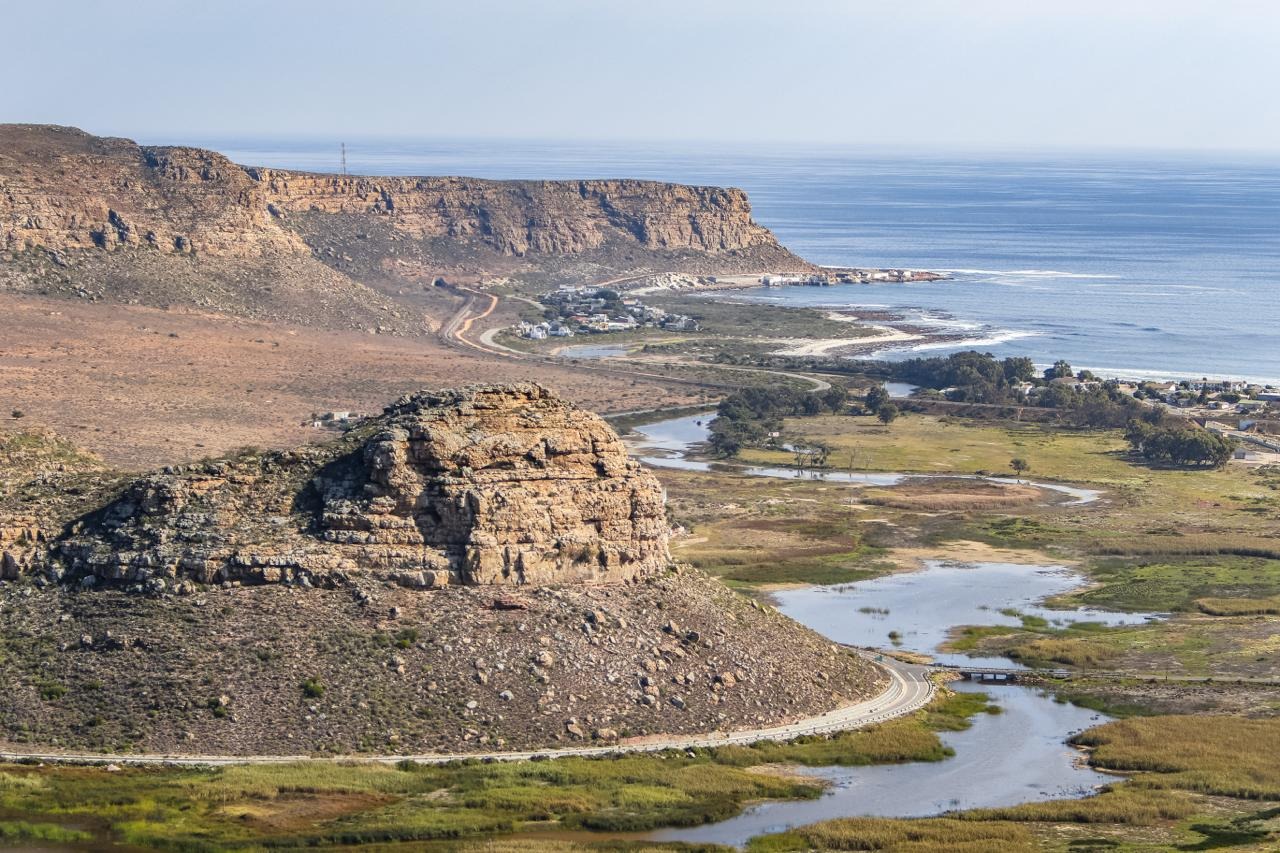
Concerns about under-performing rehabilitation at the Tronox West Mine, and encroachment into a Critical Biodiversity and Ecological Support Area that is home to the rare Black Harrier, led to a surge in comments on the Ripl.co.za platform.
Of 59 comments made on the application, all 56 public comments appeared on Ripl, after scientists and other experts expressed concerns about the application by Tronox for Environmental Authorisation (EA) to build ‘West Residue Storage Facility 7’ (WRSF 7) at their West Mine with a total footprint of about 285 hectares (ha).
The other three comments were from government agencies – the West Coast District Municipality, Matzikama Local Municipality, and the Western Cape Department of Environmental Affairs and Development Planning.
Without Ripl, there would have been no engagement from the public on this application.
Public Participation is mandated by the government as an important part of the mining application process, and yet this begs the question: in the decades of mining and prospecting applications, how many have slipped totally unnoticed by South African citizens prior to the establishment of Ripl?
Apart from encroaching on the biodiversity area, Tronox intends to mine the remaining footprint intended for WRSF 7 that includes a portion of intact vegetation in the southern parts of two blocks (7A and 7B) for which they hold the necessary mining right and authorisation (See below).

PTWC experts noted a claim in the Site Sensitivity Verification Report (SRK Project Number: 610493) proffered by Tronox around the environmental impact the facility would have on the habitat of the Red Data-listed Black Harrier (Aves-circus maurus). The Black Harrier is reported by Birdlife South Africa as “the scarcest endemic raptor in southern Africa” with “an estimated global population of about 1000 mature individuals”.
The harrier’s “Animal Species sensitivity” was listed in the Screening Tool Report as “High” due to its “potential suitable habitat”. However, because construction of the facility meant that the entire footprint would “be wholly located in a mined out area” as per its existing Mining Right and Environmental Management Programme (EMPr), the “animal Species sensitivity is therefore deemed to be low”.
PTWC is deeply concerned about this claim, which appears incongruous to any consideration of the cumulative impacts of ongoing biodiversity and habitat loss from continuous mining, and not least over habitat of such a rare species of bird. This concern can no longer be ignored, especially since the original EMPr was provided more than 10 years ago.
Rehabilitation concerns by PTWC experts centre on the indication in the Final Scoping Report (FSR) – number WC-00099-MR/102 – that conceded the damage wrought by open-cast strip mining: “Opencast mining results in the complete loss of established vegetation communities”.
Under the heading Rehabilitation Progress and Success to Date, the FSR even stated that achieved rehabilitation objectives fell short of the required thresholds.
According to the FSR, “the diversity of species and number of functional groups of these plant communities are below baseline levels” while “species diversity scores are still below rehabilitation objective thresholds with only 17 (48%) of rehabilitation sites considered as species diverse as the least diverse reference site, and only 16 (45%) sites have achieved an abundance equal to the lowest reference score.”
The FSR also stated that “there has been little to no change in both plant species richness and abundance across the rehabilitation sites”, and conceded that “rehabilitation will require a long period of time before being considered successful”.
According to the South African Biodiversity Institute (SANBI), open-cast strip-mining, similar to the Tronox West Mine operation, has been identified as the main culprit in scattering populations of vulnerable or endangered plant and animal species endemic to the West Coast.

“The West Coast is vast and underexplored, with mining applications easily flying under the radar of the public. We appreciate the collective effort from our supporters, and further encourage the public to sign up to our public participation platform Ripl and engage with mining applications to make your voice heard,“ said Mike Schlebach, MD of PTWC.
Mining applications cumulatively place the West Coast under threat, which is why PTWC encourages the public to register as an Interested and Affected Party (I&APs) and submit comments regarding all applications according to proper scientific evidence, which Ripl PTWC will collate to assist people in making the accurate and informed comments.
“It is only through collective action and a unified front that we can dissuade the authorities from allowing unlawful or harmful mining to go ahead,” said Schlebach.
Sign up to Ripl for updates on future mining applications