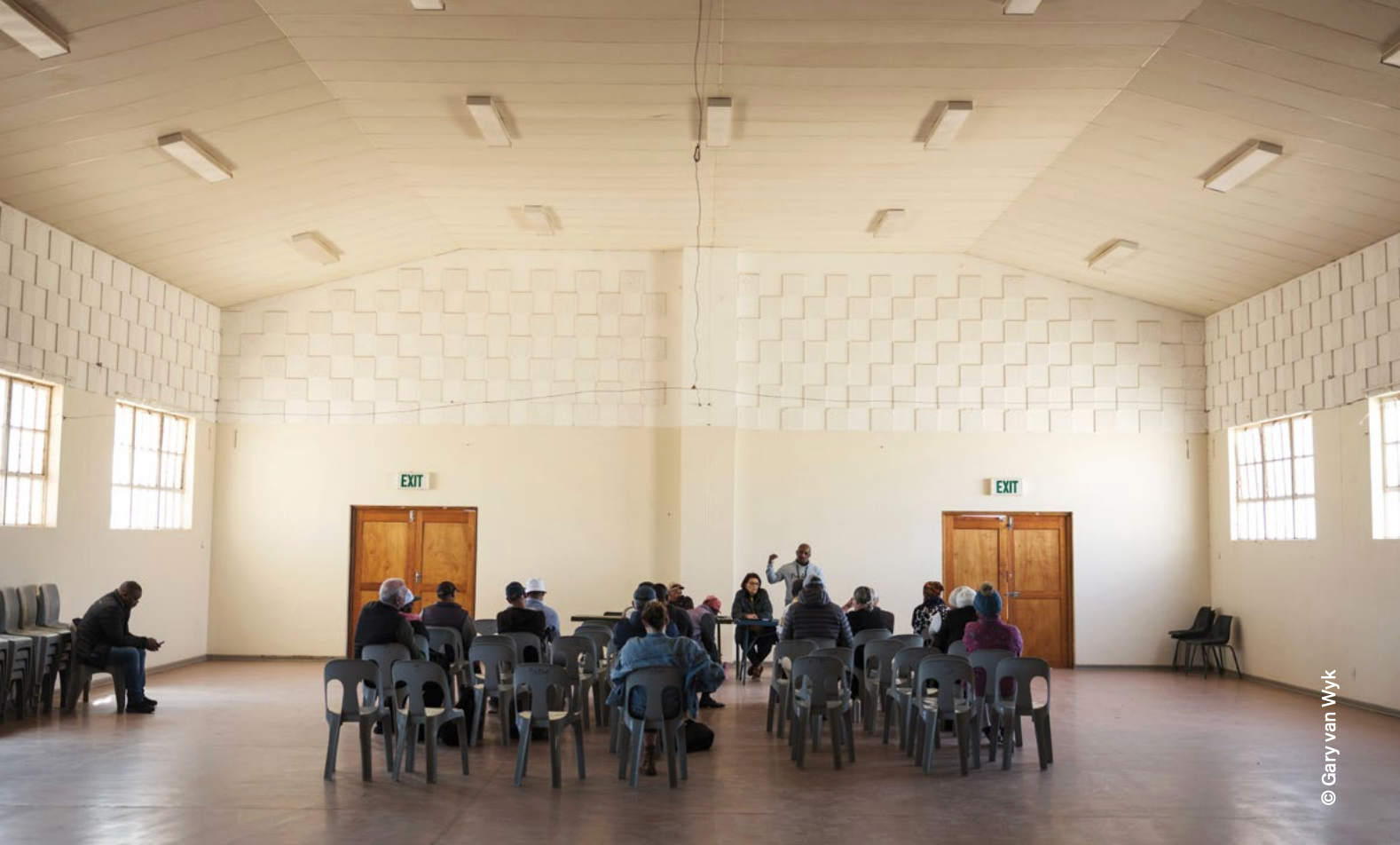
In an example of why even what may appear to be low impact prospecting applications should be scrutinised, PTWC maintains that an Environmental Authorisation (EA) awarded Cape Nickel Ventures to prospect for minerals in the Northern Cape.
The PTWC legal team contends that the manner in which the EA was granted, in the absence of a site-specific avifaunal study of the impact on bird life by drone surveys raised legal and procedural concerns that serve to undermine public participation on expert input as part of the application process. This ultimately results in a failure to adhere to the requirement that expert input must be considered prior to decisions made under the National Environmental Management Act (NEMA).
NEMA requires that all relevant information in prospecting or mining right applications must be disclosed to Interested and Affected Parties (I&APs) as part of the Public Participation Process (PPP) before an EA can be granted. The purpose is so that the impact of invasive, non-invasive, destructive, or non-destructive activities on the environment can be assessed in full.
The final Basic Assessment Report by Cape Nickel Ventures, who applied to prospect for nickel, copper, cobalt, platinum and gold, acknowledges that: “No high or low altitude drone survey may be undertaken without prior specialist study in respect of the expected impact of the drone study on avifaunal environment. Such study must be completed prior to any drone survey taking place.”
PTWC has stated in support of the appeal that if drone surveys are planned, and the Basic Assessment Report specifically says they are, any specialist study must be submitted as part of the application – no prospecting right or EA should be granted until the effects on sensitive birdlife are properly understood by the decision maker and the public.
This is particularly important because the prospecting area overlaps Critical Biodiversity Areas (CBAs) and Ecological Support Areas (ESAs). Birds of high and medium sensitivity – such as the Southern Black Korhaan, Verreaux’s Eagle, Black Harrier, Ludwig’s Bustard, and Secretary Bird – are all residents of the area, which are also breeding grounds.
One of the reasons the habitats of these bird species are under threat throughout the West Coast is because of the sheer number of prospecting and mining right applications which are submitted and approved by the Department of Mineral and Petroleum Resources (DMPR). In this broader environmental context, the DMPR has not properly considered all relevant and cumulative environmental impacts and risks with the proposed activity before it granted the EA.
Legal and environmental implications
The authorisation granted by the DMPR did not include the avifaunal specialist report, but stated that such a report must be obtained. However, the DMPR cannot grant authorisations without the required report being in front of them when they make a decision. This precludes the public and stakeholders from commenting on the report, and mitigation measures as required in the authorisation. If decisions continue on this basis it could set a dangerous precedent where specialist reports are obtained after the fact, which renders critical impacts an afterthought.
Additionally, if the prospecting yields positive results, this will lead to mining and potentially further habitat loss of these species, many of which collectively face similar pressures in other parts of the West Coast.
It was with these legal and environmental concerns that PTWC filed the appeal against the EA.
“Our appeal is a stand for lawful decision making and for the right of communities and civil society to meaningful participation in decisions that affect the West Coast”, said Patrick Forbes, head of legal at PTWC.
“If our appeal is successful, we have asked that the EA be set aside and that the EAP be directed to conduct the required site specific avifaunal study, present the findings to I&APs for comment, and only then, once all relevant information is properly before the public, may the DMPR make a final decision on the prospecting application.”
A successful appeal would reopen opportunities for public participation and further chances for members of the public to register as I&APs and comment through PTWC’s RIPL portal.
Watch this space, register on Ripl, and stay engaged. There may still be an opportunity for you to add your voice.
Sign up to Ripl: