In an appeal against the Environmental Authorisation (EA) granted to the company Vast Mineral Sands for a huge mine near Port Nolloth in Namaqualand, PTWC has cited crucial flaws in the Public Participation Process (PPP) of the application, which contained a severely inadequate rehabilitation budget, and substandard revegetation plan that was likely to fail.
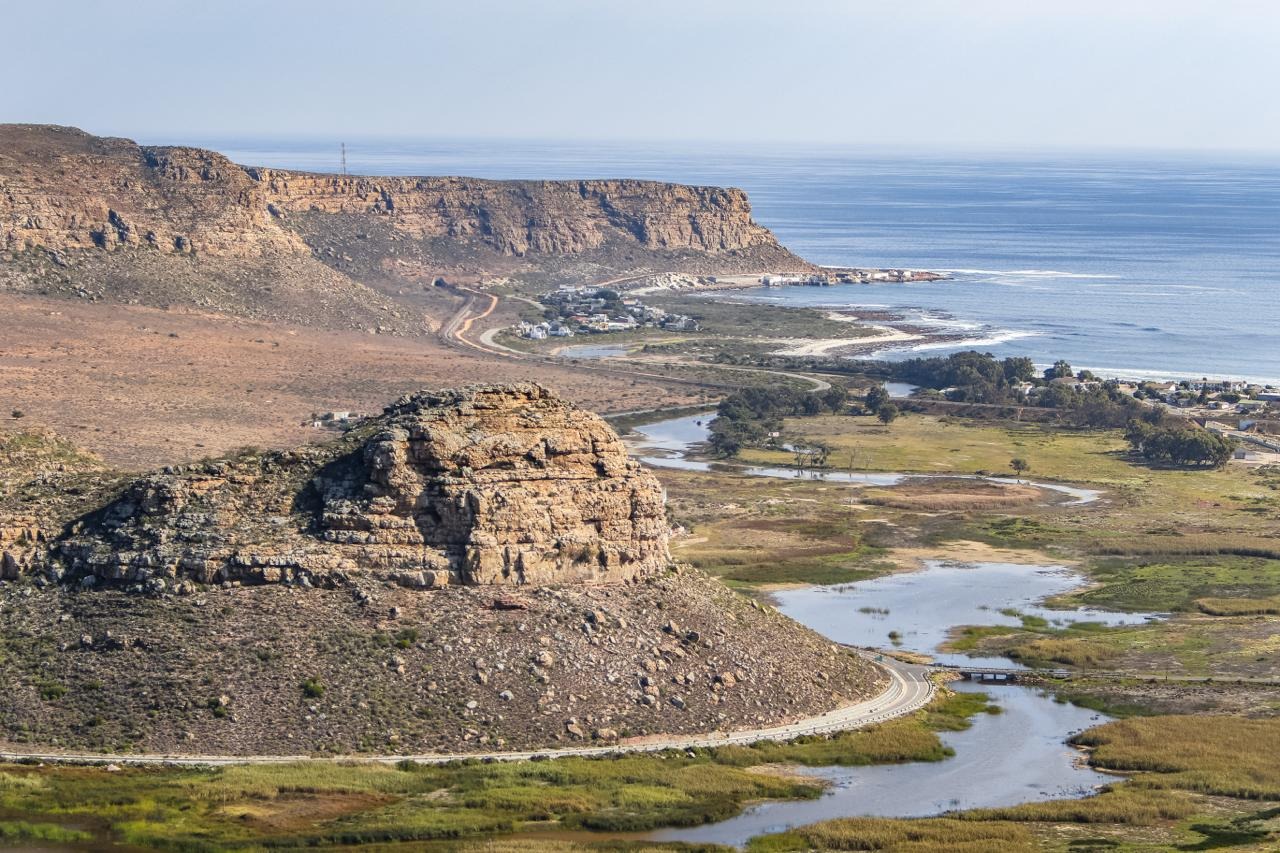
The scale of the proposed mine that the Department of Mineral and Petroleum Resources (DMPR) has approved on the coast south of the Orange River is staggering. The total extent is 84,000 hectares, with up to 5,000 ha likely to be mined, with 900 tonnes of earth moved every hour by seven Articulated Dump Trucks running up to three eight-hour shifts per day.
This equates to an estimated 480 truck trips every 24 hours – putting severe pressure on dirt farm roads, excessive noise pollution, and massive diesel consumption with concomitant carbon emissions. There was a heightened risk of accidental fatal contact with resident fauna, including birds, tortoises, rodents and small mammals.
The PTWC team said that the financial provision for rehabilitation was woefully inadequate, with only R1.2 million set aside for this purpose, while neighbouring operation Whalehead Minerals had budgeted more than R6 million for similar work.
PTWC scientists warned that Vast’s Environmental Management Programme (EMPr) and Environmental Impact Assessment Report (EIAR) failed to provide the most basic, site-specific detail on topsoil handling and wind-erosion control, including stockpiling limits, protection measures, windbreak design and associated costs, despite wind erosion a primary driver of ongoing and secondary degradation in Namaqualand.
In addition, there was an assumption made that natural vegetation would re-establish within six months but this was not backed by scientific evidence. The application also lacked a credible, planned seed-based restoration strategy, omitting seed sources, quantities, viability standards, and timing. The environmental reports did not appear to take into account peer-reviewed research and specialist input that showed functional ecosystem recovery in this region could take decades, and was dependent on carefully planned use of locally adapted indigenous seed.
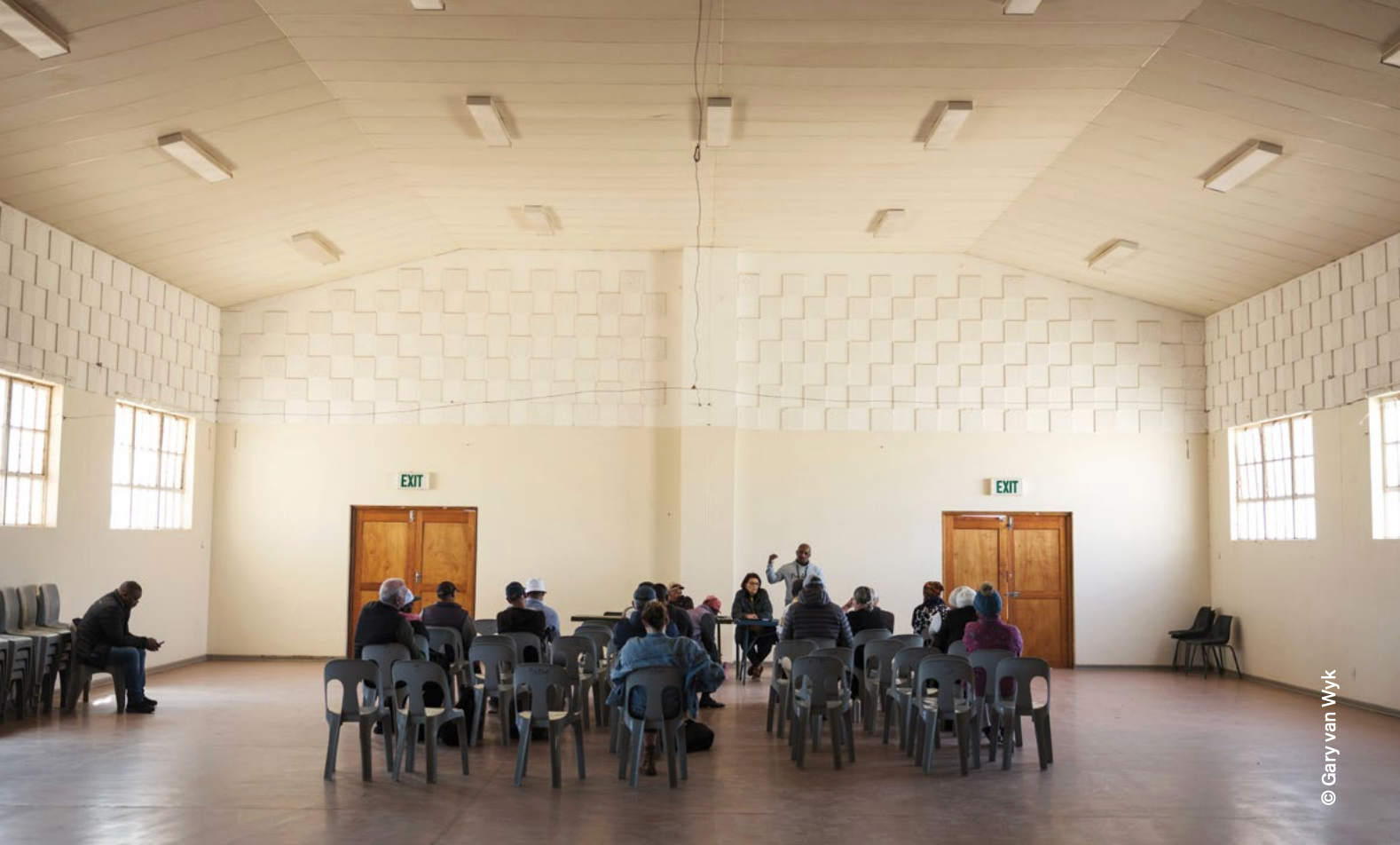
The PTWC appeal referred to the approval process for the application that included public meetings in Alexander Bay and Port Nolloth, which were meant to give affected people a chance to understand Vast’s plan. However, one meeting was attended only by environmental students from the youth centre where it was held, with no local community members present. The second meeting attracted no-one at all.
The company had relied on small signs tied to fences in remote parts of the area around Port Nolloth and Alexander Bay – a tactic PTWC has seen used repeatedly in mining applications, when notices are placed on fences in the middle of the veld where few people pass. There was no real effort to engage those most affected.
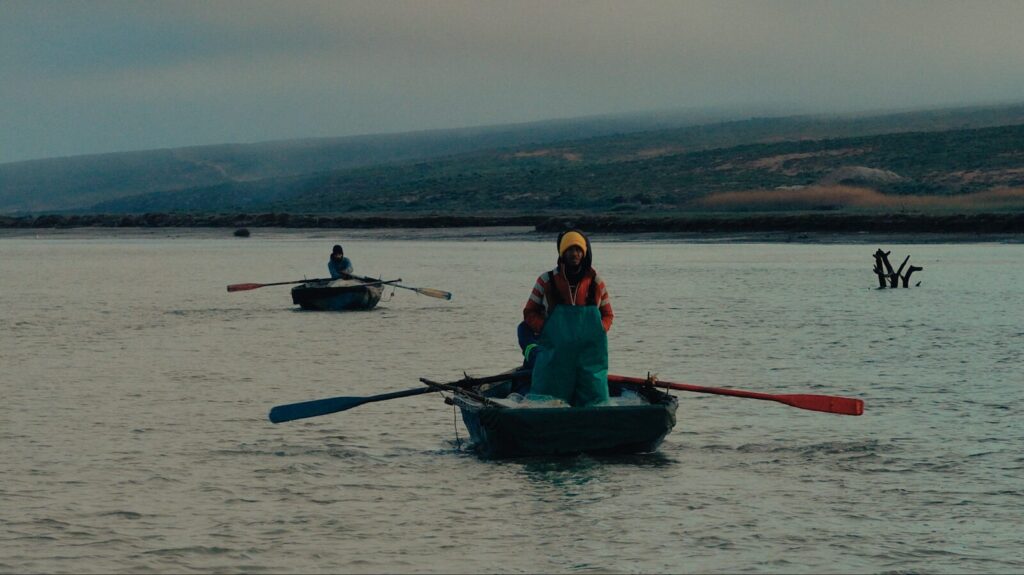
For fishing families, coastal workers, and residents without reliable internet access, this was not meaningful consultation but a box-ticking exercise. Unsurprisingly, key stakeholders, including the Aukotowa Fishing Primary Co-operative, were never properly consulted and, like PTWC, only became aware of the authorisation after it had already been granted. The Aukotowa Fishing Primary Co-operative has since lodged its own appeal.
Vast Mineral Sands has estimated its annual fresh water requirements at 17.9 million cubic metres. That equates to 49 million litres of fresh water being consumed on a daily basis.
PTWC’s scientists were concerned that a surface and groundwater study commissioned by Vast Mineral Sands in 2017 indicated freshwater potential was considered low. A water shortage indicated the likelihood of a desalination plant being built. PTWC scientists were surprised that EA was granted without a realistic plan for how the water would be obtained. The EMPr contained no mention of a desalination plant.
Head of Legal at PTWC Patrick Forbes said the appeal was about more than paperwork. It was more about whether the communities who live and depend on this coast for survival had been treated as partners in decision-making – or as obstacles to be managed – or even worse, sidestepped and ignored.
“Our appeal is about whether massive industrial projects can be approved by the DMPR without realistic water plans, proper rehabilitation funding and without listening to those most affected.
“It is about whether environmental protection laws are enforced in practice, not just on paper. In this application, communities were not meaningfully consulted, critical information was missing, and the environmental risks were downplayed.
“This appeal is about restoring transparency, accountability, and fairness to the process,” Forbes said.
If successful, the appeal will require that the project goes back to the drawing board, with proper consultation, full disclosure, realistic planning and credible rehabilitation measures.
Watch this space.
Sign up to Ripl, www.ripl.co.za, and make your voice heard. Public participation only works when the public gets involved.