Blog update (26 March, 2026): In the original article published on 4 March, 2026, PTWC incorrectly referred to one of the prospecting applicants below as Umbuso (Pty Ltd). This applicant is in fact the Umboso Group. We have updated this information below and apologise for the error.
At least 48 new prospecting applications submitted in the Northern Cape and Western Cape over the first two months of 2026 have raised concerns about what lies behind this sudden flurry of new mining activity, as well as potential large-scale cumulative degradation, especially if these applications evolve into mining rights.
Of the total, 34 applications have targeted the Northern Cape and Namaqualand, and 14 have been lodged in the Western Cape, of which seven fall within the scope of PTWC, but there is insufficient information to comment on these at present.
Although some of the applications in the Northern Cape fall outside PTWC’s primary focus – a cluster of 20 applications linked to one director has been made in an area that broadly includes Upington, Kathu, Douglas, Kakamas and Kuruman – collectively they represent an alarming example of a broader escalation of prospecting activity in the region.
The company Samxon Mining and Engineering (Pty) Ltd, which has a Mpumalanga-based director Ntakadzeni Matodzi, is responsible for all 20 applications. Another company, Umboso Group (Pty) Ltd, is responsible for a further 8 applications.
Including another five sundry applications, this adds up to 48 new applications this year, and this does not include the six applications from late last year by companies under the same director, Rosy Mvala, who in the past has also been linked to controversial mining applications in the Overberg region.
On their own, prospecting applications are not unusual. What is alarming is the volume, timing and pattern of these submissions, with multiple applications submitted under the same company and directors. This raises questions about the motivations behind the deluge of applications at once. The PTWC legal team is investigating these links.
PTWC’s initial assessments of these applications indicate that measures to mitigate environmental harm in several documents is insufficient, particularly relating to rehabilitation reasonably required to prevent serious environmental degradation, particularly in ecologically vulnerable areas, including the highly sensitive Karoo Biome.
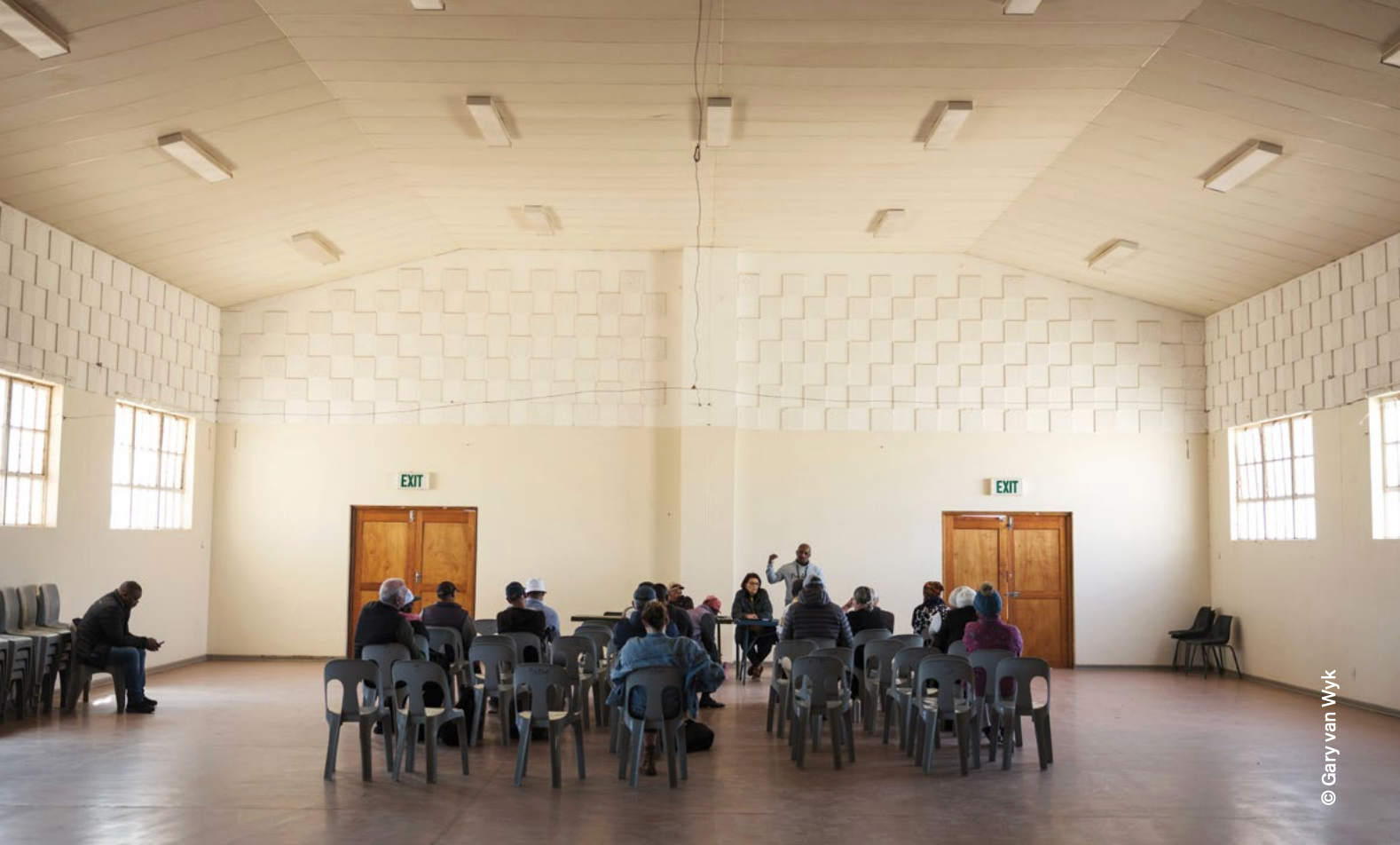
In terms of public notice, advertisements have only appeared in the Gemsbok, a local Northern Cape newspaper, which appears to represent the primary form of public communication observed by PTWC. This raises concerns about the extent of public participation, which is exacerbated by a sudden deluge of applications, all made at a similar time, which puts a severe strain on regulatory checks and balances.
Without organisations actively monitoring local newspapers, with the physical review of records at the Department of Mineral and Petroleum Resource (DMPR) office in Cape Town, many applications may progress through the regulatory process with limited public awareness.
While the public participation process is ongoing in several cases, it has also been extremely difficult to obtain full documentation from the Environmental Assessment Practitioners (EAPs).
The risk of cumulative impacts
While each application must be assessed on its own merits, the cumulative pattern is highly concerning. Even small-scale prospecting activities can fragment sensitive landscapes, disturb arid and coastal ecosystems, and place additional pressure on water-scarce regions. When dozens of applications are concentrated in the same geographic areas, the compounded environmental and social impacts may be significant.
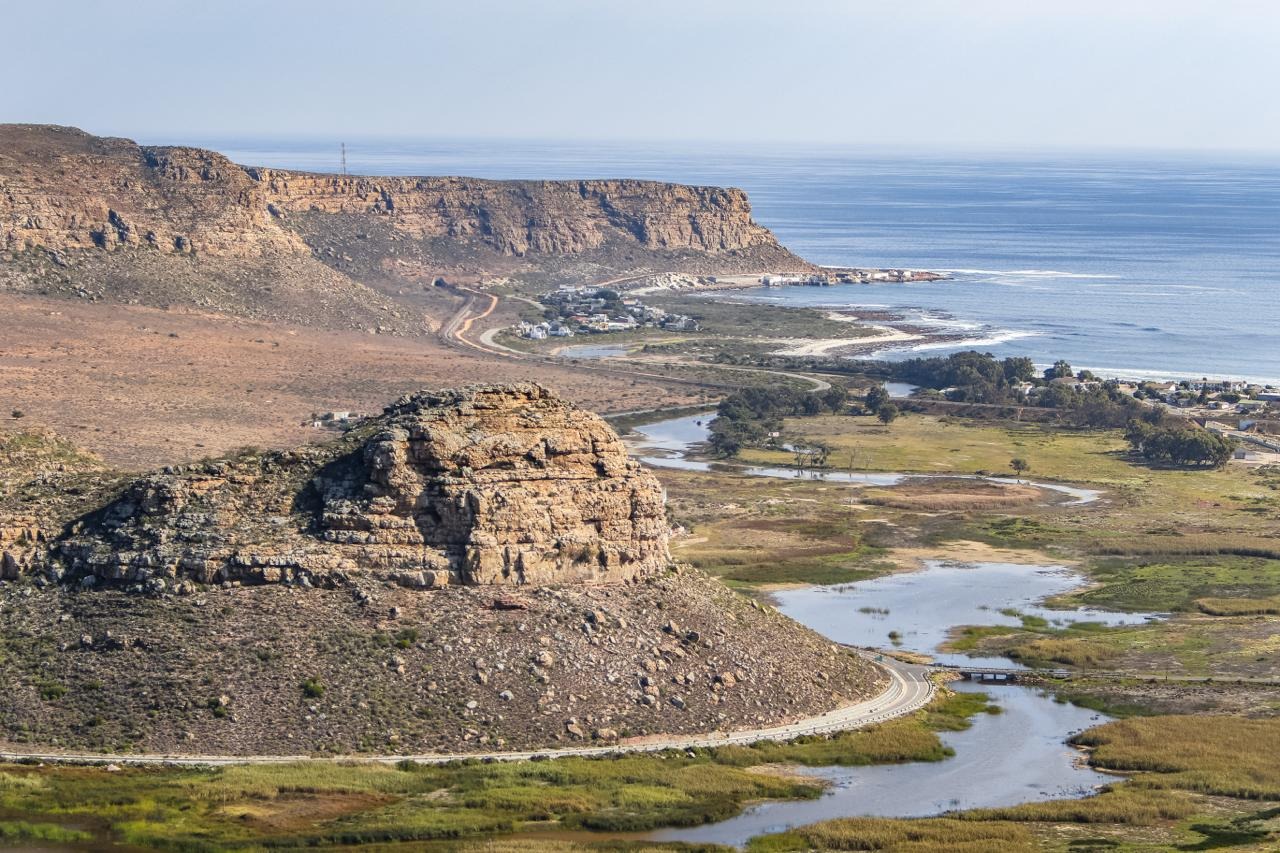
Namaqualand and the West Coast are highly biodiverse areas already under pressure from mining, water scarcity and climate vulnerability. The approval of multiple prospecting rights across the same landscape could intensify these pressures, particularly if long-term environmental planning and financial provision for rehabilitation are inadequate.
Prospecting rights serve as early-stage exploration tools, but they also secure access to land and mineral resources. Careful regulatory scrutiny is therefore essential.
“We’ve seen a sharp concentration of prospecting applications across the Northern Cape in a very short period,” said Mike Schlebach, MD of PTWC. “Our concern is not simply the number of applications, but the overall quality of some of the submissions. When multiple applications are lodged simultaneously in sensitive areas, proper oversight becomes even more critical.”
This recent surge of applications underscores the importance of independent monitoring by environmental organisations such as PTWC. Without active oversight and informed community participation, prospecting rights may be granted with long-term consequences for sensitive environments, especially if full mining rights are later granted.
PTWC is scrutinising approximately 20 of these applications within its focus area. As documentation becomes available, summaries and guidance will be uploaded to our digital public participation platform, Ripl, for public review and comment.
PTWC is also preparing a letter to the DMPR that urges the department to exercise stricter scrutiny when applications reach the decision-making stage, so that these prospecting rights are not granted without thorough assessment of their cumulative impacts and ongoing oversight.
Residents, landowners and interested members of the public are encouraged to stay informed.
Register on Ripl, review applications currently open for comment, and ensure your voice is heard while participation windows remain open.
Sign up to Ripl at www.ripl.co.za