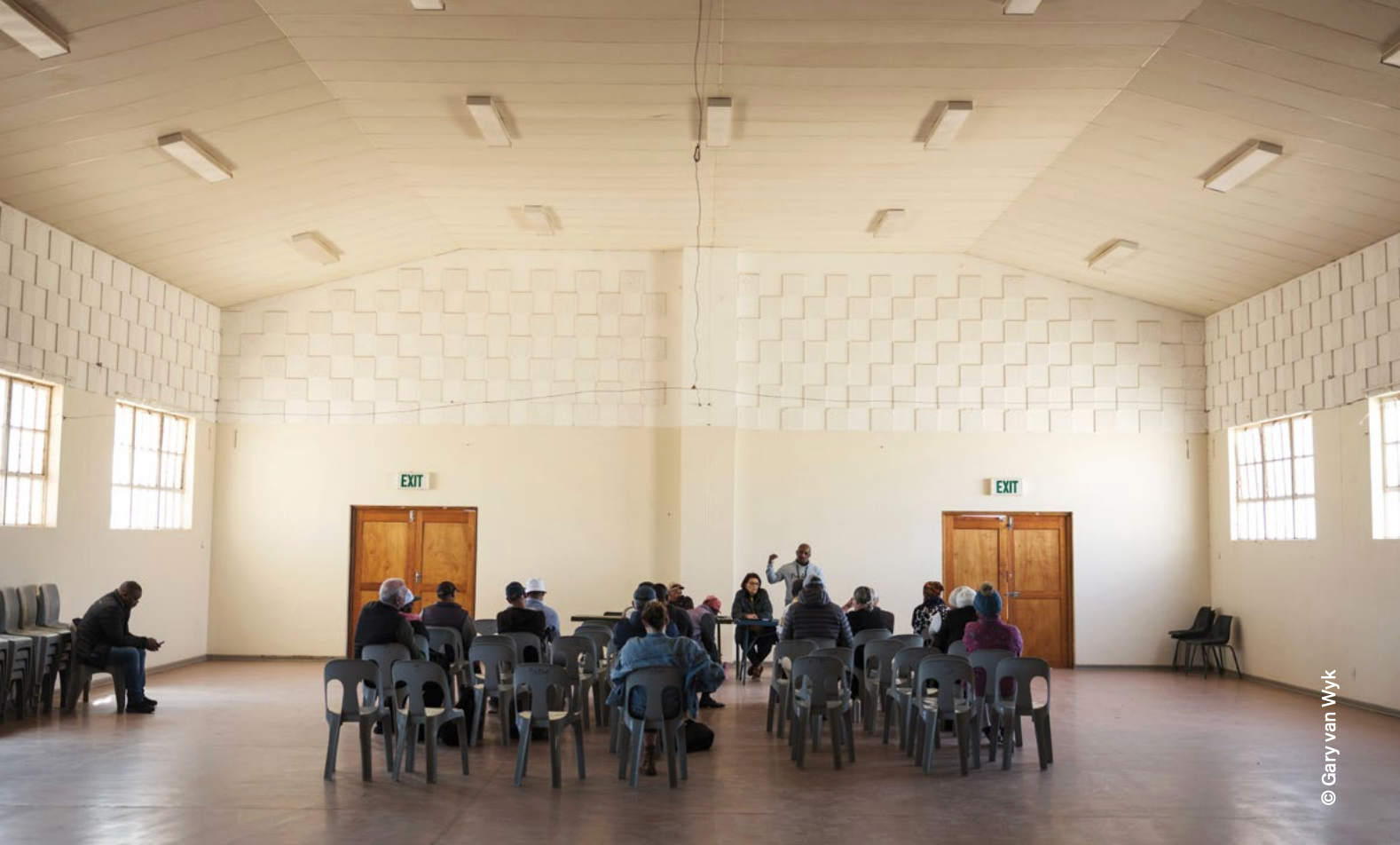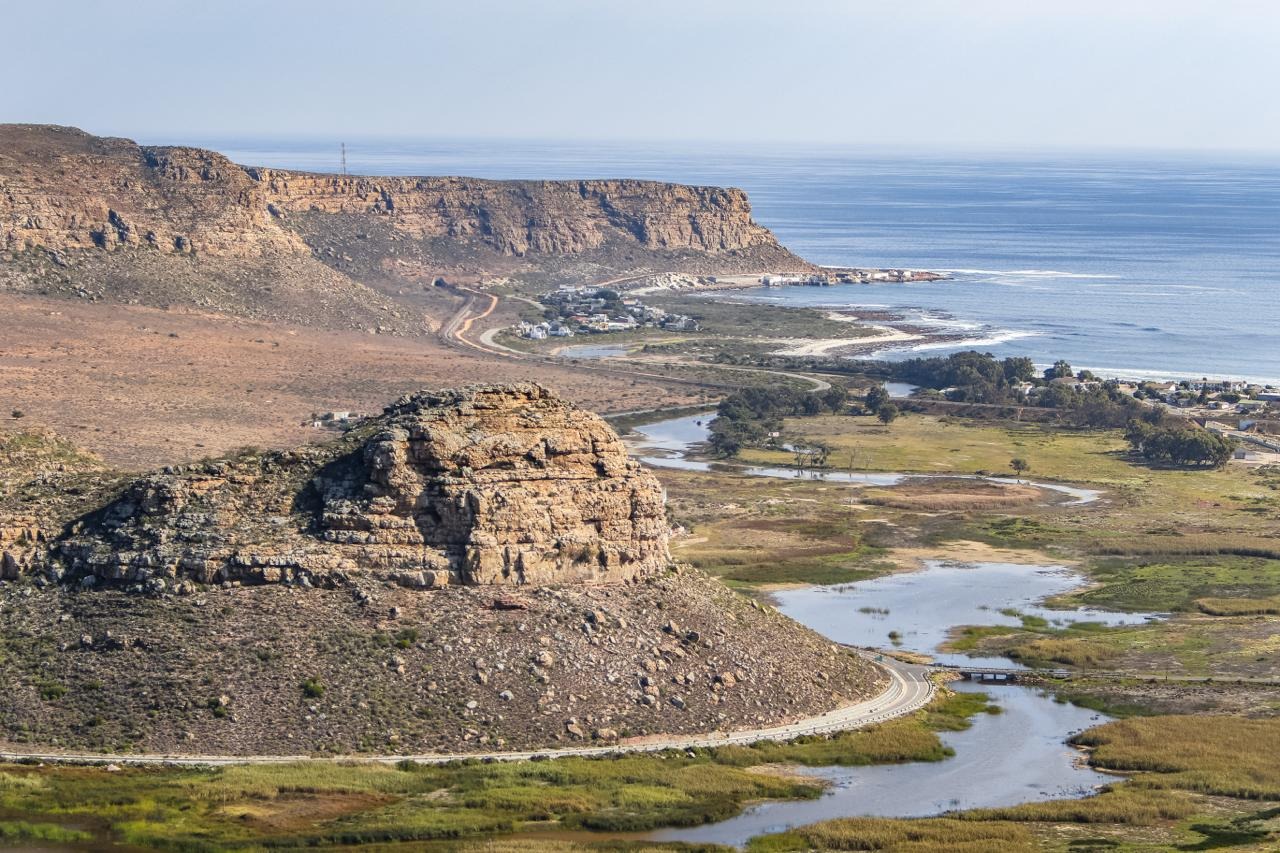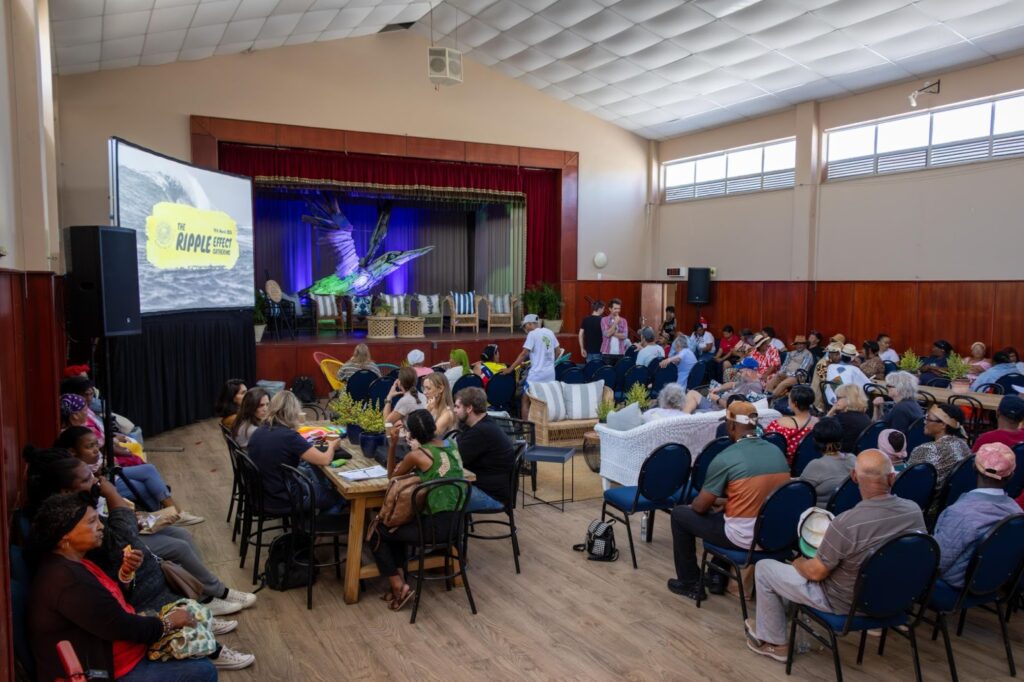
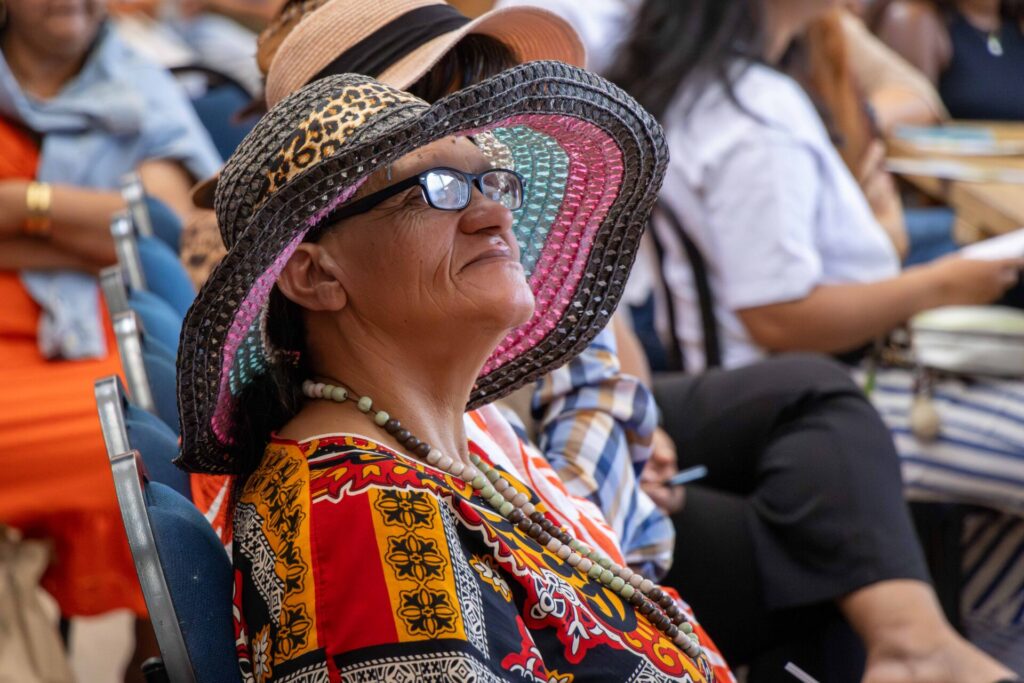
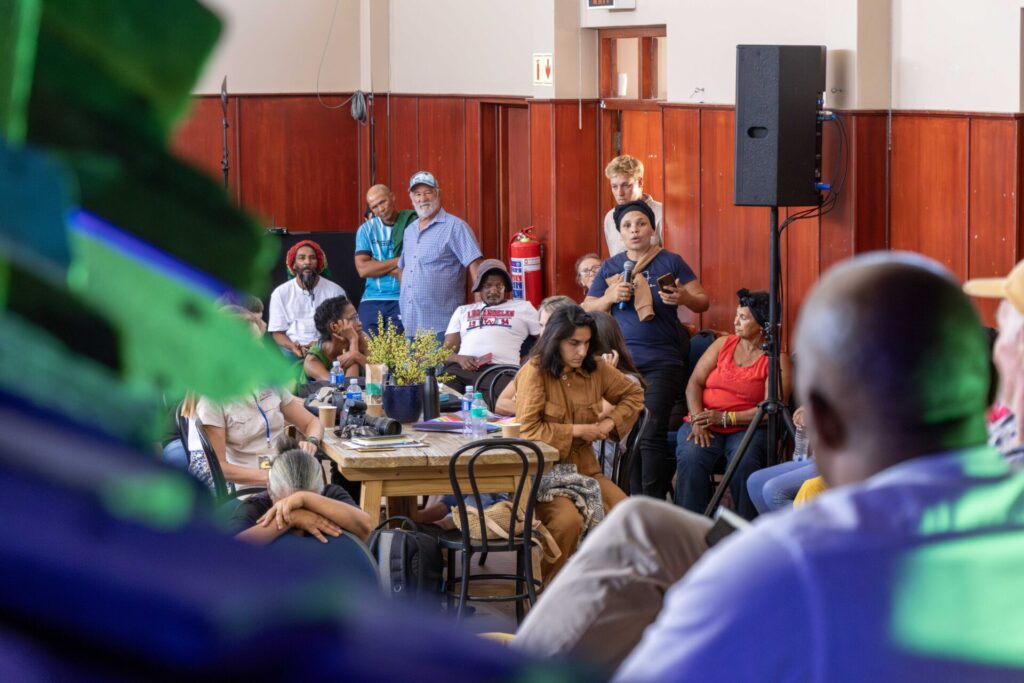
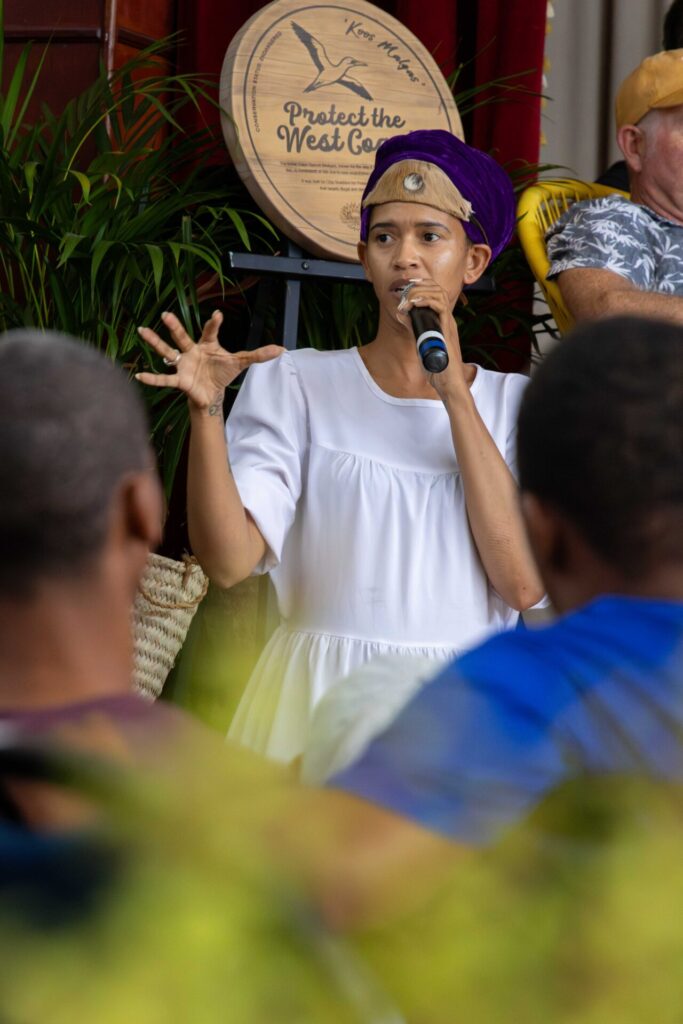
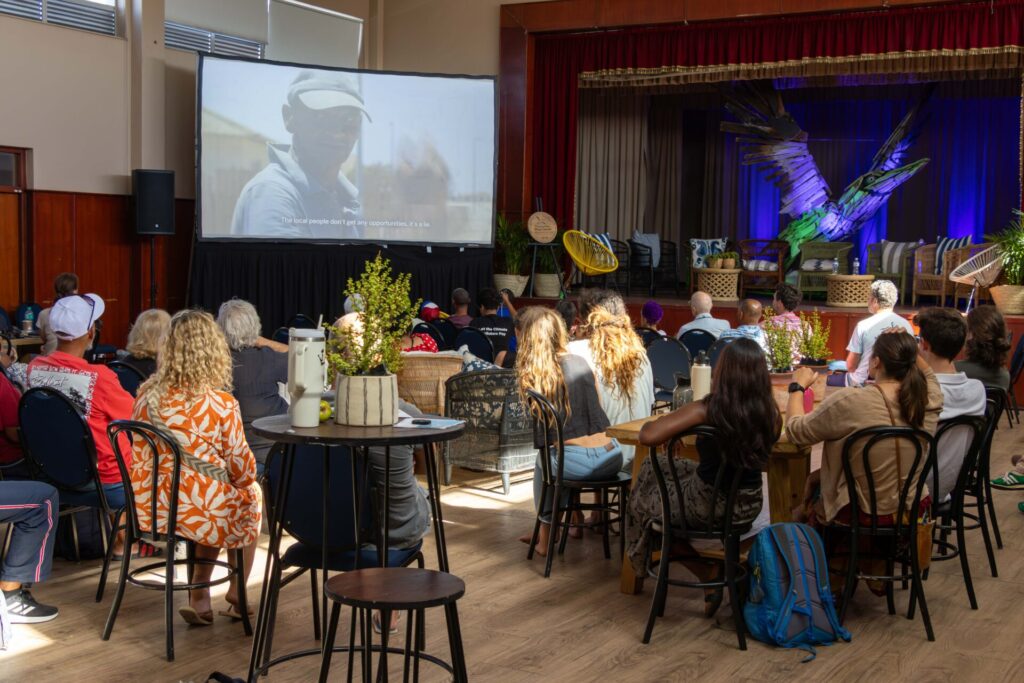
More than 150 Indigenous leaders, fishers, scientists and West Coast stakeholders gathered in Langebaan recently to call on the government to prioritise a sustainable economic future for the region in meaningful partnership with local communities.
The call came during the Protect the West Coast (PTWC) Ripple Effect Gathering on Saturday March 14, where participants warned that a rapid increase in coastal and inland mining applications could have lasting consequences for livelihoods and fragile ecosystems.
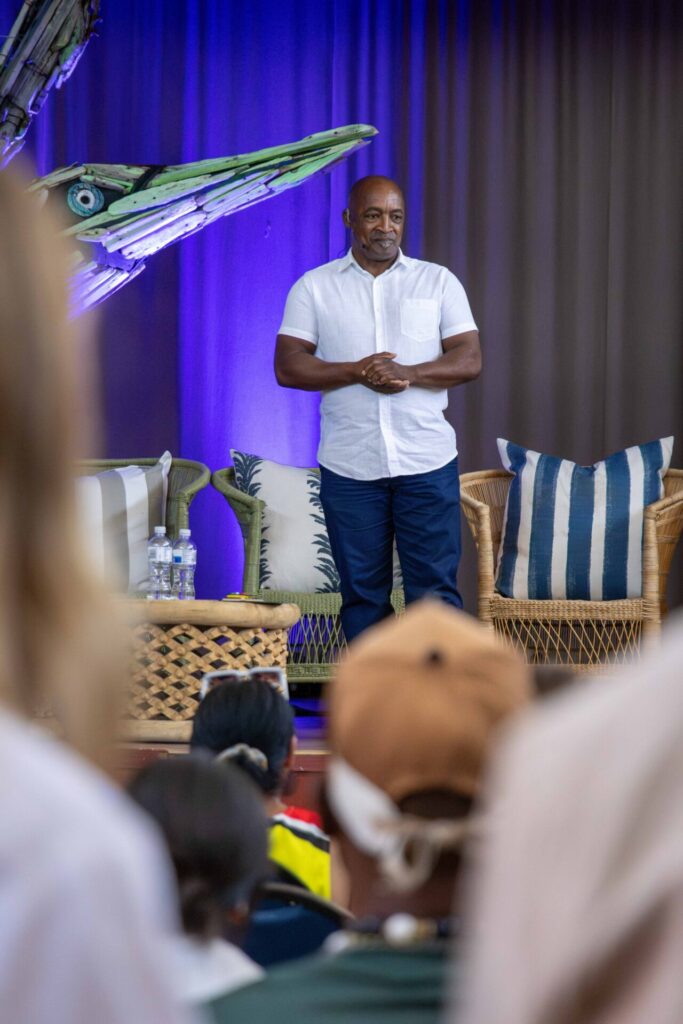
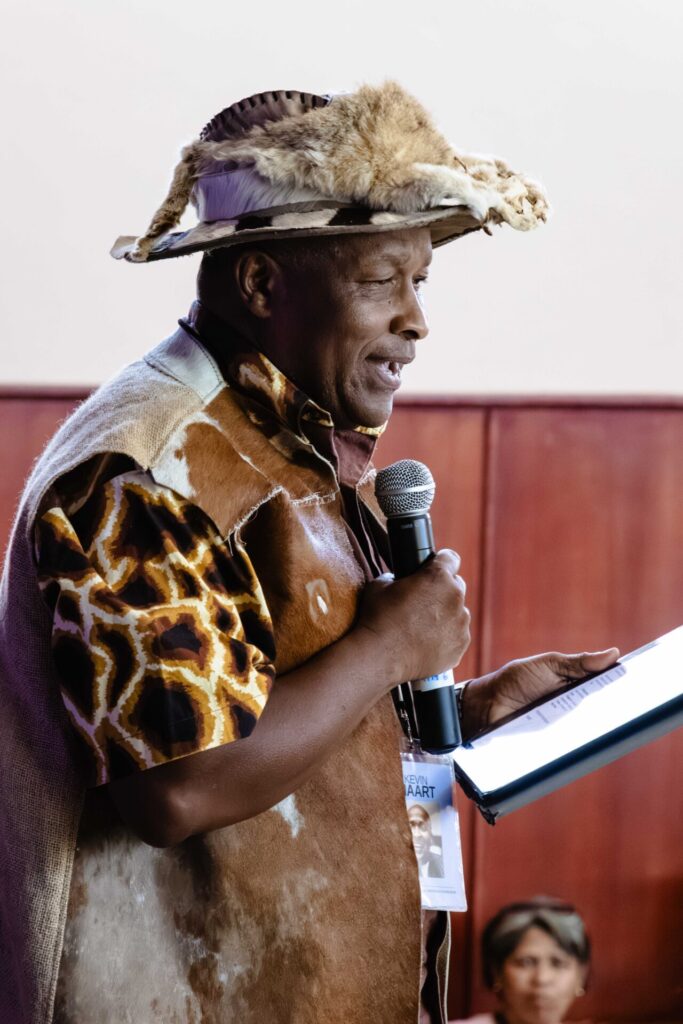
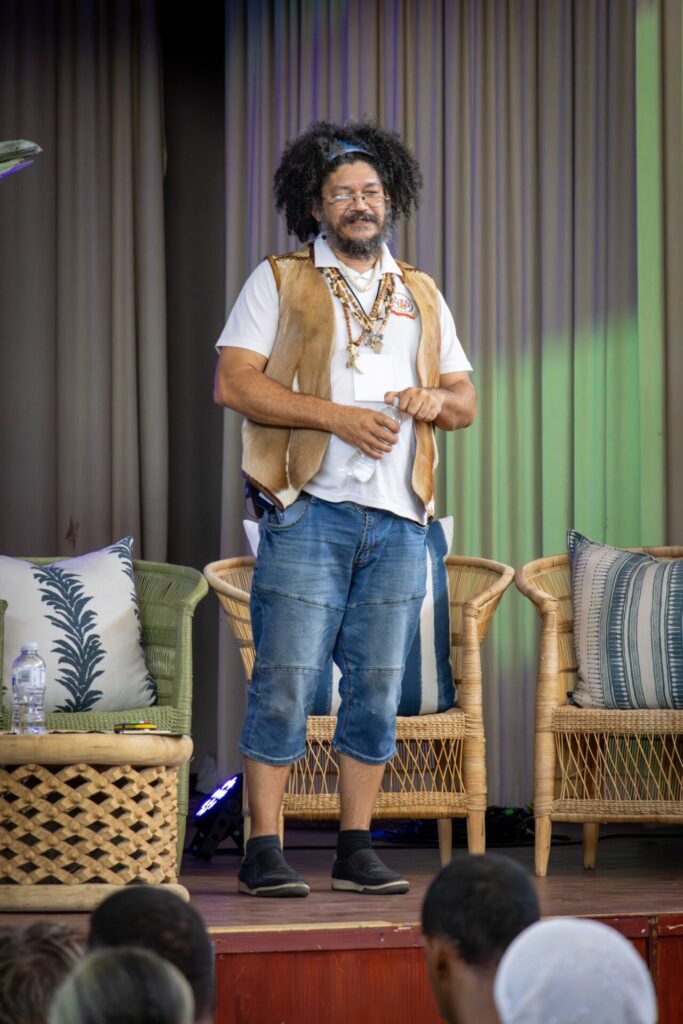
Three Indigenous leaders — Kevin Maart of the Aikonese Cochuqua Tribal Council, Sores Flores of the Hessequa Tribal Authority, and Martinus Fredericks of the Nama diaspora — urged the government to place greater emphasis on environmental protection and community consultation in development decisions.
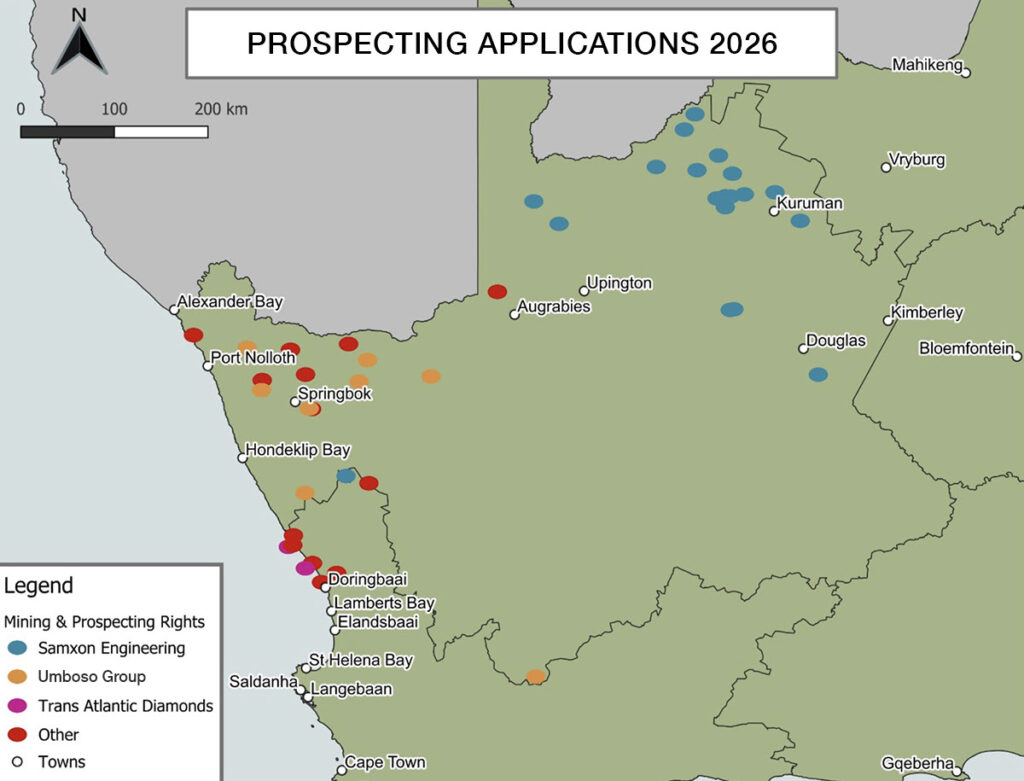
The timing of the gathering is significant. In 2026 alone, 48 applications to prospect or mine for heavy minerals, rare earth elements and diamonds have been submitted across the Western and Northern Cape. In addition, TransHex recently received environmental authorisation for offshore diamond mining between Doringbaai and Strandfontein, near the Olifants River estuary.
Participants described the scale and pace of these applications as unprecedented, warning of cumulative impacts that are not being adequately assessed.
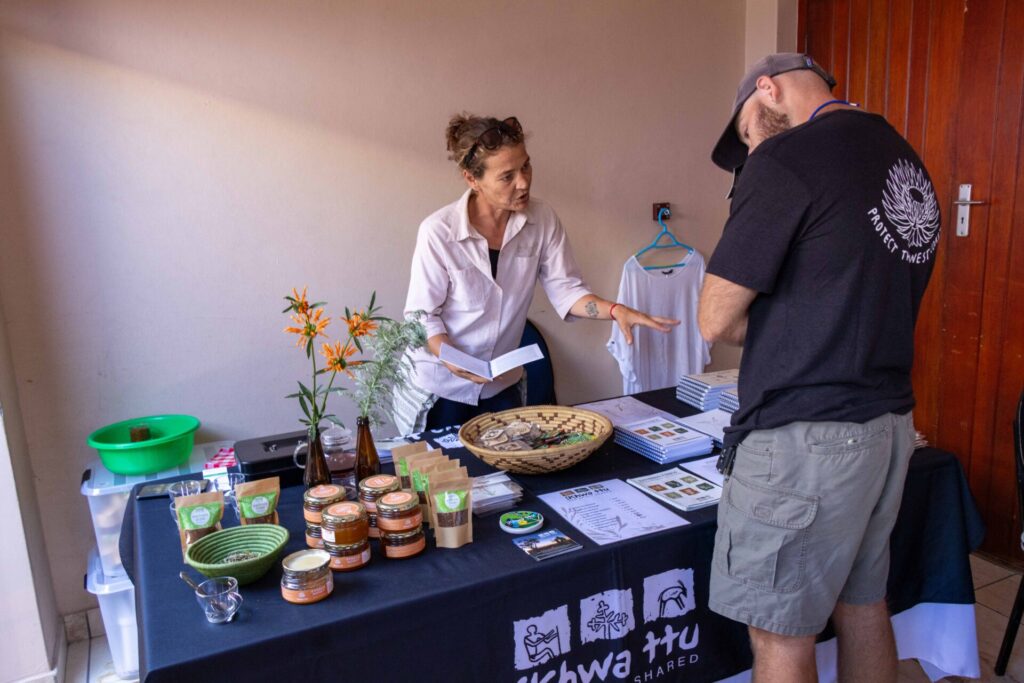
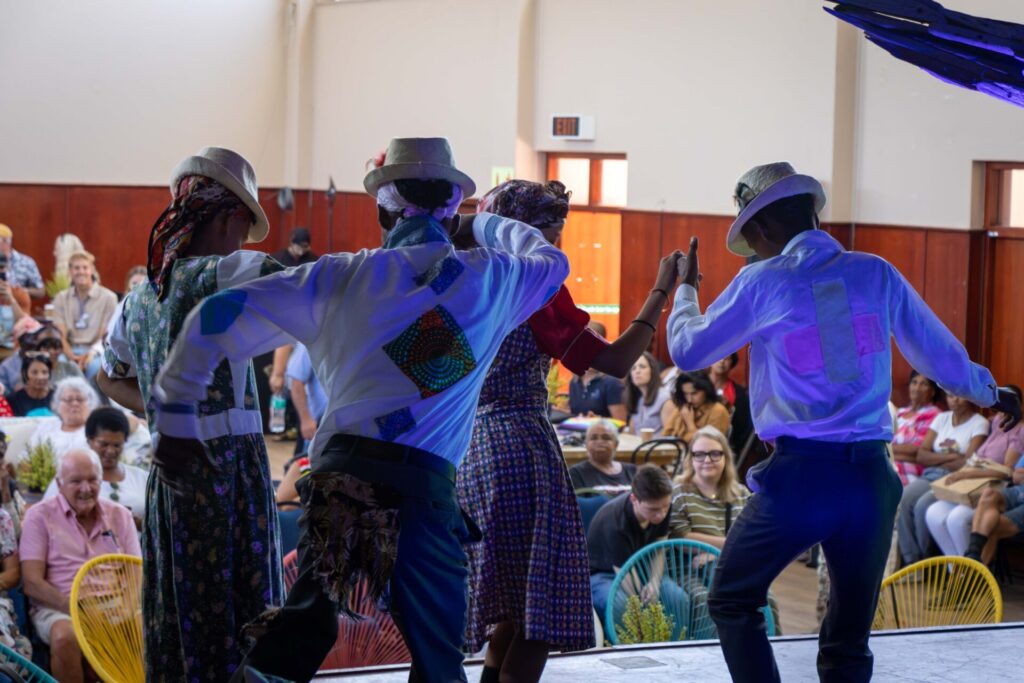
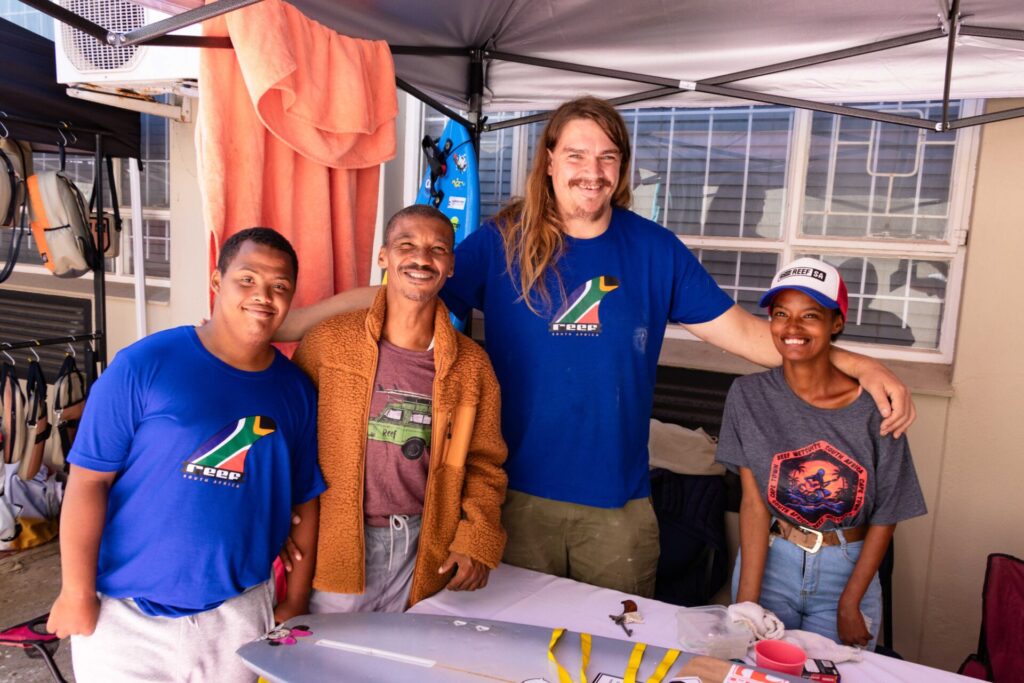
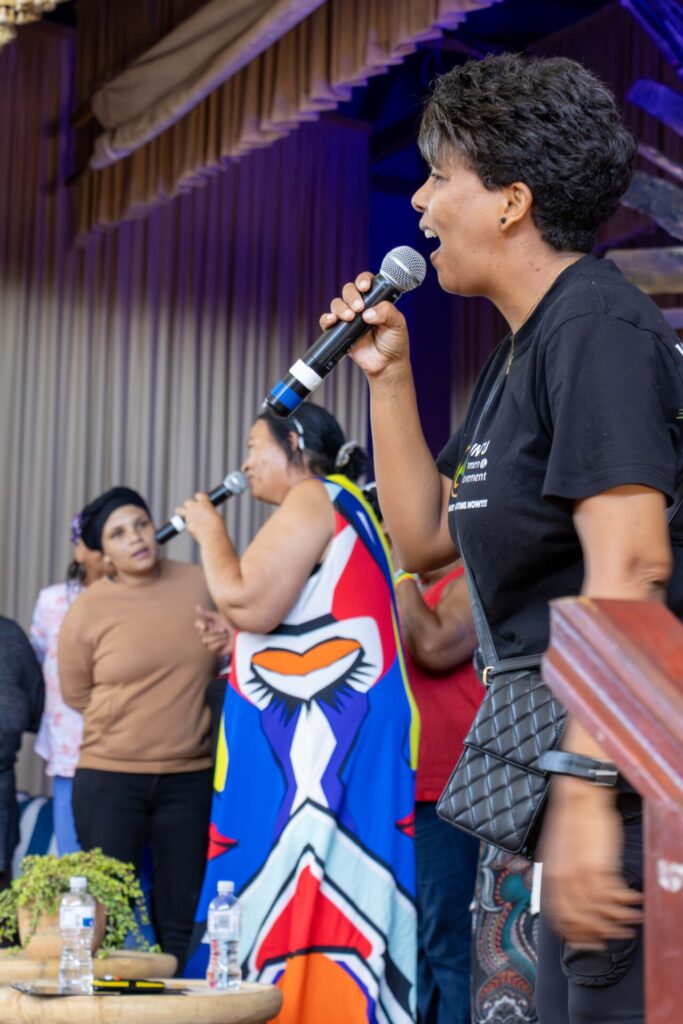
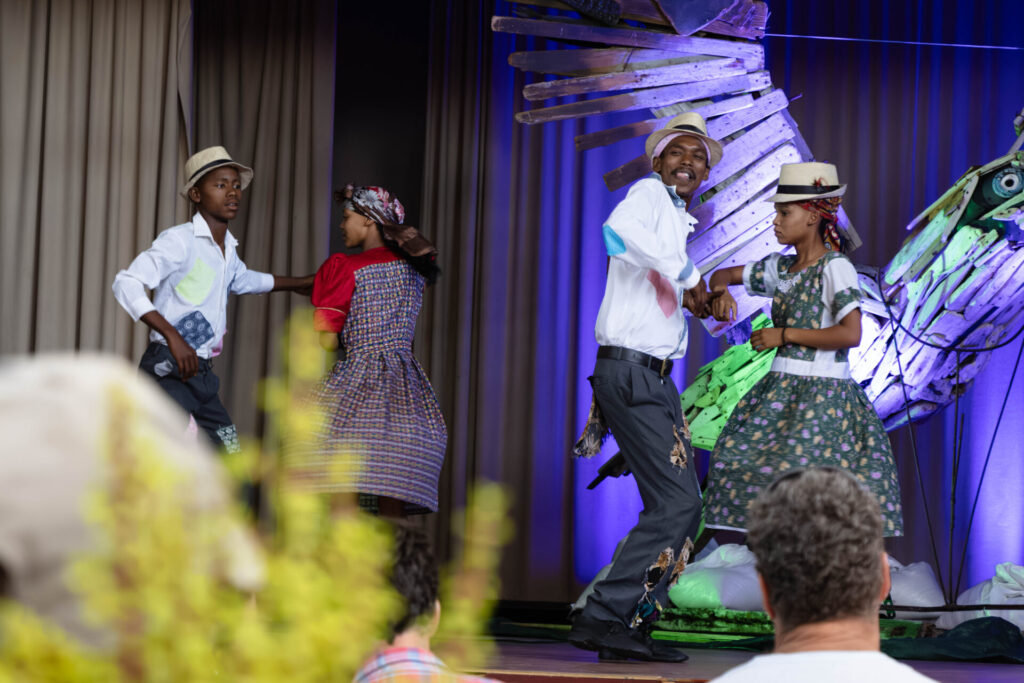
Alongside panel discussions and presentations, attendees engaged with exhibitions showcasing alternative economic opportunities, while cultural performances – including traditional dancing by the Richtersveld Stoftrap Dance Group and songs from women of the Doringbaai fishing community – underscored a sense of the living heritage that underpins all activity on the West Coast.
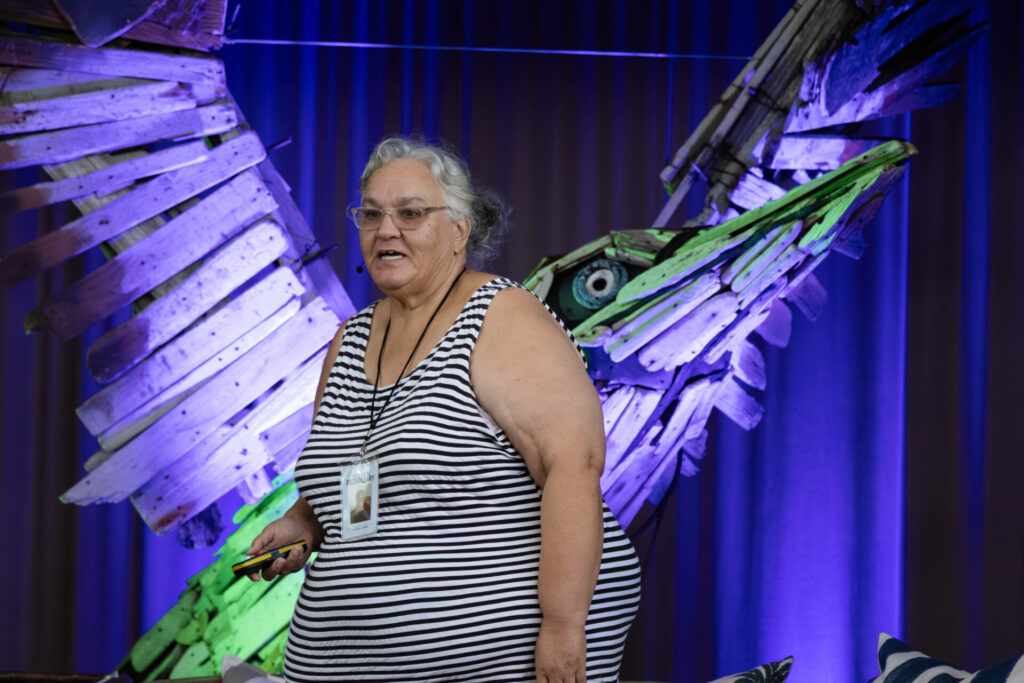
Proceedings opened with a Khoisan blessing beneath a striking five-metre driftwood sculpture of a gannet, Koos Malgas, created by Kommetjie artist Chip Snaddon, symbolising the beauty and vulnerability of the West Coast’s natural environment.
Speakers across sectors highlighted the ecological importance of the region. The West Coast – stretching from Cape Town into the Northern Cape – is home to more than 6,300 endemic plant and animal species, yet only around 10% of this landscape is formally protected. Among its threatened species is the black harrier – less than 800 adult birds remain in the wild. This is an endangered raptor and lead indicator species, currently recognised as Bird of the Year by SA Bird Life.
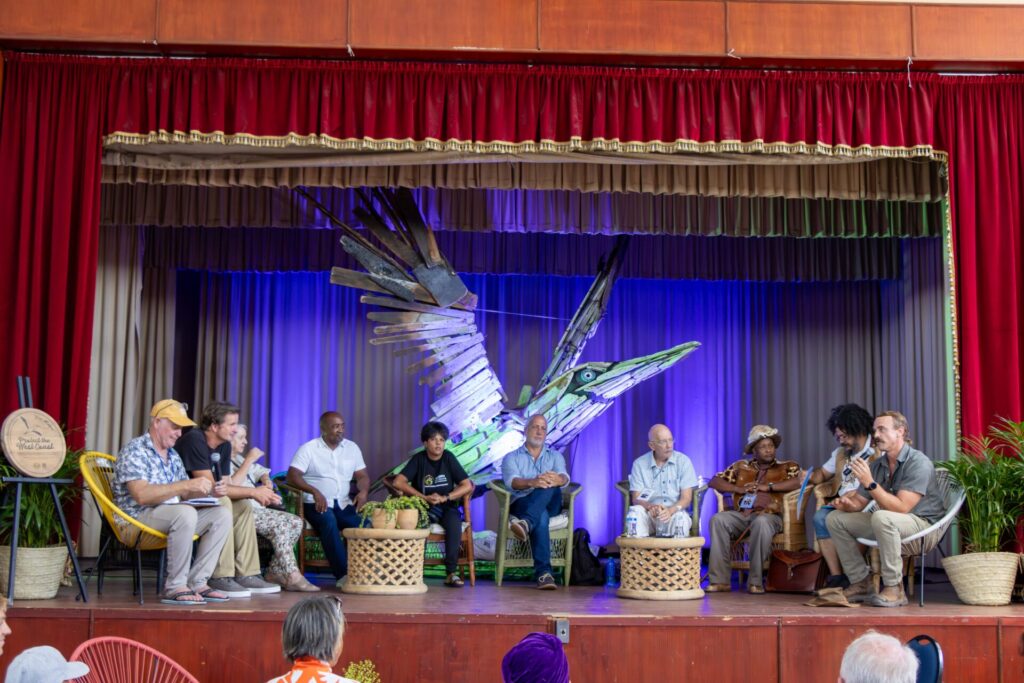
Indigenous leaders emphasised that environmental stewardship and cultural survival are inseparable. Fredericks spoke of the Nama people’s deep historical connection to the land, arguing that sustainable industries such as ecotourism could provide long-term benefits if communities are properly consulted.
“Our people have lived here for thousands of years. We understand the value of our natural heritage and want to safeguard our children’s livelihoods as well as our own,” he said.
Chief Maart spoke of the ecosystem fragility of the region, which is under immense cumulative pressure from the industrial scale extraction of minerals, and reminded the audience that Nature-based Solutions were invented by the indigenous people. The health of the land was key to the survival of the people who made their living from the ocean and the land.
Chief Sores, who was on his way to Johannesburg to a public hearing at the Human Rights commission on food and Bio-diversity security for Indigenous peoples, spoke of how his community was immobilised through policies where the terms of reference were not defined or specified, and how the Southern African Aboriginal Congress (SAAC) has put pressure on the government to commit to stronger and clearer frameworks to govern ecological stewardship, recognising the vital role that Indigenous communities have in realising these goals.
Research presented at the gathering painted a stark picture. Much of the coastline from Elands Bay to the Orange River mouth is already subject to mining or prospecting rights. Inland, approximately 1,800 km² in the Northern Cape is earmarked for diamond mining, with a further 2,900 km² in the Western Cape under prospecting applications.
After the event, PTWC Managing Director Mike Schlebach said that the gathering marked the beginning of continued dialogue in a spirit of collaboration across many sectors, population groups and viewpoints.

He warned that the region approached a tipping point: “We risk losing ecosystems that cannot be restored,” he said. “We are not opposed to mining, but it must be undertaken responsibly and within a broader strategy that safeguards both communities and biodiversity.”
In his talk, Schlebach had raised concerns about inadequate rehabilitation. In some areas near Hondeklipbaai, land equivalent to roughly 5,000 football fields had been left degraded following decades of mining, with companies sometimes failing to meet rehabilitation obligations – with deep scars across once pristine veld.
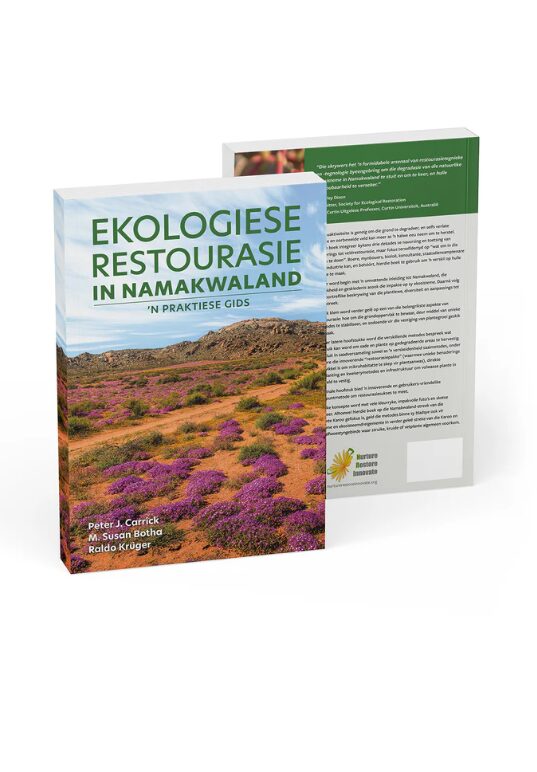
Through the lens of UCT restoration botanist Peter Carrick, the preeminent expert in restoring the succulent Karoo after mining, delegates and attendees saw that there were some responsible mining companies that rehabilitated and fulfilled their Social and Labour Plans (SLPs), but the industry as a whole had fallen short, leaving vast tracts of the West Coast a mined moonscape.
In his keynote address, Carrick showed how it was possible to return damaged land to its former state, but he emphasised that the right planning and framework needed to be in place before mining projects began – a common problem.
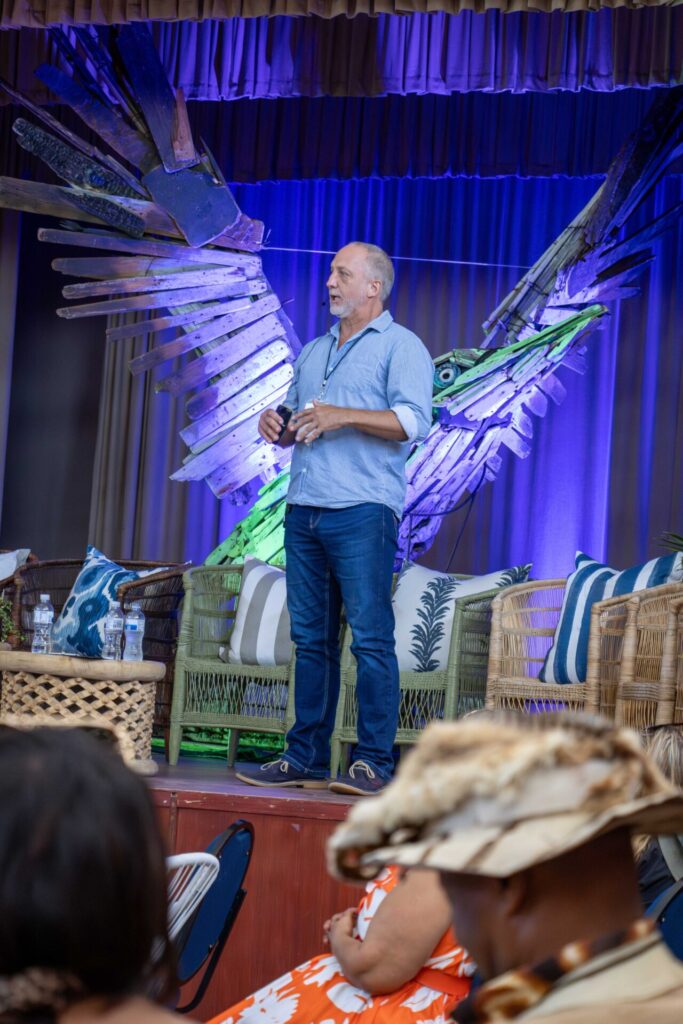
Speakers such as Ramon Kourie, Food Security Institute, and Jodray Arendse, founder of Breathless Nomad adventure tours, espoused the need for alternative solutions, such as fish farming and eco-tourism respectively. Todd Capson, a global MPA pioneer, spoke of the Seas of Good Hope World Heritage Site that proposes to create a contiguous link between MPAs all around the SA coast.
West Coast farmer and custodian of a piece of land on the West Coast Bertie Visser was outspoken in his urgent call for the land to be treated with utmost care and respect, joining the indigenous view that the land needs to be protected by sustainable custodianship, not extractive industries that are temporary and destructive.
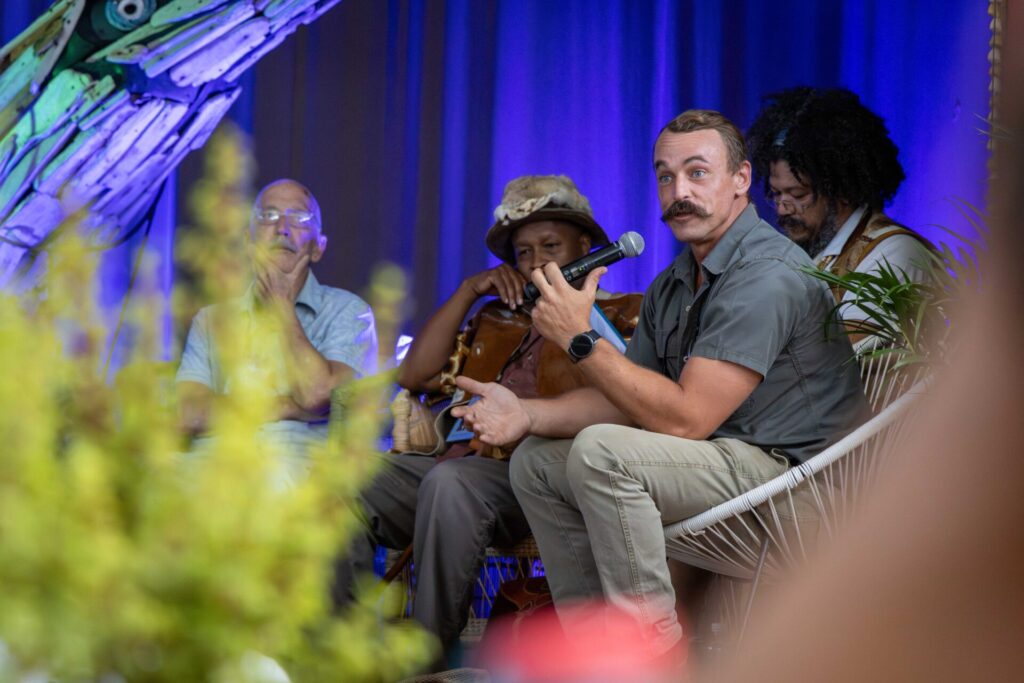
Deborah de Wee of the Spirit of Endeavour Fisher Women concurred: “The government does not protect the fishers of the West Coast, but gives priority to development and mining without sufficient concern for our livelihoods. This is unfair and unconstitutional. Fishing is a cultural right of the indigenous people of South Africa. We should be treated as custodians of the ocean, and not just people needed for their vote.”
As Carrick noted: “This is a uniquely beautiful landscape which is also incredibly fragile, but it is approaching a tipping point. We need to be careful about what type of development occurs and how that development takes place,” he said.
Carmelita Mostert, Chairperson of Coastal Links South Africa said, “The fishers of the West Coast have fished these waters for thousands of years, but mining has been around for only 100 years, and you see how this has damaged our ecosystems? The snoek runs are fewer now. Mining is a single-use extraction that is not sustainable, and the government needs to honour the constitution that is supposed to guarantee our right to a non-harmful environment.”
Passionate resident of Langebaan Lynn Pearson called the event “one of the best gatherings on the West Coast I have ever been to. The mixture of culture, the dancing, your layout was fantastic. The individual speakers were excellent.”
Sign Our Petition
Please help us keep up the momentum by signing and sharing our petition calling for a moratorium on new mining applications until a more strategic approach to managing the West Coast’s natural resources is put in place.
https://mailchi.mp/protectthewestcoast/the-ripple-effect-petition
Sign up to Ripl
PTWC’s digital platform Ripl simplifies the public participation process so that ordinary people can easily monitor and comment on mining applications. Sign up to ensure your voice is heard.
Download our Special Report
Download PTWC’s first Special Report: ‘The Tipping Point’, which tracks the history of mining on the West Coast, the main problems with unregulated mining in the region, its cumulative environmental and community impacts, and offers practical solutions, such as the inclusion of community involvement and Indigenous wisdom, and a more strategic approach to sustainable development in the region.
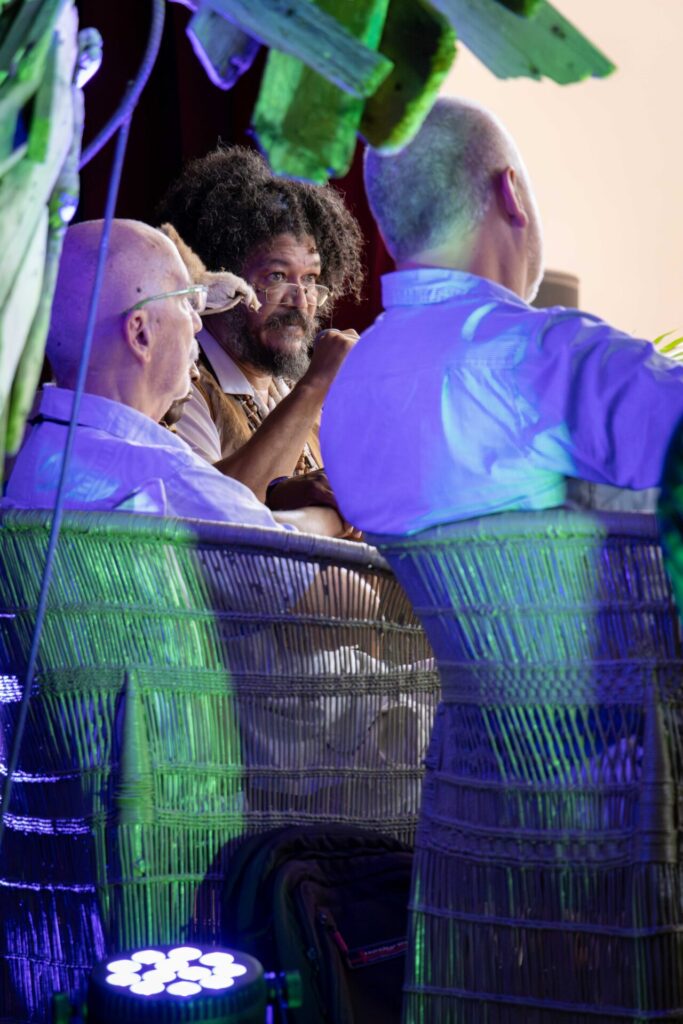
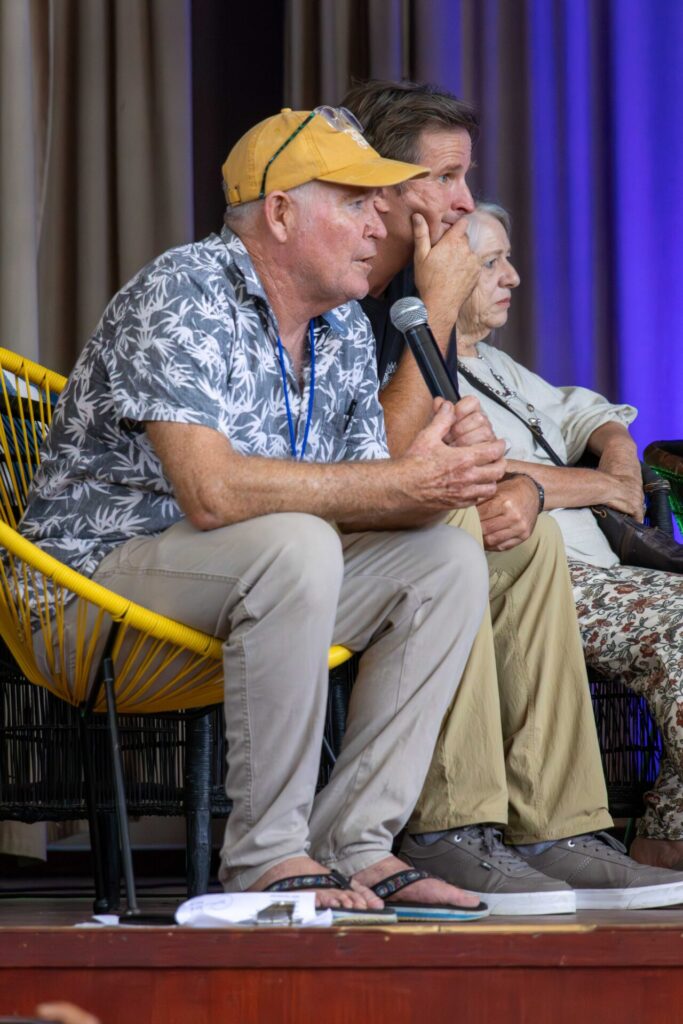
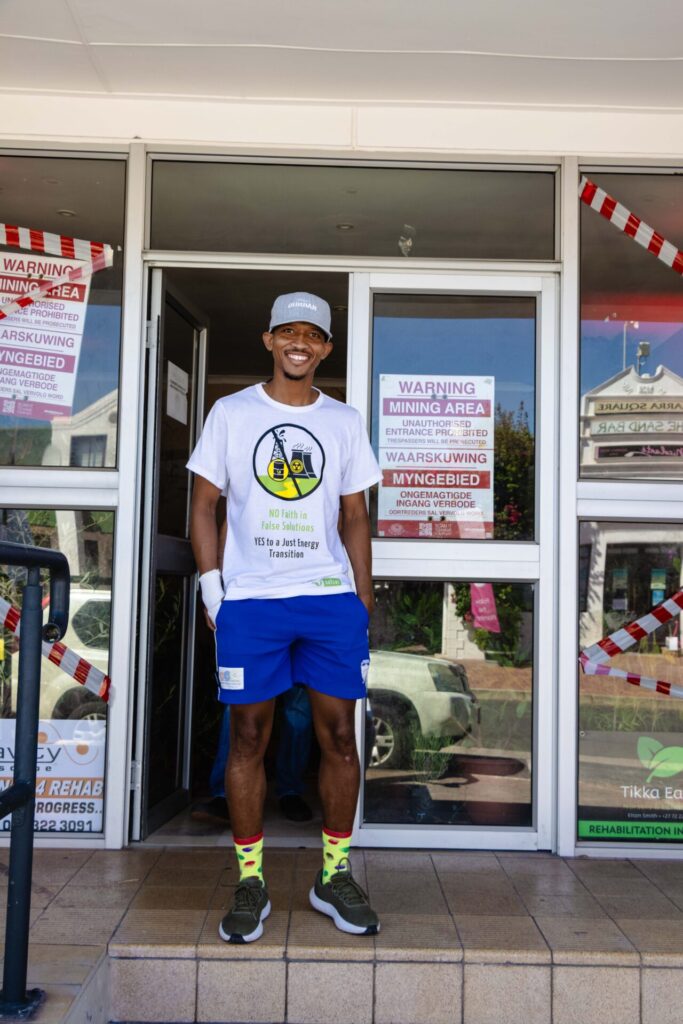
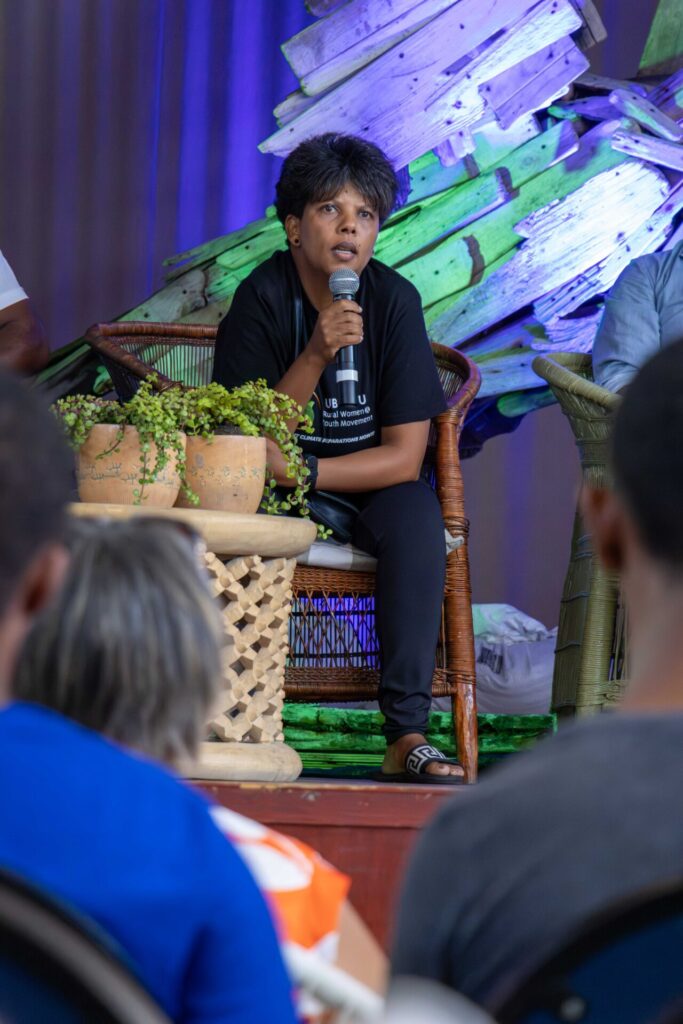
A gallery of images from The Ripple Effect Gathering below. All images by Jacque Smit.

A huge thanks to each and every person who attended The Ripple Effect Gathering.