Since its inception in 2020, Protect the West Coast (PTWC) has been warning that more populated areas south of Lambert’s Bay are next in line as heavy mineral and diamond mining steadily creeps closer to Cape Columbine.
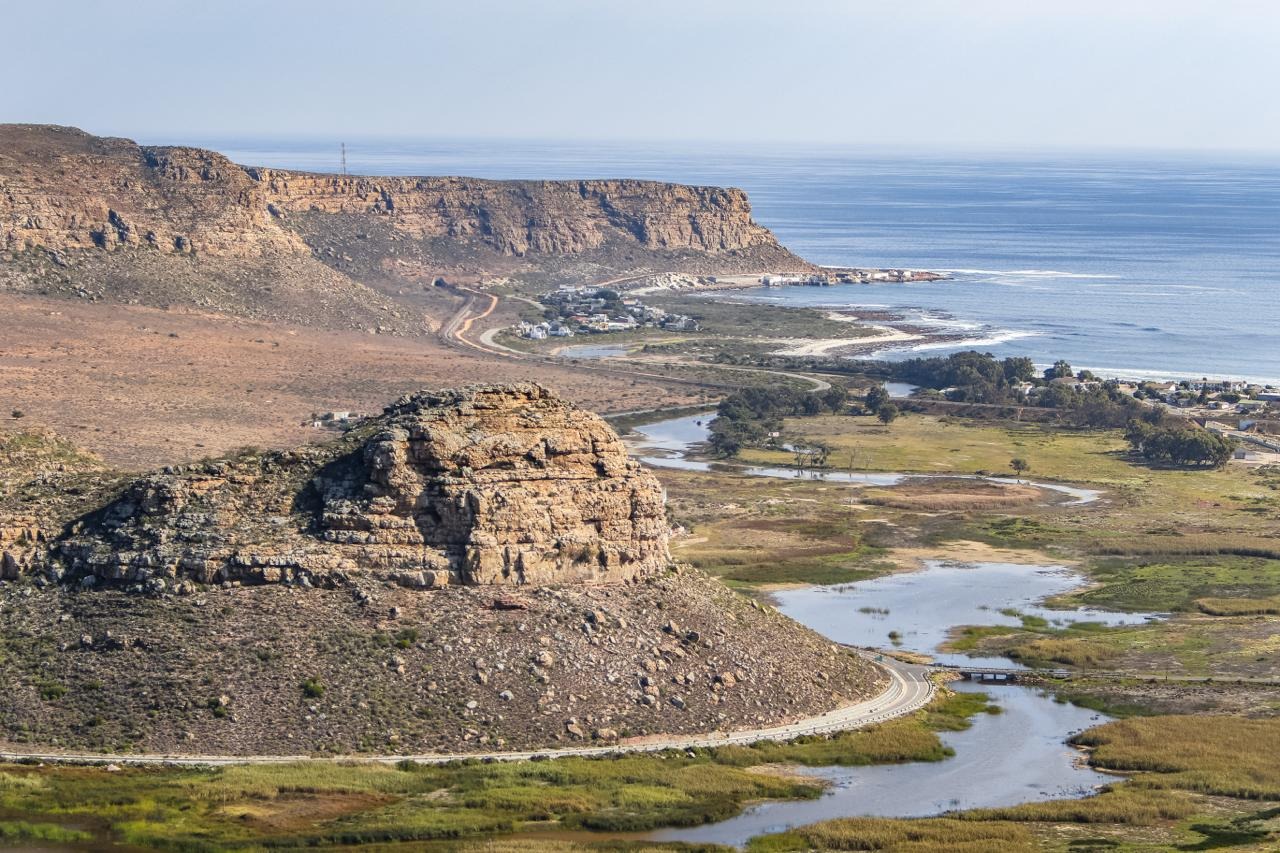
There are several phosphate mines in the Langebaan, Saldanha, Vredenburg corridor, and as the beaches and dunes further north are stripped of their minerals, so will mining heavy mineral and diamond mining set its sights on the untapped sands from Elands Bay to Saldanha – and even beyond.
As far as PTWC can determine, the application (WC 30/5/1/1/2/10498PR) by Gauteng-based company Zucolox (Pty) Ltd, which like many such applicants on the West Coast, has no website and no discernable business operations, wants to prospect for copper ore, diamonds (general), granite/syenite, heavy minerals phosphate ore, kaolin (clay), leucoxene, manganese ore, monazite and rutile (heavy minerals), rare earths, titanium, tungsten ore, zircon (gemstone), and zirconium ore.
As far as we know, the mysterious company, with offices in Alberton, has the dubious distinction of being the first application of its kind beyond Velddrif.
Little else is known about this application, which first came to PTWC’s attention after it was posted to a community Facebook group in August 2025, to which a notice was attached declaring that the Department of Mineral and Petroleum Resources (DMPR) had accepted Zucolox’s prospecting application, dated July 11, 2025.
This is where it became confusing, and a little strange. Such notices normally have a 30-day window for public participation, which was backed up by a newspaper notice forwarded to us by a community member. Some residents said they had been told that the public had until November 17 to register as Interested and Affected Parties (I&APs) and submit their comments.
A four-month lead time for public participation is way out of the prescribed timeline for such applications, and seems irregular.
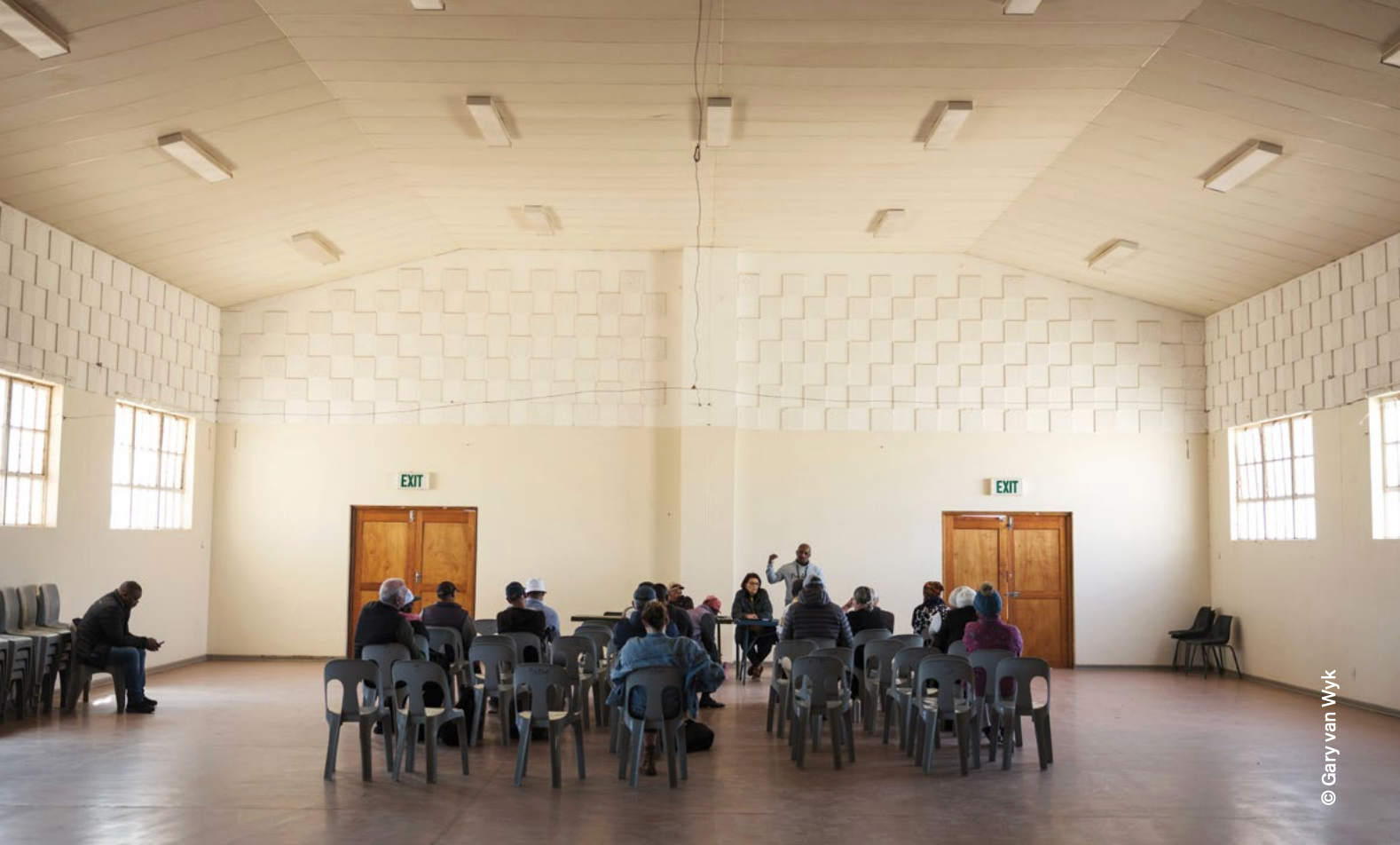
Nevertheless, activists within the residents of St Helena Bay created an organisation, Action St Helena Bay, and put up an online petition, which so far has received 1440 submissions. These were sent to the listed contact, Mutshimbili Trading, a company also based in Gauteng, which also has no website and no discernable business operations.

The community petition cited environmental sensitivity, community impact (agriculture, tourism, and cultural heritage), insufficient public consultation, potential water contamination, biodiversity threats, lack of transparency, health and environmental risks, effect on tourism, inadequate road infrastructure, effect on property price and potential property damage in their submission.
Unfortunately, attempts by the local community and PTWC to find out more have been unsuccessful. Rumours have circulated in the community that the application was some kind of hoax, although we have been reassured that it is real, despite a dearth of documentation and no response to queries from the contact provided nor the DMPR.
PTWC could find no record of the application at the Vredenburg Municipality, and repeated attempts to get information from Mutshimbili Trading and the DPMR have so far been met with a wall of silence.
Without additional details, we cannot upload this application to our public participation platform Ripl. We have to wait for more information – and until clarification that the requirements of the mandated Public Participation Process (PPP), including supporting documents and details of a public meeting, are forthcoming, without which this application should never be approved.
“This veil of secrecy is unfortunately typical of the mining industry and government in South Africa and hardly creates a spirit of trust with the general public,” said PTWC MD Mike Schlebach. “If further attempts to find out more are unsatisfactory, PTWC will be forced to invoke the Public Access to Information Act (PAIA) to drag what exactly is going on here out into the light.
“If people don’t push back now, it could ultimately usher in mining operations in this beautiful, pristine tourism-dependent coastal zone, which is home to fragile ecosystems, thousands of people, fisheries and farms.”
“Indeed, it’s not ridiculous to believe that the granting of this application, so close to large, busy communities, could set a dangerous precedent that may herald the march of this industry all the way to the beaches of Blouberg or even Scarborough,” Schlebach said.
Watch this space, and in the meantime join the resistance by signing up to Ripl here.