Visit Ripl https://ripl.co.za/
After our introduction in the first article Demystifying the Public Participation Process, we move into how one engages with the public participation process (PPP) through our platform Ripl.
The most common queries we get about Ripl include: How does it work? How do I navigate the platform? How do I register as an Interested and Affected Party (I&AP)? How do I raise my concerns? What can I comment on, and where?
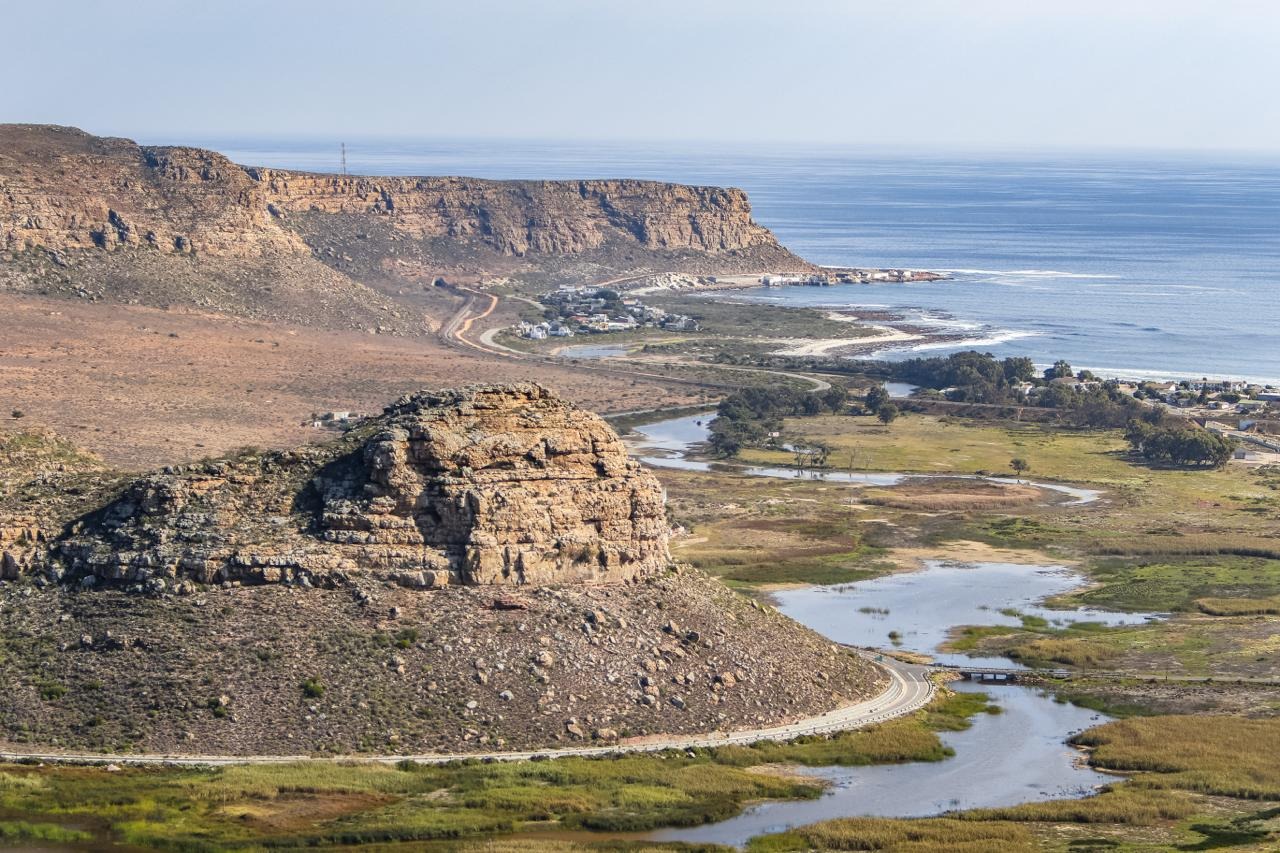
When a mining or prospecting application is lodged on Ripl, you can add your voice to monitor potential harmful mining practices that threaten our beautiful West Coast, and all its amazing and rare fauna and flora.
In this article, we will run you through how to register on Ripl, sign up as an I&AP, and how to create your own ripple effect.
How to be a Ripl Hero
Step 1 – Sign up to the Ripl platform with your email address or phone number. Existing users simply log in.

Step 2 – Scroll down the main page and Click ‘view’ on the new mining application you wish to engage with under ‘New Applications’.

Now that you are on the commenting page, the rest of the process is easy. To sign up as an I&AP is simple – you click a few boxes, five to be exact.
Let’s get clicking …
Step 3 – Familiarise yourself with the application details (location, company, minerals sought after, and details of proposed operations).
Step 4 – Click Yes or No for the question about whether approval or refusal results in direct impact on your personal, business, financial, cultural interests and/or circumstances. If it does, answer Yes. You will need to support your choice and briefly specify the impact(s). If you answered No, continue down the page to the tick boxes .

Step 5 – Click the option that best describes you, for example, I am concerned about the impact on the environment.
Step 6 (optional) – Add a brief personal message.
Step 7- Click the declaration, permission, and subscription to PTWC’s mailing list (the latter is optional).
The final step is to hit the Review info button and submit. Three, Two, One and you are done. You are now registered as an I&AP and will be notified with updates about this application.


To sign up as an I&AP requires minimum effort, and you are not obliged to provide comments when doing it. We do, however, encourage further engagement and additional comments because this will ensure that serious environmental, legal or social impacts are brought into the spotlight, which means they cannot be ignored during the decision-making process.
Add your Comments
Your voice is vitally important to the PPP. But if you want your participation to carry even more weight, once you have submitted your application to become an I&AP, you can comment on the application through these additional steps:
Step 8 – Read more closely through the Details section of the Ripl upload, and use the carefully considered findings by our science and legal teams to help you formulate your comments.
Step 9 – Review the documents related to the application (at the bottom of the page) and comment on these too. Remember, the PPP is an inclusive process. You are allowed to raise your concerns as long as they are respectful.

The success of Ripl is directly linked to your participation and engagement. Recently, Ripl resulted in 95% of the public comments on a proposed residue storage facility by Tronox Mineral Sands and carried significant weight in another phosphate mine application by Mariama Mining.
“It is only through collective action and a unified front that we can dissuade the authorities from allowing unlawful or harmful mining to go unabated. By using Ripl to its greatest potential, together we can continue to make a difference on the West Coast.” – PTWC MD Mike Schlebach.
Join Ripl at www.ripl.co.za and make waves!